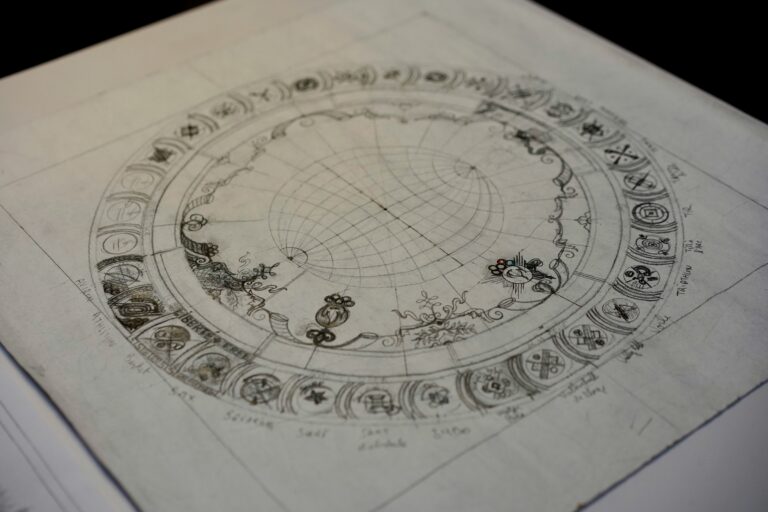
There is a part of you that remains hidden. Not because you are broken or damaged, but because becoming a person requires it. As we grow, we learn which parts of ourselves are welcome and which ones need to disappear. The anger, the desire, the grief, the ambition, the vulnerability: whatever did not fit gets pushed underground. Carl Jung called this the shadow, and shadow work is the process of bringing it back into the light.
This is not a practice of self-improvement in the conventional sense. You are not trying to become a better, more polished version of yourself. You are trying to become more whole, which means reclaiming the parts that were pushed away, understanding why they went there and integrating them into a more honest and complete sense of who you are.
The shadow does not disappear simply because it is ignored. It operates from beneath the surface of awareness, shaping decisions, driving patterns and appearing most clearly in the people and situations that provoke the strongest reactions. Until it is made conscious, it directs the life from the background. Shadow work is how that direction is reclaimed.
Where to Begin
If you are new to shadow work, the place to start is with the basics: what the shadow actually is, how it forms and what practical tools exist for beginning to work with it safely and effectively.
How to Start Shadow Work – A Beginner’s Guide covers the foundational techniques including journaling, trigger observation and body-based practices. It addresses the most common fears about beginning this kind of inner work and offers a realistic picture of what the process actually involves.
The Psychology of the Shadow – Understanding Your Hidden Self goes deeper into the psychological mechanisms through which the shadow operates: projection, self-sabotage, emotional suppression and the way unconscious material shapes daily life. Understanding these mechanisms is what makes shadow work something more than a journaling exercise.
Where the Shadow Forms
The shadow does not form in isolation. It forms in relationship, shaped by the earliest environments we inhabited and the messages we received about which parts of ourselves were acceptable.
Family and the Shadow – Breaking Generational Patterns examines how family systems create shadow material, including the roles children unconsciously adopt and the generational patterns that pass through family lines until someone becomes conscious enough to interrupt them.
Trauma vs. Shadow Work – Understanding the Difference addresses one of the most important distinctions in inner work: the difference between shadow material and unhealed trauma. Understanding which territory you are in determines what approach is actually useful and what level of support the work requires.
Working with Emotions and the Body
The shadow is not only a psychological phenomenon. It lives in the body as stored tension, chronic patterns of physical holding and the suppressed emotional activation that never completed its natural cycle.
Shadow Work and Emotional Healing – Releasing Suppressed Feelings addresses the embodied dimension of shadow work: how suppressed emotions affect the body and nervous system, how to recognize what you are carrying and what genuine emotional release actually looks like in practice.
The Shadow in Relationships
Relationships are the most reliable mirror the shadow has. The patterns that prove most resistant to change in solitary reflection tend to reveal themselves quickly in close relationships, because the shadow formed in relationship and it surfaces most powerfully there.
The Shadow in Relationships – How Hidden Patterns Shape Love and Connection examines projection, repetition compulsion, attachment patterns and the specific dynamics through which unexamined shadow material shapes who we are drawn to and how those connections unfold.
Spiritual Dimensions
Shadow work appears across spiritual traditions under different names and in different symbolic languages. The encounter with what is hidden, avoided and suppressed is not a modern psychological invention. It is the common interior territory of every serious path of transformation.
Spiritual Shadow Work – Facing the Darkness on Your Path examines the relationship between shadow work and spiritual practice, including the particular shadow dynamic known as spiritual bypassing and the way genuine spiritual development requires honest confrontation with what has been suppressed rather than transcendence of it.
Shadow Work in Witchcraft – Harnessing the Power of the Unseen addresses the shadow from within the context of magical practice: how unconscious material affects spellwork, how to work with shadow archetypes and deities and how shadow integration deepens and clarifies magical intention.
Alchemy and the Shadow – The Ancient Map of Inner Transformation traces the oldest symbolic map of shadow work available in the Western tradition. The alchemical stages of Nigredo, Albedo and Rubedo describe the same interior process Jung would later name psychologically: the descent into what has been avoided, the purification that becomes possible afterward and the integration that follows.
Practical Tools
Shadow Work Journaling – Writing Your Way to Self-Understanding provides a complete guide to using writing as a shadow work tool, including specific techniques, an extensive collection of prompts organized by theme and guidance on how to work with resistance and recognize patterns across journal entries over time.
Tarot as a Shadow Work Tool – A Complete Guide to Reading the Unconscious covers how to use tarot specifically for shadow inquiry rather than prediction, including four shadow work spreads, guidance on working with the Major Arcana cards most directly related to shadow material and how to read your own resistance to particular cards as the most useful information in the reading.
Astrology & The Shadow – How Your Birth Chart Reveals Your Hidden Self examines the astrological placements most directly associated with shadow material: Pluto, Chiron, the Moon, Saturn and the Lunar Nodes. Understanding these placements provides a structured map of where unconscious material tends to concentrate and what form the work is likely to take.
The Shadow in Contemporary Life
The Shadow and Social Media – What Your Online Behavior Reveals About You examines how the specific conditions of social media, the performed self, the comparison dynamic, the algorithmic amplification of emotional reactivity and the ease of projection onto strangers, create a particularly concentrated arena for shadow material to operate and how that same environment can be used as a mirror for genuine self-inquiry.
The Nature of the Work
Shadow work is not a project with a completion date. It is an ongoing relationship with the parts of yourself that have been waiting for honest attention. Each cycle of the work brings new material to the surface or brings earlier material to a deeper level of understanding.
The goal is not to eliminate the shadow. It is to develop a conscious relationship with it: to understand what it contains, where it came from and what becomes possible when its energy is integrated rather than suppressed. The qualities most pushed underground are frequently the ones that carry the greatest power. What was once a source of shame or fear becomes, when genuinely integrated, a source of depth, authenticity and genuine self-knowledge.
The work is not comfortable. But it is among the most consequential things a person can undertake.
Photo by Jessica Mangano on Unsplash