
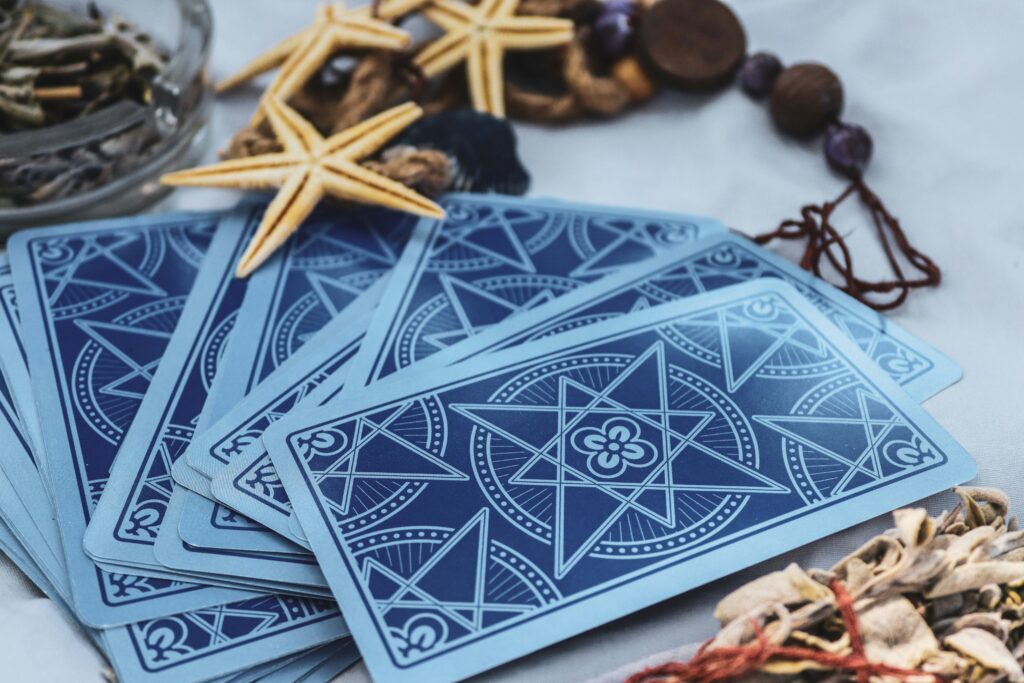
Vera Sibilla Italiana translates to “True Italian Sibyl” – a traditional Italian fortune-telling deck containing 52 cards. The deck portrays everyday Italian life through imagery that depicts people, situations, emotions and events. Italian card readers affectionately call these cards “chiacchierine” which means “little chatterboxes” because the cards tend to reveal information quite directly and sometimes share details beyond what was originally asked.
Where Did Vera Sibilla Come From?
The story of Vera Sibilla begins in 18th century Britain with card games called Conversation Cards created by S. Hooper. These parlor games involved players creating continuous stories using card prompts. During the Napoleonic wars in the late 1700s and early 1800s, these entertainment cards transformed into divination tools across Europe.
The tradition migrated from France into the Austro-Hungarian Empire where similar decks were known as “Zigeuner Karten” (Gypsy Cards). Since Italy was part of the Austro-Hungarian Empire during this period, the practice eventually took root there as well.
Around 1880, the Vera Sibilla deck emerged in Italy, possibly influenced by the popular Petit Lenormand oracle. This timing coincided with Italy’s Risorgimento, the unification movement and the cards became deeply woven into Italian culture. These cards were so culturally significant that Italian women were still bringing their Sibilla decks to Sunday mass for priestly blessings as late as the 1970s.
Can You Use Regular Playing Cards for Vera Sibilla?
Yes, you can absolutely use standard playing cards to practice Vera Sibilla readings! Since the Vera Sibilla system is built on a 52-card structure matching regular playing cards, each Sibilla card corresponds to a specific playing card.
The correlation works as follows:
- Hearts = Cuori (Hearts)
- Clubs = Fiori (Clubs)
- Spades = Picche (Spades)
- Diamonds = Quadri (Diamonds)
Each numbered card (Ace through 10) and court card (Jack, Queen, King) matches its playing card equivalent. For example, the Ace of Hearts in regular playing cards corresponds to “Conversazione” (Conversation) in Vera Sibilla.
To read with playing cards, simply learn which Sibilla meaning corresponds to each playing card position. Many readers write directly on their playing cards using a permanent marker – card name on the face, then brief keywords for upright meaning at the top and reversed meaning at the bottom of the same face. This makes Vera Sibilla very accessible, you don’t need to purchase a special deck to begin practicing.
The Four Suits Explained
Cuori (Hearts) ♥
This suit governs emotions, relationships, love, pleasure, family connections, happiness and affection. Hearts cards show emotional experiences and interpersonal dynamics. When Hearts dominate a reading, emotional matters are at the forefront.
Fiori (Clubs) ♣
Clubs represent action, business, practical affairs, creativity, social connections, learning and progress achieved through effort. This suit shows determination and personal power. A reading heavy in Clubs indicates active development in work or social spheres.
Picche (Spades) ♠
Spades carry more negative weight in Vera Sibilla compared to other systems. This suit involves conflict, obstacles, delays, illness, sadness, aggression and misfortune. However, Spades also indicate mental fortitude and the courage to face challenges. Many Spades in a reading suggest difficulties that require strength to overcome.
Quadri (Diamonds) ♦
Diamonds concern material reality – money, property, career advancement, financial transactions, travel, news and documents. This suit reflects personal magnetism and practical worldly matters. Abundant Diamonds indicate focus on tangible, material concerns.
How Are Vera Sibilla Cards Structured?
Each of the four suits contains 13 cards:
- Ace through 10: Numbered cards with specific situational meanings
- 11 (Jack): Typically a young male figure or helper
- 12 (Queen): Various female figures depending on suit
- 13 (King): Mature male authority figures or major influences
Traditional Vera Sibilla cards display:
- The main illustrated scene
- Italian title of the card
- Suit symbol (C, F, P, Q)
- Playing card number
- Lottery numbers at bottom (reflecting Italian gambling culture)
Complete Card Meanings
CUORI (HEARTS) ♥
Ace – Conversazione (Conversation)
- Upright: Communication, discussions, negotiations, family matters, people living together
- Reversed: Communication breakdown, disputes, arguments, things left unsaid
Two – Casa (House)
- Upright: Home, building, property, family peace, the core of a situation
- Reversed: Home troubles, property issues, structural concerns, family tension
Three – Belvedere (Beautiful View)
- Upright: News arriving soon, anticipation, waiting for something, expectations
- Reversed: News delayed, unwelcome arrivals, unfortunate information coming
Four – Amore (Love)
- Upright: Romantic love, attraction, relationships expanding, advancement
- Reversed: Love ending, unfaithfulness, relationship problems
Five – Allegrezza al Cuore (Joy of Heart)
- Upright: Satisfaction, positive outcomes, engagement, family joy, promises kept
- Reversed: Relationship instability, broken trust, family conflict, obstacles
Six – Denari (Money)
- Upright: Finances, wealth, past situations, known information
- Reversed: Financial troubles, debt, money lost, future matters, unknowns
Seven – Letterato/Artista (Scholar/Artist)
- Upright: Man over 40, educated person, family member, contracts, legal documents
- Reversed: Manipulative person, distorted thinking, obsessive behavior
Eight – Speranza (Hope)
- Upright: Positive expectations, success, romantic prospects, protection, water locations
- Reversed: Disappointment, depression, hope lost, failure
Nine – La Fedeltà (Fidelity)
- Upright: Loyalty in love, emotional commitment, faithfulness, genuine attachment
- Reversed: Betrayal, dishonesty, broken trust, tainted relationships
Ten – La Costanza (Constancy)
- Upright: Long-term stability, goals reached through persistence, hometown, steadfastness
- Reversed: Chaos, anger, violence, destruction, instability
Eleven – L’Amante (Male Lover)
- Upright: Unmarried man 30-45 years old, the male questioner, romantic partner, positive news
- Reversed: Immature man, unfaithful partner, superficial attraction only
Twelve – L’Amante/L’Amatrice (Female Lover)
- Upright: Young unmarried woman, girlfriend, female relative, romantic interest
- Reversed: Unreliable woman, unfocused, lazy tendencies, promiscuity
Thirteen – Gran Signore (Great Gentleman)
- Upright: Married man over 45, father figure, boss, protector, influential person
- Reversed: Authoritarian, unfaithful, controlling, addictive behaviors
FIORI (CLUBS) ♣
Ace – Imeneo (Marriage)
- Upright: Marriage, contracts, partnerships, intimacy, prosperity, fertility
- Reversed: Inheritance, wealth, physical intimacy, money matters
Two – La Superbia (Pride/Peacock)
- Upright: STRONGEST POSITIVE CARD – divine blessing, beauty, improvement, fame, amplifies good cards
- Reversed: Excessive ego, vanity, negative spiritual influences
Three – Viaggio (Travel)
- Upright: Journey, relocation, status change, vehicles, movement, shifting perspectives
- Reversed: Positive transformation, gradual progress, slow but steady movement
Four – L’Amica (Female Friend)
- Upright: Female friend, supportive person, helpful companion, friendly location
- Reversed: Friendly assistance, recommendations, help offered, financial support (positive when reversed)
Five – Fortuna (Fortune)
- Upright: SECOND BEST CARD – excellent luck, success through chance, fortunate circumstances
- Reversed: Success comes slowly, minor luck, delayed fortunate events
Six – Consolante Sorpresa (Consoling Surprise)
- Upright: Unexpected good fortune, easy success, financial increase, gambling wins, TIMING: very soon
- Reversed: Ambition causing problems, downfall, relationship ending from incompatibility
Seven – Gran Consolazione (Great Consolation)
- Upright: Material security, workplace stability, accumulated resources, contentment
- Reversed: Blocked progress, insecurity, anxiety, feeling stuck, humiliation
Eight – La Riunione (Reunion)
- Upright: Reconciliation, past relationships returning, meetings, healing, couples, recovery
- Reversed: Uncertainty, doubtful times, sadness, lacking motivation
Nine – L’Allegria (Cheerfulness)
- Upright: Happiness, celebrations, parties, healing, winnings, joyful gatherings
- Reversed: Addictive behaviors, harmful habits, obstacles, inability to conceive
Ten – La Leggerezza (Levity)
- Upright: Reduces surrounding card meanings, irresponsibility, impulsiveness, carelessness, air element
- Reversed: Small lucky break, gambling, online communication, internet matters
Eleven – Domestico (Servant)
- Upright: Helpful young man, son, coworker, employee, household matters
- Reversed: Unreliable young man, irresponsible behavior, addiction issues
Twelve – Giovine Fanciulla (Young Maiden)
- Upright: Innocent young woman, sincere person, daughter, sister, known female friend
- Reversed: Troubled young woman, laziness, depression, feeling neglected
Thirteen – Dottore (Doctor)
- Upright: Medical professional, health matters, healing needed, advisor, expert
- Reversed: Incorrect diagnosis, ineffective treatment, bad advice, incompetent professional
PICCHE (SPADES) ♠
Ace – Dispiacere (Sorrow)
- Upright: Bad news, sadness, violence, failure
- Reversed: Great effort required, fertility, repeating patterns, childbirth, head ailments
Two – La Vecchia Signora (Old Lady)
- Upright: Woman over 60, older than questioner, grandmother, ex-partner, past situations, wisdom, short journeys
- Reversed: Difficult older woman, arguments, separation, greed, outdated thinking
Three – Il Vedovo (Widower)
- Upright: Man over 60, grandfather, ex-partner, loneliness, widower, bachelor, someone departing
- Reversed: Difficult older man, traumatic loss, sudden departure, mourning
Four – Ammalato (Sick Person)
- Upright: Illness, health problems, depression, stagnation, isolation, unemployment
- Reversed: Severe blockage, confinement, frozen situation, coldness, crisis
Five – Morte (Death)
- Upright: Endings, breakups, actual death, disruption, breaking points, fear
- Reversed: Violent endings, spiritual crisis, profound sadness
Six – Sospiri (Sighs)
- Upright: Anxiety from delays, waiting torture, hope mixed with worry, large vehicles (bus/truck/ship)
- Reversed: Unstable circumstances, fluctuations, explanations given, clarification
Seven – Disgrazia (Misfortune)
- Upright: Damage, accidents, destruction, arguments, surgery
- Reversed: Oppression, helplessness, severe damage, violence
Eight – Disperato per Gelosia (Consumed by Jealousy)
- Upright: Financial crisis, monetary loss, envy, jealousy, tears, negative magic
- Reversed: Emotional breakdown, severe depression, self-harm tendencies, dark influences
Nine – Prigione (Prison)
- Upright: Feeling trapped, obligations, dependency, isolation, friendship lost, pregnancy
- Reversed: Psychological imprisonment, sickness, toxic relationships, fear
Ten – Militare (Soldier)
- Upright: Uniformed person, force, conflict, violence, authority, harsh places, secrets
- Reversed: Hidden matters, insecurity, authority conflicts, nighttime, occult subjects
Eleven – Il Nemico (Male Enemy)
- Upright: Rival, opponent, competitor, hidden matters, substance problems
- Reversed: Open opposition, fierce enemy, mistakes, self-sabotage
Twelve – La Nemica (Female Enemy)
- Upright: Female rival, other woman, competitor, opponent
- Reversed: Malicious woman, spiteful, cruel, dangerous adversary, harmful magic
Thirteen – Sacerdote (Priest)
- Upright: Authority, legal matters, justice system, lawyer, judge, religious figure, emotionally distant
- Reversed: Corrupt authority, legal problems, law working against you, violent official
QUADRI (DIAMONDS) ♦
Ace – Stanza (Room)
- Upright: Private space, confidential talks, intimate meetings, professional office, economic progress, pairs
- Reversed: Secrets exposed, scandals, embarrassing revelations, leaks, financial loss
Two – La Lettera (Letter)
- Upright: Written messages, phone calls, texts, documents, paperwork, cash
- Reversed: Same meaning, also delayed messages, bills, negative communications
Three – Presente di Pietre Preziose (Gift of Precious Stones)
- Upright: Offers, proposals, gifts, luxury items, expensive objects, jewelry, packages
- Reversed: Problems slowly resolving, gradual improvement over time
Four – Falsità (Falsehood)
- Upright: Lies, deception, betrayal, illusions, errors, hidden matters, broken things, curses
- Reversed: Truth emerging, masks falling, hidden schemes revealed, difficulties ending
Five – Malinconia (Melancholy)
- Upright: Temporary sadness, discouragement, minor setbacks, regrets about past
- Reversed: Same meaning plus debts, inability to pay, no money incoming
Six – Il Pensiero (Thought)
- Upright: Mental activity, intentions, personality, intelligence, indecision, mind
- Reversed: Negative thinking, malicious plans, criminal thoughts, subconscious, psychic abilities
Seven – Bambino (Child)
- Upright: Children, pets, domestic animals, innocence, new beginnings, growth, simplicity
- Reversed: Sick child, uncertainty, hesitation, slow progress, underdevelopment
Eight – La Donna di Servizio (Maid)
- Upright: Working woman, female colleague, gifts, favors, progress, development, valuable items
- Reversed: Gossip, backbiting, petty behavior, cheapness, small value, money spent, debts
Nine – I Deliranti (The Madmen)
- Upright: Setbacks, contradictions, inconsistency, overestimating abilities, mob mentality, bad influences
- Reversed: Regression, demotion, relapsing
Ten – Il Ladro (Thief)
- Upright: Theft, loss, deprivation, dishonesty, disadvantage, money troubles
- Reversed: Overwhelming problems, broken agreements, hostile buildings, home disturbances, severe financial issues
Eleven – Messagiere (Messenger)
- Upright: Work or financial news, important messages, mediators, journalists, timing indicator
- Reversed: Delayed messages, obstacle news, gossip, failed mediation
Twelve – Donna Maritata (Married Woman)
- Upright: Married woman with children, mother, wife, maternal energy, long-term partner
- Reversed: Troubled married woman, divorced, bad intentions, poor mother, dishonesty
Thirteen – Mercante (Merchant)
- Upright: Work, employment, career, finances, business
- Reversed: Work problems, money mismanagement, illegal finances, incompetence, lack of skills
Do You Need to Read Vera Sibilla Cards Reversed?
Unlike some oracle systems where reversals are optional, Vera Sibilla MUST be read with both upright and reversed positions. This is a fundamental aspect of the traditional method. The deck essentially contains 104 meanings (52 cards × 2 positions).
Key reversal characteristics:
- Some reversals intensify the upright meaning
- Others completely flip the meaning
- A few become more positive when reversed (like L’Amica/Friend)
- Reversals add crucial nuance to readings
- This distinguishes Vera Sibilla from Lenormand where reversals are optional
How Do You Read Vera Sibilla Cards?
The Conversational Style
Vera Sibilla reads differently from Tarot or Lenormand. Think of the cards as describing concrete reality rather than offering advice. The images indicate broader meaning ranges rather than being literal. These cards describe what IS happening in a situation rather than what SHOULD be done.
Traditional Spread Format
Vera Sibilla is typically read in odd-numbered line spreads: 3, 5, 7, or 9 cards.
The Hinge Method:
- Center card = “hinge” – the question pivots here
- Outer cards = “pillars” or “doorkeepers”
- First read the hinge with the pillars to see if this addresses the question
- If not matching the question, the cards may be discussing something else on the querent’s mind
Three Cards: Can be interpreted as:
- Past/Present/Future
- Morning/Afternoon/Evening (for daily readings)
- A single unified message (often preferred)
Five Cards:
- Position 3 (center) is the hinge
- Positions 1 and 5 are pillars
- Positions 2 and 4 provide context
Reading Techniques
- Combinations: Blend card meanings together as a story
- Suit patterns: Notice which suits dominate
- People cards: Multiple options available for representing the questioner
- Timing: Certain cards indicate when events occur
- Individual readings: Unlike Lenormand, single cards can stand alone as complete messages
How Is Vera Sibilla Different from Other Oracle Systems?
Versus Lenormand
Vera Sibilla has 52 cards compared to Lenormand’s 36. Sibilla meanings are more situational and direct. Reversals are mandatory in Sibilla but optional in Lenormand. Sibilla offers flexible person cards while Lenormand has specific significators. Individual Sibilla cards can be read alone, whereas Lenormand relies heavily on combinations.
Versus Tarot
Vera Sibilla predates modern Tarot reading traditions. Sibilla provides direct, concrete meanings while Tarot works symbolically and archetypally. Sibilla has no Major/Minor Arcana structure. Tarot readings typically involve complex layered interpretations.
Similarities to Kipper
Both systems are situational and direct. Both describe concrete people and events. Both work well with storytelling methods and line spreads.
What Makes Vera Sibilla Special?
The “Chatterbox” Reputation
The nickname “chiacchierine” reflects how these cards:
- Speak freely about situations
- Provide blunt, direct information
- Sometimes answer unasked questions
- Expose actual circumstances without sugar-coating
Historical Cultural Role
- Lottery numbers appeared on cards (reflecting gambling culture)
- Traditional meanings reflect 19th century Italian social structures
- Used across social classes from aristocracy to common households
- Women sought priestly blessings for their decks through the 1970s
Contemporary Practice
Modern readers honor traditional meanings while:
- Adapting outdated social concepts
- Making language more inclusive
- Maintaining core divinatory functions
- Respecting Italian cartomantic heritage
How Do You Start Learning Vera Sibilla?
- Learn suit themes before memorizing individual cards
- Start with three-card spreads before expanding
- Focus on the story cards tell together
- Let cards speak freely rather than forcing specific questions
- Keep reading journals to track accuracy and patterns
- Practice with regular playing cards if you don’t have a Vera Sibilla deck yet
- Honor the tradition while developing personal connection
Understanding Vera Sibilla Today
Vera Sibilla Italiana offers a fascinating window into Italian cartomantic tradition. With 52 cards providing detailed, straightforward insights through both upright and reversed positions, the deck addresses everyday situations, relationships and life events with remarkable specificity.
The cards’ direct nature makes them approachable for beginners while offering experienced readers sophisticated nuance. Whether using traditional Sibilla imagery or regular playing cards, practitioners connect with centuries of Italian divination wisdom that remains remarkably relevant today.
Photo by dilara irem sancar on Unsplash






[…] Vera Sibilla Italiana: Complete Guide to All 52 Cards and Their Meanings […]