New Year’s Eve is a threshold. Midnight on December 31st is one of the few moments in the secular calendar that carries genuine liminal energy: the entire collective consciousness of the culture is oriented, simultaneously, toward what is ending and what is beginning. For a practitioner who works with liminal space and intentional magic, this collective orientation is a resource. You do not have to manufacture the energy. It is already there, generated by millions of people simultaneously holding the same turning point in their attention.
This is why New Year’s Eve rituals work. Not because of superstition or tradition alone but because the moment itself carries an amplified quality that supports releasing, setting intention and calling in what you want to grow. The food traditions, the folk customs and the deliberate magical practices described below all work through the same basic principle: using the threshold energy of the moment to anchor an intention into the year opening ahead.
For practitioners who follow the wheel of the year, Samhain in late October is the witches’ new year, the genuine energetic turning point of the cycle. The Gregorian new year on January 1st is a different kind of threshold: cultural rather than seasonal, powerful through collective attention rather than through astronomical or agricultural position. Both are worth working with. They offer different things.
Why New Year’s Eve Is Magically Significant
The Babylonians began the tradition of structured new year ritual over four thousand years ago with communal feasting and promises to the gods, marking the moment as an occasion for commitment and hope. The Romans celebrated the new year in honor of Janus, the two-faced god who simultaneously looked backward into the past year and forward into the one beginning: the deity of thresholds, doors and transitions. His name is the origin of January. The image of Janus captures exactly what the new year moment is: a position of standing at the boundary between what has been and what is not yet.
What makes December 31st specifically potent is not history but collective focus. When the majority of people in your culture are simultaneously releasing one year and opening to the next, the energetic atmosphere of that transition is thickened by the shared attention. A practitioner who works with that moment deliberately is working with rather than against an enormous current of collective intention.
Cleansing Before the Threshold
The days between Christmas and the new year or between Yule and January 1st, are traditionally treated as a liminal period in many European folk traditions: a time between years, outside ordinary time, when the energy of the old year is dissolving and the new one has not yet taken form. In witchcraft practice this period is ideal for clearing out what you want to leave behind.
Physical clearing mirrors energetic clearing. Clean your home thoroughly in the days before December 31st. Clear clutter from surfaces, open windows to air out stagnant energy and finish any lingering tasks from the year that feel incomplete. In some folk traditions it is considered important to pay off any debts before the new year so that you do not carry them forward. Whether or not that is literally possible, the principle holds: complete what you can, acknowledge what is ending and do not drag what is finished into the opening year.
On December 31st itself, smoke cleanse your space before the evening’s work. Rosemary, sage or cedar smoke clears residual energy and prepares the space as a clean container for the new year’s intention. Work from the back of the home toward the front, directing the smoke out the main entrance.
A salt line across your threshold renewed on December 31st creates a clean energetic boundary as one year gives way to the next. The full approach to salt-based protection and clearing is in Salt in Witchcraft.
The Twelve Grapes at Midnight
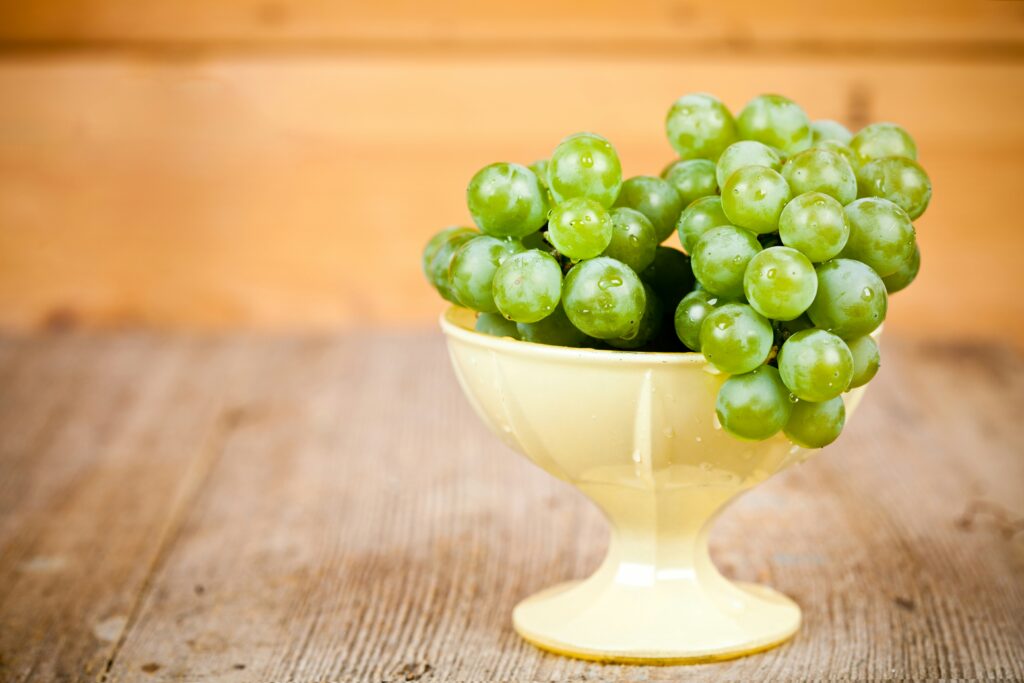
The twelve grapes ritual is one of the most widely practiced new year folk customs in the world. Its origins are layered. The earliest documented version traces to Madrid in the 1880s, when working-class citizens gathered at Puerta del Sol on New Year’s Eve to mock the wealthy elite who had adopted the French custom of eating grapes and drinking champagne at private celebrations. The protest became a tradition. In 1909 the practice was significantly amplified when Alicante grape growers used an exceptionally large surplus harvest to promote the custom commercially, branding their white Aledo grapes as “uvas de la suerte” (lucky grapes) and selling them in packs of twelve. This commercial push turned a regional custom into a national one and the tradition spread throughout Spain and then Latin America.
The ritual is simple: at the exact stroke of midnight, eat twelve grapes, one with each chime of the clock. Each grape corresponds to one month of the coming year. Eating all twelve before the final chime is considered auspicious. Many practitioners assign a specific intention to each grape as they eat it, one for each month in sequence, turning the ritual into a structured intention-setting practice.
Grape color carries optional correspondence. Green grapes are associated with growth and financial abundance. Red grapes bring passion, vitality and love. White grapes represent purity and fresh starts. Seedless grapes are practical because the pace of the ritual is fast. The color matters less than the intention.
The twelve grapes ritual works as a prosperity and luck working because it combines physical action, symbolic correspondence and precise timing with focused intention. All three at once, in the charged atmosphere of the midnight threshold, creates a clean and clear working.
The Lentil Ritual for Prosperity
Lentils have been associated with wealth and financial luck in Italian and Mediterranean folk tradition since Roman times. Their flat, round shape resembles coins, making them a natural symbol of money in sympathetic magic. The modern ritual of throwing lentils at midnight has spread through social media as a participatory and kinetic version of the older association.
At midnight, take a handful of dried lentils and throw them upward over your head while holding a clear intention for financial prosperity in the coming year. Speak the intention aloud as the lentils fall around you. After they land, collect some from the floor, place them in your wallet or a small cloth pouch and keep them there through the year as a portable prosperity anchor.
The lentil color is not traditionally significant in this practice. Use whatever you have. The shape, the action of throwing upward (releasing the intention into the universe) and the collection afterward (receiving it back) create the working. It combines physical gesture with symbolic intention in a way that is both accessible and memorable, which is part of why it travels so well.
Opening Doors at Midnight
The folk practice of opening front and back doors at midnight to let the old year out and the new year in appears across European traditions and has a direct parallel in the witchcraft understanding of thresholds and transitions. You are physically opening the boundary between inside and outside at the exact moment the year turns, creating a literal threshold crossing.
Open both doors simultaneously if possible or the front door at minimum. Stand in the doorway for a moment with the intention of consciously releasing the year that is ending: not only what was difficult but also what was good, because a year genuinely released makes room for what comes next. Then step back inside with equal deliberateness, bringing in the intention you have set for the year beginning.
Following this immediately with a symbolic act of welcome reinforces the intention. A candle lit as you close the door, a glass of water set out in welcome or a coin placed just inside the threshold all serve as physical anchors for the energy you have just invited in.
First-Footing
First-footing is a Scottish and Northern English tradition from Hogmanay, the Scottish new year celebration: the first person to cross the threshold of a home after midnight determines the luck of the household for the coming year. Traditionally a dark-haired man carrying gifts of coal, shortbread, salt, black bun and whisky was considered most auspicious. Each item has specific luck correspondences: coal for warmth, salt for prosperity and preservation, food for abundance, whisky for good cheer.
The underlying magical logic is straightforward: the first thing that enters your home in the new year sets the energetic tone for what follows. Working with this deliberately, you can arrange for the first thing that crosses your threshold to be charged with the specific quality you want the year to carry. Greet a friend or family member with a gift of salt for prosperity, welcome the new year in with a fresh bunch of herbs for growth or step back into your own home after midnight carrying something that represents the abundance you are calling in.
Candle Magic at the New Year
A candle lit at midnight carries your intention into the opening hours of the year. The specifics of the working depend on what you want to call in. White for purification and clarity of the new year’s energy. Green for financial growth and abundance. Gold for material wealth and solar expansion. Silver for lunar connection and intuitive guidance. Blue for peace and clear communication.
Carve a word or symbol into the wax before lighting: a single word capturing the quality you want the year to carry, a prosperity sigil from Sigil Magic: A Complete Practical Guide to Creating and Charging Sigils or a simple intention statement. Light it at midnight and allow it to burn through the first hours of the year.
If you want to work more specifically with candle correspondences and ritual, Candle Magic: A Beginner’s Guide to Candle Colors and Their Meanings covers the full system.
Tarot and Divination at the New Year
The new year threshold is one of the strongest moments for divination outside of Samhain. The collective orientation of millions of people toward the future creates an unusual clarity of information. A year-ahead reading done at or just after midnight tends to be more direct and applicable than the same spread done at other times.
A simple twelve-card spread, one card per month beginning in January, maps the energetic landscape of the year before you have lived it. This reading works best understood as showing you what each month is made of energetically rather than predicting fixed events. The year-ahead tarot spread is covered in detail in Halloween Tarot Reading: How to Read Cards on Samhain Night.
For those who offer professional tarot readings, this is also one of the most requested and valuable readings of the year for clients seeking clarity and direction at the turning point.
Bay Leaf Intention for the Year
Write a single word or phrase on a dried bay leaf that captures your primary intention for the year beginning now. Not a list of goals but the quality you most want the year to embody: abundance, clarity, freedom, love, courage. Hold it in your hand at midnight and feel the intention as present rather than future. Then burn the leaf in a fireproof dish, releasing the intention into the new year as the smoke rises.
The bay leaf burning tradition appears across folk magic in various forms and is consistently effective because it combines written intention, physical object and transformative action in a single gesture.
FAQ
When exactly should I perform new year rituals?
The midnight threshold is the peak moment for new year magical work because the collective energy is most concentrated there. That said, the first day of January carries the same opening energy throughout. If midnight is impractical, a morning ritual on January 1st before the day’s ordinary activity begins works well. Some practitioners also work in the days between Christmas and the new year as a preparation and clearing period, reserving January 1st itself for the fresh-start workings.
Do I need to do all of these or choose one?
Choose what resonates. A single ritual performed with genuine intention and full attention is more effective than six performed perfunctorily. The twelve grapes and a candle at midnight is a complete working. So is the bay leaf alone. Complexity does not produce better results than clarity.
Can I combine new year rituals with other people who are not practitioners?
Yes. Most of these practices are embedded in folk traditions that non-practitioners already participate in without necessarily understanding them as magical. Eating twelve grapes or throwing lentils at midnight works as a shared ritual regardless of everyone’s belief system. The threshold crossing, first-footing and bay leaf practices can be framed in secular language if needed. The collective attention of a group toward the same intention amplifies the working whether or not every participant identifies the act as magic.
What if I fall asleep before midnight?
Set an intention before you sleep and the working will carry through regardless. The midnight moment is amplified but not required. A brief ritual on waking on January 1st, even just opening a window and speaking your intention for the year aloud, creates the same threshold crossing outside the specific clock moment. The intention is the active ingredient. The timing is the amplifier.
Is there anything to avoid on New Year’s Day?
Several folk traditions suggest treating January 1st as a day whose energy sets the tone for what follows: avoid arguments, do not clean house (you will sweep the luck out), do not take anything out of the home before something comes in. These are optional frameworks rather than rules. The underlying principle, that how you spend the first day shapes the quality of what follows, is a useful one regardless of the specific customs you observe.
Photo by Maria Kovalets on Unsplash