During the darkest days of the year, the sun retreats almost entirely, leaving the world in prolonged shadow. In this context, fire takes on a role that is both practical and profoundly magical. It is not merely a substitute for sunlight or a symbol of light, it is an independent force that carries its own energy. Working with fire at this time requires awareness of its power, respect for its subtle influence and an understanding of the season’s inherent stillness. Fire in the midwinter is patient, introspective and protective, rather than expansive or transformative.
Why Has Fire Been Celebrated During the Darkest Time of the Year?
Fire has long been central to human life during the coldest, darkest months. Historically, its importance was primarily practical:
- It provided warmth in freezing conditions.
- It allowed food to be cooked when daylight hours were minimal.
- It acted as a communal gathering point, fostering safety and connection.
Spiritually, fire carried deeper meanings:
- Flames marked the boundary between the living and the dead.
- Smoke and embers were seen as messengers to unseen realms.
- Fire’s light revealed what was close and hidden what was distant, teaching practitioners about limits and perspective.
Celebrating fire at this time is not about joy or festivity alone; it is about acknowledging survival, continuity, and the invisible threads of energy that sustain life through darkness.
How Does Winter Fire Differ from Summer Fire in Magic?
Fire is not a singular force, it shifts with the seasons. Midwinter fire differs from summer fire in several key ways:
- Energy: Winter fire is conserving and protective, while summer fire spreads, transforms and accelerates growth.
- Purpose: Winter fire maintains, preserves and sustains what is essential; summer fire encourages new beginnings and rapid change.
- Focus: The practitioner’s attention in winter is inward, contemplative and careful; in summer, it can be expansive and outward-facing.
Understanding these differences is crucial. Working with fire incorrectly during the wrong season can feel heavy, unproductive or even destabilizing. Winter fire teaches patience, the value of restraint and the importance of observing subtle shifts in energy rather than forcing outcomes.
What Are Practical Ways to Work with Fire Magic in the Darkest Days?
Fire magic at midwinter does not rely on large-scale rituals or dramatic effects. Some practical approaches include:
- Single-flame focus: Direct all intention toward one flame at a time.
- Silent observation: Watch the flame without speaking or manipulating it; let it reveal what is essential.
- Ember respect: Honor the embers before lighting a new fire, acknowledging what has been preserved.
- Boundary use: Treat fire as a marker or guardian, not as a tool for forcing change.
These methods encourage reflection and mindful engagement, aligning with the quiet energy of the season. Practitioners often find that subtle, deliberate work during midwinter is more effective than any attempt at spectacle.
How Does Yule Relate to Fire Magic Without Being the Main Focus?
Yule is traditionally a turning point in the year, marking the moment when light begins to return, but it is not the pinnacle of fire magic. During this time:
- Flames are kept low and protected.
- The energy of past efforts and preserved intentions is carried forward.
- The focus is on sustaining rather than creating anew.
In this context, Yule emphasizes the continuity of magical practice and the careful nurturing of energy, rather than immediate results or bright displays. Fire at Yule embodies patience, stability and awareness of cycles.
Why Can Fire Magic Feel Contradictory During This Season?
Many modern spiritual approaches project the expansive, fast-moving energy of summer fire onto midwinter, expecting quick outcomes or noticeable transformation. Fire in the darkest season resists this impulse:
- Its energy feels slower and heavier, guiding practitioners toward introspection.
- Attempts to accelerate change often meet resistance, teaching the value of patience.
- It encourages reflection, protection, and preservation, rather than action or expansion.
Engaging with fire in midwinter may seem contradictory at first. The flame is alive, yet restrained; powerful, yet subtle. It asks the practitioner to slow down, observe, and honor the rhythm of the season before seeking new growth.
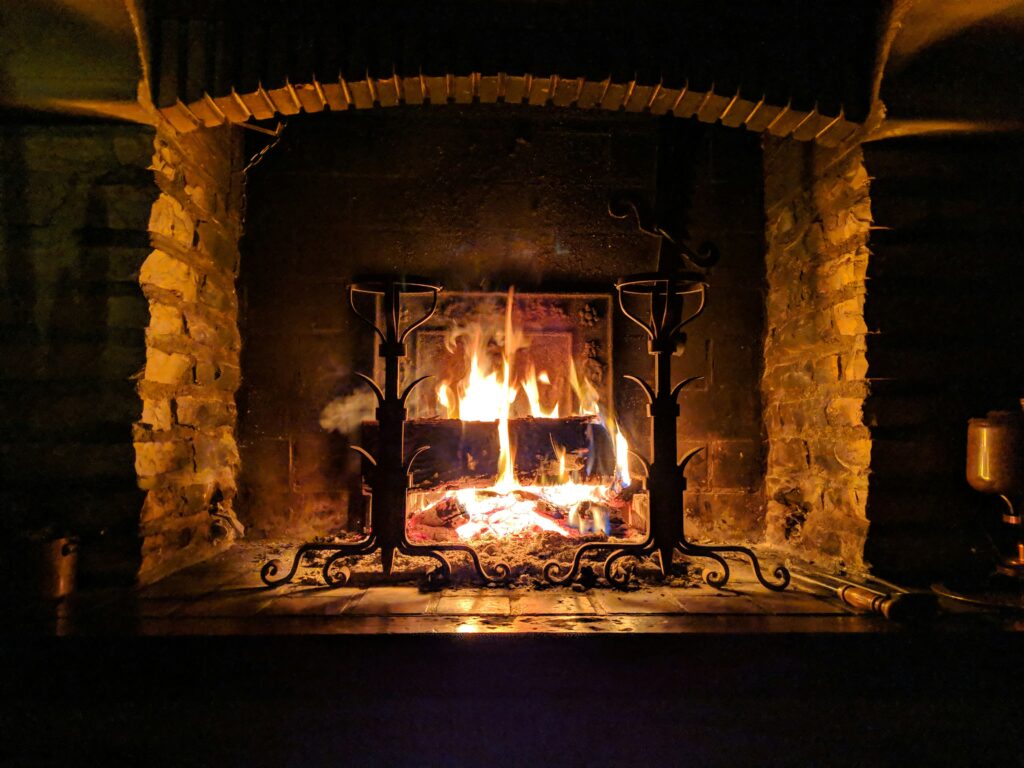
Photo by Stéphane Juban on Unsplash