Every sign in Vedic astrology has a ruling planet. That planet, called the chart ruler or Lagna lord, becomes one of the most important placements in your entire birth chart. Understanding which planet rules which sign is the foundation of reading any Vedic chart with real depth.
This guide covers all nine Vedic planets, the signs they rule and what that means in practice.
What Is a Planetary Ruler in Vedic Astrology?
Each of the twelve zodiac signs is governed by a planet. That planet carries the energy of the sign and acts as its representative throughout the chart. When a planet rules your Lagna, the first house, it becomes the ruler of your entire chart and its placement tells you a great deal about how your life unfolds.
In Vedic astrology nine planets are used: the Sun, Moon, Mars, Mercury, Jupiter, Venus, Saturn and the two lunar nodes Rahu and Ketu. Unlike Western astrology, Vedic astrology does not use Uranus, Neptune or Pluto as chart rulers. Rahu and Ketu do not rule signs in the classical system and are therefore not included in the rulership table.
Planetary Rulers at a Glance
| Planet | Rules | Key themes |
|---|---|---|
| ☉ Sun | Leo | Identity, authority, vitality |
| ☽ Moon | Cancer | Mind, emotions, mother |
| ♂ Mars | Aries, Scorpio | Drive, courage, conflict |
| ☿ Mercury | Gemini, Virgo | Intellect, communication, business |
| ♃ Jupiter | Sagittarius, Pisces | Wisdom, expansion, fortune |
| ♀ Venus | Taurus, Libra | Love, beauty, wealth |
| ♄ Saturn | Capricorn, Aquarius | Karma, discipline, structure |
The Seven Planetary Rulers
☉ Sun — Ruler of Leo
The Sun rules Leo and represents the soul, identity and life force. In Vedic astrology the Sun is called Surya and is considered the king of the planets.
When the Sun rules your Lagna, meaning you have a Leo ascendant, themes of leadership, visibility and self-expression run through your entire life. The Sun wants to shine and be seen. Its placement in your chart shows where your deepest sense of self is expressed and where you seek recognition.
A well-placed Sun gives confidence, authority and strong vitality. A challenged Sun can bring ego struggles, issues with father figures or difficulty asserting oneself.
☽ Moon — Ruler of Cancer
The Moon rules Cancer and represents the mind, emotions and the quality of inner experience. In Vedic astrology the Moon is called Chandra and holds enormous importance, often considered as significant as the Lagna itself.
Cancer ascendants carry a deeply feeling, nurturing and home-oriented energy through their lives. The Moon changes signs every two and a half days making it the fastest moving planet in the chart and the most sensitive indicator of day-to-day experience.
The Moon’s placement and its Nakshatra reveal how the mind processes emotion, how the person relates to their mother and how they find a sense of safety and belonging.
♂ Mars — Ruler of Aries and Scorpio
Mars rules two signs: Aries and Scorpio. In Vedic astrology Mars is called Mangal or Kuja and represents energy, courage, ambition and the capacity to act.
Aries is Mars in its direct, outward expression: bold, fast-moving and driven. Scorpio is Mars in its hidden form: intense, investigative and transformative. Both Lagna types share a fundamental need for challenge and a powerful will.
Mars rules the first and eighth houses from Aries, making Aries ascendants particularly connected to themes of self, body and transformation. For Scorpio ascendants Mars rules the first and sixth houses, linking identity with themes of health, enemies and overcoming obstacles.
A strong Mars in the chart gives decisive action and physical courage. A weak or afflicted Mars can bring impulsiveness, accidents or conflict.
☿ Mercury — Ruler of Gemini and Virgo
Mercury rules Gemini and Virgo. In Vedic astrology Mercury is called Budha and governs intelligence, communication, analytical thinking and commerce.
Gemini is Mercury’s airy, social and communicative expression while Virgo is its precise, detail-oriented and service-driven side. Both ascendant types share a quick and adaptable mind.
Mercury is the planet of learning and business. Its placement in the chart shows how the person thinks, communicates and earns. Mercury also governs younger siblings, short journeys and the hands.
Mercury is considered a neutral planet in Vedic astrology, meaning it tends to take on the qualities of whatever planets it associates with in the chart.
♃ Jupiter — Ruler of Sagittarius and Pisces
Jupiter rules Sagittarius and Pisces. In Vedic astrology Jupiter is called Guru or Brihaspati and is considered the most benefic planet in the system.
Sagittarius is Jupiter’s fiery, philosophical and expansive expression, drawn toward higher learning, travel and teaching. Pisces is Jupiter’s watery, intuitive and spiritual form, oriented toward compassion, surrender and the unseen.
Jupiter represents wisdom, dharma, children, teachers and good fortune. A well-placed Jupiter in the chart tends to protect and expand whatever house it occupies or aspects. Jupiter Mahadasha is often one of the most fortunate periods in a person’s life.
♀ Venus — Ruler of Taurus and Libra
Venus rules Taurus and Libra. In Vedic astrology Venus is called Shukra and governs love, beauty, pleasure, wealth and the arts.
Taurus is Venus in its sensory, material and grounded form, drawn toward comfort, beauty and the accumulation of beautiful things. Libra is Venus in its relational, aesthetic and harmonizing form, focused on partnership and balance.
Venus represents romantic relationships, creative talent, luxury and the quality of enjoyment in life. For male charts Venus also indicates the nature of romantic partners. Venus Mahadasha, lasting twenty years, is often a period of significant creative and relational flourishing.
♄ Saturn — Ruler of Capricorn and Aquarius
Saturn rules Capricorn and Aquarius. In Vedic astrology Saturn is called Shani and is the most karmic planet in the system.
Capricorn is Saturn’s structured, disciplined and achievement-oriented expression. Aquarius is Saturn’s collective, reforming and unconventional side. Both ascendant types carry themes of hard work, responsibility and long-term building.
Saturn is the great teacher. It rules time, limitation, discipline and the consequences of past actions. A well-placed Saturn in the chart gives patience, perseverance and the ability to build lasting things. A challenging Saturn brings delays, obstacles and the need to earn everything through sustained effort.
Saturn Mahadasha, lasting nineteen years, is often the most demanding but also the most structuring period of a person’s life. What is built during this time tends to last.
Why Your Chart Ruler Matters
When you know your Lagna, you know which planet rules your chart. That planet’s sign, house and overall condition in your chart becomes a primary lens for understanding your life’s direction.
If your chart ruler is well-placed in a strong house and sign, it supports the themes of your Lagna. If it is in a difficult house or poorly aspected, those challenges ripple through the entire chart. This is why two people with the same Lagna can have very different experiences: the chart ruler tells the rest of the story.
Finding your chart ruler is the second step in reading a Vedic chart, right after identifying your Lagna. Once you have both, you begin to see the chart as a unified whole rather than a collection of separate placements.
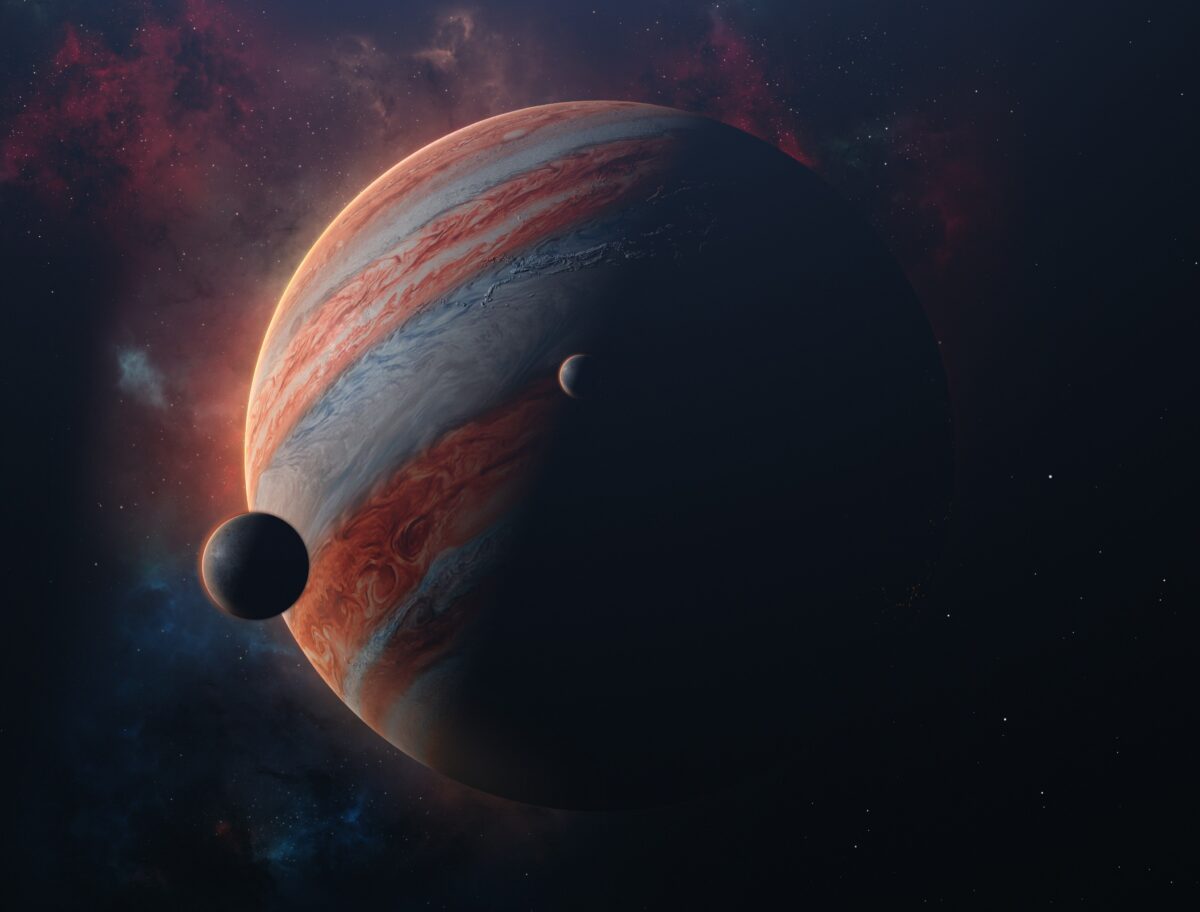
Photo by Javier Miranda on Unsplash