Shamanism represents one of humanity’s oldest spiritual practices, stretching back tens of thousands of years across virtually every continent. This ancient tradition involves practitioners who enter altered states of consciousness to interact with the spirit world, seeking knowledge, healing and guidance for their communities. Far from being a single unified religion, shamanism encompasses diverse practices that have evolved independently across cultures, each shaped by local traditions, beliefs and environmental contexts.
What Are the Different Types of Shamanism Around the World?
Shamanic traditions vary dramatically across geographical regions, reflecting the unique cultural landscapes from which they emerged.
Siberian and Mongolian Shamanism forms the foundation from which the term “shaman” originates. The word itself derives from the Tungusic “šaman,” and these traditions emphasize direct spirit contact through dramatic rituals involving drumming, dancing and elaborate costumes. Practitioners journey to upper and lower worlds to retrieve souls, communicate with ancestors and maintain cosmic balance.
Native American Shamanism encompasses hundreds of distinct tribal practices across North and South America. These traditions often focus on animal spirits, vision quests and the use of sacred plant medicines. The medicine man or woman serves as healer, counselor and spiritual leader, maintaining harmony between the human and natural worlds. Each tribe developed unique ceremonial practices, from the sweat lodges of Plains tribes to the ayahuasca ceremonies of Amazonian peoples.
African Traditional Healing includes shamanic elements within broader spiritual systems. Practitioners known as sangomas in Southern Africa or marabouts in West Africa combine herbalism, divination and spirit mediation. Ancestor veneration plays a central role, with healers serving as bridges between the living and the deceased.
Korean Shamanism (Mudang) features predominantly female practitioners who perform elaborate ceremonies called gut. These rituals involve colorful costumes, dancing and communication with spirits to address family problems, illness and misfortune. Korean shamanism has survived despite centuries of suppression, adapting to modern contexts.
Sami Noaidi Traditions from the Arctic regions of Scandinavia utilized sacred drums decorated with cosmological symbols. These practitioners journeyed to spirit realms to ensure successful hunts, predict weather and heal community members. Much of this knowledge was lost during Christian conversion, though revival efforts continue today.
Himalayan and Tibetan Practices blend shamanic elements with Buddhist philosophy. Jhankris in Nepal and bön practitioners in Tibet perform rituals involving spirit possession, divination and healing through both spiritual and herbal means.
Australian Aboriginal Clever Men work within the framework of the Dreamtime, accessing ancestral knowledge through trance states and maintaining spiritual connections to country. Their practices emphasize the inseparable link between land, spirit and community.
Southeast Asian Spirit Mediums in countries like Thailand, Vietnam and the Philippines enter trance states to allow spirits to speak through them, providing guidance and healing. These practices often incorporate elements of Buddhism, Hinduism and indigenous beliefs.
What Are the Various Names for Shamanic Practitioners?
Different cultures have developed their own terms for shamanic practitioners, each carrying specific cultural meanings and connotations.
The term shaman itself comes from the Evenki people of Siberia but has become a catch-all term in academic and popular discourse. However, indigenous communities often prefer their own traditional names, which more accurately reflect the specific roles and responsibilities within their cultural contexts.
Medicine man or medicine woman appears commonly in North American indigenous contexts, emphasizing the healing aspects of the role. Curandero and curandera in Latin America similarly focus on healing but incorporate Spanish colonial influences.
Völva and seiðr practitioners in Norse traditions specialized in prophecy and magic. Druids in Celtic societies combined priestly, judicial and healing functions. Witch doctor emerged as a colonial term, often carrying negative connotations, though some practitioners have reclaimed it.
Sorcerer and magician emphasize the manipulation of spiritual forces, while oracle focuses on divinatory abilities. Healer provides a more general term that encompasses the therapeutic aspects without necessarily implying spirit work.
Terms like prophet, seer and visionary highlight the revelatory aspects of shamanic work. Wise woman or wise man acknowledges the accumulation of spiritual and practical knowledge.
Some cultures distinguish between different types of practitioners. For example, Mongolian traditions differentiate between white shamans who work with celestial spirits and black shamans who work with earthly and underworld spirits, without the moral implications these colors might suggest in Western contexts.
How Does Shamanism Differ from Witchcraft?
While shamanism and witchcraft share some superficial similarities, they represent distinct spiritual practices with different goals, methods and cultural contexts. Understanding these differences helps clarify both traditions and prevents conflation of separate spiritual systems.
Primary Purpose and Role: Shamanism centers on community service. The shaman acts as an intermediary between the spirit world and the human community, performing healing rituals, divination and soul retrieval for others. Their practice fundamentally serves the collective good. Witchcraft, particularly in European traditions, often focuses more on personal empowerment and individual spiritual development. Practitioners may work spells for themselves and others, but the practice does not inherently require community service or recognition.
Altered States of Consciousness: Shamanic practice relies heavily on ecstatic trance states achieved through drumming, dancing, fasting and sometimes entheogenic substances. The shaman consciously journeys to spirit realms while maintaining enough awareness to return and report their experiences. Witchcraft may involve altered states through meditation and ritual, but ecstatic trance and spirit journeying are not defining features of the practice.
Spirit Relationships: Shamans typically work with helping spirits including power animals, ancestors and spirit guides who assist in healing and divination. These relationships form the core of shamanic power. Witchcraft traditions vary more widely, with some practitioners working with deities, nature spirits and the elements, while others focus primarily on energy manipulation and spell work without necessarily engaging spirit entities.
Cultural Context: Shamanism develops within specific indigenous cultures as an integrated part of the community’s spiritual and healing system. The role is often hereditary and requires recognition from both spirits and community members. Witchcraft in European contexts emerged from folk magic traditions, later influenced by ceremonial magic and modern revival movements. It can be practiced individually without community sanction.
Training and Initiation: Shamanic initiation typically begins with a calling from spirits, which may manifest as illness, visions and psychological crisis. However, the spirits’ call alone does not make someone a shaman. The individual must then undergo rigorous training with experienced shamans, survive initiatory ordeals and ultimately gain recognition from their community. The community observes the apprentice’s development and effectiveness before accepting them as a legitimate shaman. This communal validation is essential because the shaman’s role exists to serve the collective. Witchcraft training can be self-taught, learned from books and online resources, though some traditions maintain lineage-based teaching.
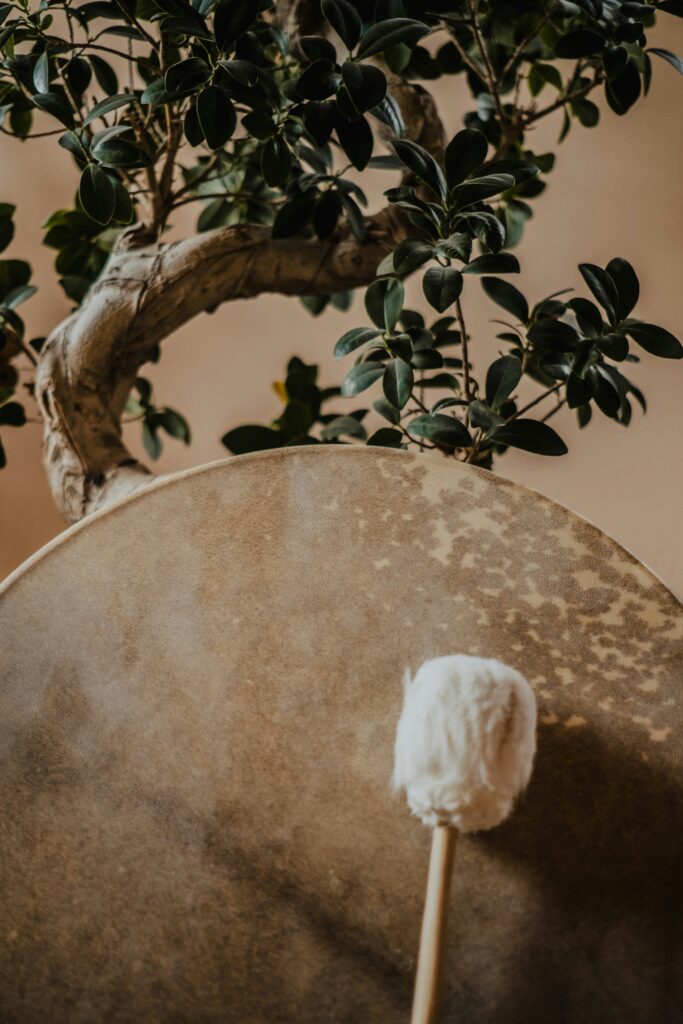
Tools and Methods: Shamans typically use drums, rattles, sacred smoke and sometimes entheogens to facilitate journeying. Their primary tool is the drum, which provides the sonic driving for trance states. Witches use a broader array of tools including wands, athames, candles, herbs and crystals for spell work and ritual. The focus is often on manipulating energy rather than journeying to spirit realms.
Cosmology: Shamanic cosmology generally features three worlds: the upper world of celestial spirits, the middle world of everyday reality and nature spirits, and the lower world of power animals and ancestral wisdom. Movement between these realms forms the basis of shamanic work. Witchcraft cosmologies vary more widely, from duotheistic (god and goddess) to polytheistic to animistic frameworks, without necessarily including the three-world journey structure.
Healing Approaches: Shamanic healing addresses soul loss, spirit intrusion and power loss through journeying to retrieve lost soul parts and remove harmful spirits or energies. The shaman acts as a psychopomp, guiding lost souls and restoring spiritual wholeness. Witchcraft healing may involve herbal remedies, energy work, spell casting and charm making, but typically does not include soul retrieval and spirit extraction as core practices.
Social Recognition: A person becomes a shaman through a three-fold process: the calling from spirits, training with established practitioners and crucially, acceptance by the community. The community must witness the shaman’s abilities and deem them effective before granting them legitimacy and authority. This social contract creates accountability because the shaman serves at the community’s behest. If a shaman proves ineffective and harmful, the community can withdraw recognition. The title carries significant weight and responsibility within the cultural context, unlike individual spiritual practices. Someone may identify as a witch based on their personal practice and beliefs without requiring external validation or community appointment.
Understanding Both Paths
Both shamanism and witchcraft represent valid spiritual paths that have served humanity for millennia. Shamanism offers a structured approach to spirit world interaction focused on community healing and maintaining balance between worlds. Its practices remain embedded in specific cultural contexts, even as core techniques have been adapted by practitioners worldwide. Witchcraft provides diverse frameworks for personal spiritual empowerment and magical practice, drawing from various folk traditions and continually evolving through practitioner innovation.
Understanding these distinctions enriches appreciation for both traditions while respecting their unique characteristics and cultural origins. Modern practitioners may find elements of both paths valuable, integrating techniques that resonate with their spiritual goals while honoring the cultural contexts from which these practices emerged. Whether drawn to the shamanic journey or the witch’s craft, approaching these traditions with respect, humility and willingness to learn ensures their wisdom continues to benefit seekers for generations to come.
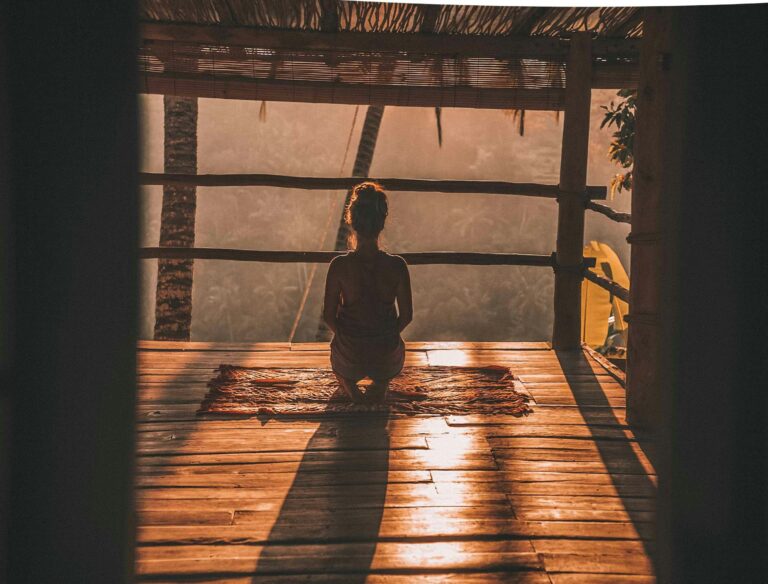
Photo by Tamas Sandor on Unsplash