Fennel (Foeniculum vulgare) has been used in European folk magic since antiquity. In ancient Greece and Rome, it symbolized strength, victory and protection. It was hung above doorways to ward off harmful forces, carried for courage and brewed to support vitality and clarity.
In witchcraft, fennel is valued for its bright, empowering energy. It is used in rituals that strengthen personal will, clear stagnant energy and protect the practitioner from negativity.
What Magical Properties Does Fennel Have?
Fennel is a strengthening herb in witchcraft, known for its protective, energizing and purifying qualities. It is used in several distinct magical contexts:
- Courage – Supports bravery, confidence and decisive action. Used in rituals for inner strength and overcoming fear.
- Vitality – Boosts energy, motivation and physical resilience. Included in workings for stamina and renewed power.
- Protection – Shields against harmful influences and negativity. Used in warding spells and personal boundary work.
- Purification – Clears stagnant or heavy energy. Used to refresh the spirit and restore clarity.
- Strength – Enhances personal power and determination. Used in spells for endurance and assertiveness.
- Energetic cleansing – Removes emotional heaviness and supports fresh beginnings.
- Willpower – Strengthens resolve and focus. Used in rituals for discipline and long‑term goals.
Its energy is bright, warm and empowering; ideal for rituals that require strength, clarity and protective force.
Where Is Fennel Grown and Can You Grow It Yourself?
Fennel is native to the Mediterranean but is now grown worldwide.
- Outdoors: Prefers full sun and well‑drained soil; grows tall and aromatic.
- Indoors: Can be grown in containers with strong light, though it prefers open space.
- Availability: Seeds and dried herb are widely available in grocery stores, herb shops and online.
Fennel is easy to cultivate and harvest, making it a reliable magical herb.
What Should You Know About Handling Fennel for Magic?
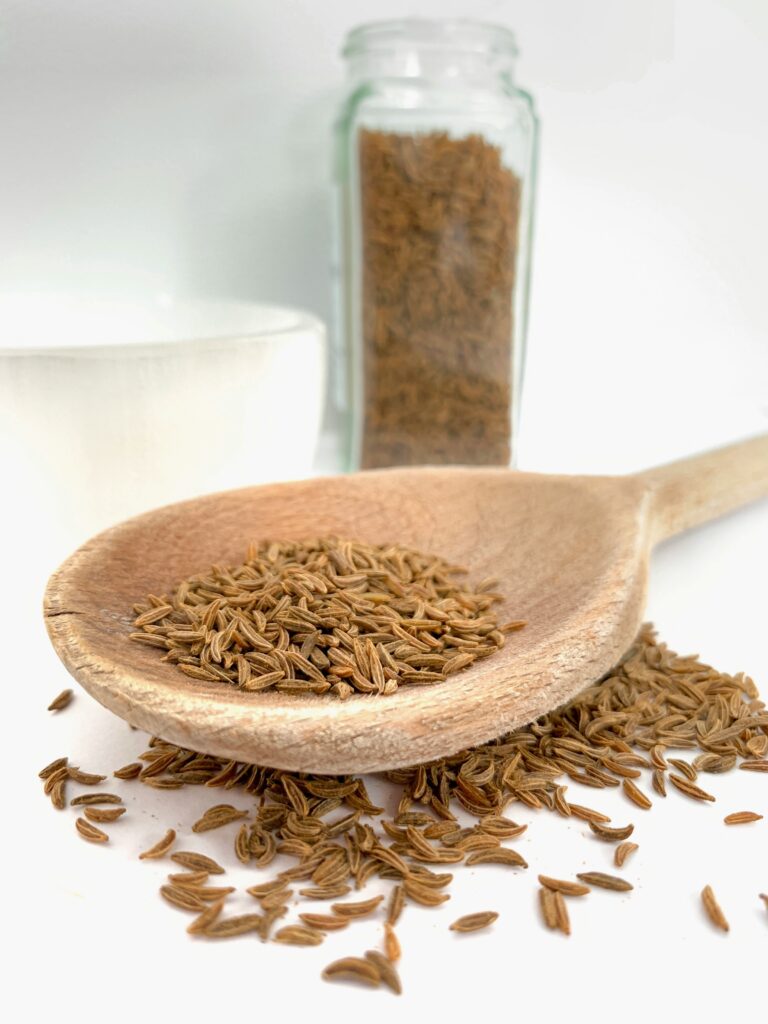
- Parts used: Seeds, leaves and sometimes the root.
- Drying: Seeds dry naturally; leaves can be air‑dried in a shaded place.
- Storage: Keep in airtight containers away from moisture and sunlight.
- Caution: Strong aroma; store separately from delicate herbs.
Photo by Katrina Wright on Unsplash