
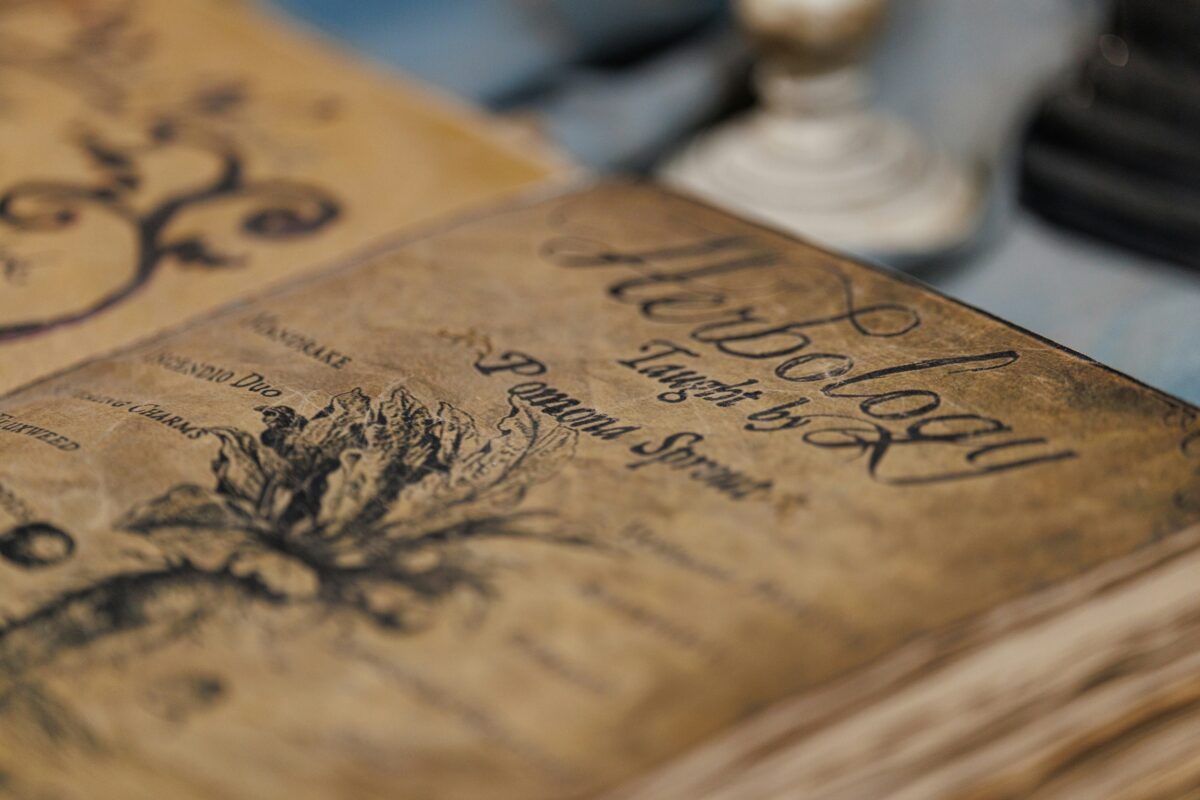
A grimoire is one of the oldest magical tools in existence. The word itself comes from the Old French grammaire, meaning a book of grammar or learning, and the earliest grimoires were manuscripts of magical instruction passed between practitioners in medieval and Renaissance Europe. The Key of Solomon, the Picatrix and the Lesser Key of Solomon are among the most famous examples, dense texts filled with planetary seals, ritual instructions and spirit hierarchies.
Today the tradition continues in a much more personal form. Creating your own grimoire, Book of Shadows or spellbook is one of the most meaningful things you can do in a magical practice. It is not just a notebook. It becomes a living record of your path, a mirror of where you have been and a map of where you are going.
There is no single correct way to make one and that is the point.
Grimoire, Book of Shadows or Spellbook: What Is the Difference?
These three terms are often used interchangeably but they carry slightly different traditions behind them.
A grimoire is typically structured and technique-focused. It records spells, rituals, correspondences and magical methods in a form that could theoretically be used by another practitioner. Historical grimoires were written with this in mind, as transmissible magical knowledge.
A Book of Shadows is more personal and reflective. The term was popularized by Gerald Gardner in the mid-20th century as part of the Wiccan tradition, where it referred to a witch’s personal ritual record kept private and sometimes destroyed after death. It tends to include journaling, spiritual insights, dreams and the inner dimensions of practice alongside the practical.
A spellbook is a looser general term that can refer to either or both.
Many practitioners blend all three into a single book that serves multiple purposes or divide their practice across several volumes. Neither approach is more correct than the other.
What to Include in Your Grimoire
Your magical book can contain anything that supports your practice. The most common sections across different traditions include:
- Spells and rituals: Instructions, ingredients, timing and outcomes. Recording what you actually did and what happened afterward is more valuable than copying spells from other sources.
- Correspondences: Colors, herbs, crystals, moon phases, planetary hours and any other symbolic systems you work with regularly.
- Seasonal celebrations: Sabbats, solstices, equinoxes and personal ceremonies that mark the turning of your year.
- Tools and techniques: Candle magic, sigils, divination methods, altar setups and any other practices that form part of your regular work.
- Reflections and journaling: Dreams, emotional insights, observations about what is working and what is not.
- Ethical guidelines: Your personal code, intentions and any boundaries you have set for your practice.
You do not need to include everything at once. Start with what feels most relevant now and let the book grow with you over time. A grimoire begun five years ago and added to slowly is far more powerful than a perfectly organized book that was never used.
Can You Have More Than One Magical Book?
Absolutely. Many practitioners keep multiple books with different focuses:
- A ritual book for formal ceremonies and structured workings
- A dream journal kept by the bed for immediate morning recording
- An herbal grimoire focused specifically on plant magic and remedies
- A shadow book for emotional work, healing and inner exploration
- A reference codex for correspondences and theory
Dividing your content this way keeps things organized especially if your practice spans different traditions or techniques. It also means each book can be sized and formatted for its specific purpose rather than trying to fit everything into one volume.
How to Organize Your Spellbook
There is no fixed format. The system that makes you want to open the book regularly is the right one. Common approaches include:
- Chronological: Entries added in the order they happen, letting the book develop as a journal of your practice over time.
- Thematic: Sections divided by topic such as moon magic, protection, love, divination and seasonal work.
- Seasonal: Organized by the Wheel of the Year or lunar cycles, treating the book as a record of living in rhythm with natural time.
- Modular: Using tabs, folders or a binder system so pages can be reorganized as your practice evolves.
Some practitioners fill their books with pressed plants, original artwork and hand-lettered pages. Others keep it clean and functional with minimal decoration. Both approaches work. What matters is that the format reflects who you actually are rather than who you think a witch is supposed to be.
What Materials Do You Need
Less than you think. The most important thing is that you start.
A simple blank notebook or sketchbook is enough to begin. A binder works well if you prefer the flexibility of rearranging pages. Any pen that feels good to write with is the right pen. Beyond that, stickers, washi tape, pressed herbs, envelopes for loose materials and bookmarks can all be added as the practice develops.
Digital grimoires are equally valid and popular for good reasons. Apps, private blogs, cloud folders and note-taking software like Notion or Obsidian all work well. Digital formats make searching and reorganizing easy and allow for embedded images and links. Some practitioners keep both: a digital system for reference and research and a handwritten book for ritual work and personal reflection.
The format does not define the practice. Consistency and genuine intention do.
Starting Your Grimoire
The most common obstacle is the feeling that you need to get it right before you begin. The blank first page of a beautiful notebook can feel paralyzing precisely because it feels important.
Start imperfectly. Write in pencil if that helps. Use a cheap notebook for the first year and transfer what matters to something better later. Copy a correspondence table that you actually use. Record the first ritual you actually perform even if it felt awkward and incomplete. Write down a dream. Note what the moon phase was when something unexpected happened.
A grimoire that is messy, personal and actually used is infinitely more valuable than one that stays pristine and empty because you were waiting to be ready.
Your book does not need to be perfect. It needs to be honest. Start where you are. Add what matters. Let it evolve.
Photo by Alexandr Popadin on Unsplash







[…] Creating Your Own Grimoire or Book of Shadows […]
[…] share a quality of dissolving quickly when not immediately captured. A dedicated section of your grimoire or book of shadows is useful for […]