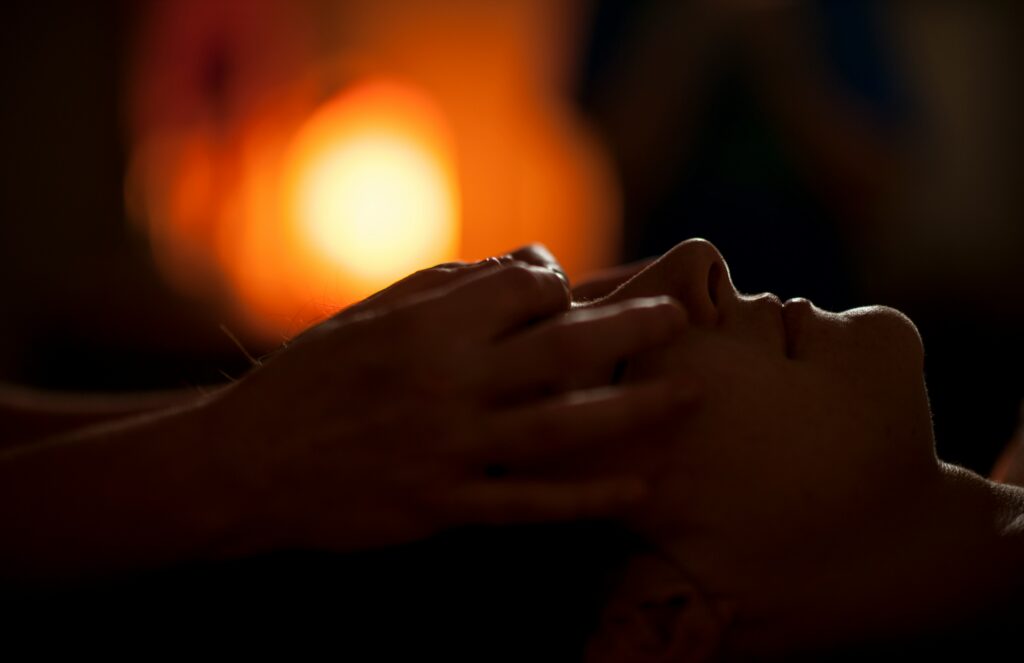
Energy healing represents a diverse collection of therapeutic practices based on the concept that the human body possesses an intrinsic energy field that can be manipulated to promote physical and emotional wellbeing. Practitioners believe that blockages and imbalances in this energy field contribute to illness and that restoring proper energy flow can facilitate healing.
These practices have existed across cultures for thousands of years under various names and forms. While modern medicine focuses primarily on biochemical processes, energy healing traditions emphasize subtle forces that cannot be measured by conventional scientific instruments. Despite the lack of empirical validation through controlled studies, millions of people worldwide continue to seek energy healing treatments as complementary approaches to conventional healthcare.
Historical Background
Energy healing concepts appear throughout recorded history in multiple civilizations. Traditional Chinese Medicine, which dates back over 2,500 years, centers on the concept of qi (or chi), the vital life force that flows through meridians in the body. When qi becomes blocked and stagnant, practitioners believe illness results. Acupuncture and qigong developed as methods to restore proper qi flow.
Similarly, ancient Indian Ayurvedic traditions recognize prana as the universal life energy. Yoga and pranayama breathing exercises were developed to cultivate and direct this energy through chakras, which are believed to be energy centers aligned along the spine. These concepts influenced many modern energy healing practices.
In Japan, the practice of Reiki emerged in the early 20th century when Mikao Usui reportedly discovered a healing method after a mystical experience on Mount Kurama. Reiki combines Buddhist concepts with hands-on healing techniques and has since spread globally, becoming one of the most recognized forms of energy work in Western countries.
Western traditions also contain energy healing concepts. Franz Mesmer’s 18th-century theory of “animal magnetism” proposed that an invisible natural force resided in all living things. Though his methods were eventually discredited by scientific investigation, they influenced later alternative healing movements. In the 1930s, Wilhelm Reich developed the concept of “orgone energy,” another proposed universal life force.
Major Types of Energy Healing
Reiki
Reiki practitioners channel universal energy through their hands to the recipient’s body. During sessions, clients typically lie fully clothed on a massage table while the practitioner places their hands lightly on specific body locations. Some practitioners work with hands hovering above the body rather than making direct contact. Sessions usually last 60 to 90 minutes and aim to promote relaxation and stress reduction.
Therapeutic Touch and Healing Touch
Developed by nurses in the 1970s, Therapeutic Touch involves practitioners using hand movements to detect and manipulate the energy field surrounding the body without necessarily making physical contact. Healing Touch represents a similar approach that incorporates various techniques to clear and balance energy centers. Both modalities are sometimes used in hospital and hospice settings as complementary care options.
Qigong and Tai Chi
These ancient Chinese practices combine movement, meditation and breath control to cultivate and balance qi. Qigong includes both self-practice exercises and external qigong, where practitioners direct energy to others. Tai Chi emphasizes slow, flowing movements that promote energy circulation and physical balance. Both practices are widely recognized for their gentle exercise benefits regardless of one’s belief in energy concepts.
Pranic Healing
Founded by Master Choa Kok Sui, Pranic Healing works with prana to cleanse and energize the body’s energy field and chakras. Practitioners typically do not touch the physical body, instead working with the energy field at a distance. The system includes specific protocols for various physical and psychological conditions.
Crystal Healing
This practice involves placing crystals and gemstones on and around the body based on the belief that different stones possess distinct energetic properties. Practitioners may place stones on chakra points and use them in energy layouts. While scientifically, crystals have no proven healing properties beyond placebo effects, many people find working with stones to be a calming ritual.
Acupuncture and Acupressure
Acupuncture involves inserting thin needles at specific points along meridians to restore qi flow. Acupressure applies physical pressure to these same points without needles. While explained through energy concepts in traditional contexts, some research suggests acupuncture may work through neurological mechanisms such as stimulating nerve fibers and releasing endorphins.
Sound Healing
This approach uses vibrations from singing bowls, tuning forks, gongs, drums and voice to influence the body’s energy field. Practitioners believe different frequencies correspond to different energy centers and can restore balance. Sound healing often incorporates meditation and breathwork.
Chakra Balancing
Various techniques focus specifically on the seven major chakras described in yogic traditions. Methods include visualization, specific yoga poses, breathing exercises, chanting, color therapy and hands-on work. Each chakra corresponds to different physical, emotional and spiritual aspects.
Common Principles Across Modalities
Despite their diversity, most energy healing systems share several fundamental concepts. They propose that humans possess a subtle energy body or field beyond the physical structure. They suggest that energy must flow freely for optimal health and that blockages create disharmony. Most traditions identify specific energy centers, channels and points within the body’s energy system.
Practitioners typically emphasize the mind-body-spirit connection, viewing health holistically rather than treating isolated symptoms. Many approaches incorporate meditation, mindfulness and intention-setting as central components. The practitioner often serves as a facilitator rather than the source of healing, helping activate the recipient’s innate self-healing capacity.
Energy healing sessions frequently produce feelings of deep relaxation, warmth and emotional release. Recipients may report reduced pain, improved sleep and enhanced emotional wellbeing, though these effects vary considerably between individuals.
Considerations for Recipients
Energy healing should not replace conventional medical care for serious health conditions. However, many people find these practices helpful as complementary approaches for managing stress, supporting emotional wellbeing and enhancing quality of life. When seeking energy healing services, it is advisable to find qualified practitioners with proper training in their specific modality and to maintain open communication with conventional healthcare providers.
Integration with Modern Healthcare
Some hospitals and medical centers now offer energy healing services as part of integrative medicine programs. These are typically positioned as complementary to standard treatment rather than alternatives. Nurses trained in Therapeutic Touch and Healing Touch may offer these techniques to hospitalized patients for comfort and relaxation.
The growing interest in holistic and integrative approaches suggests that energy healing practices will likely continue evolving and adapting. As people seek greater agency over their health and wellbeing, these ancient traditions offer frameworks for self-care, stress management and personal growth that resonate with many individuals.
Photo by Katherine Hanlon on Unsplash