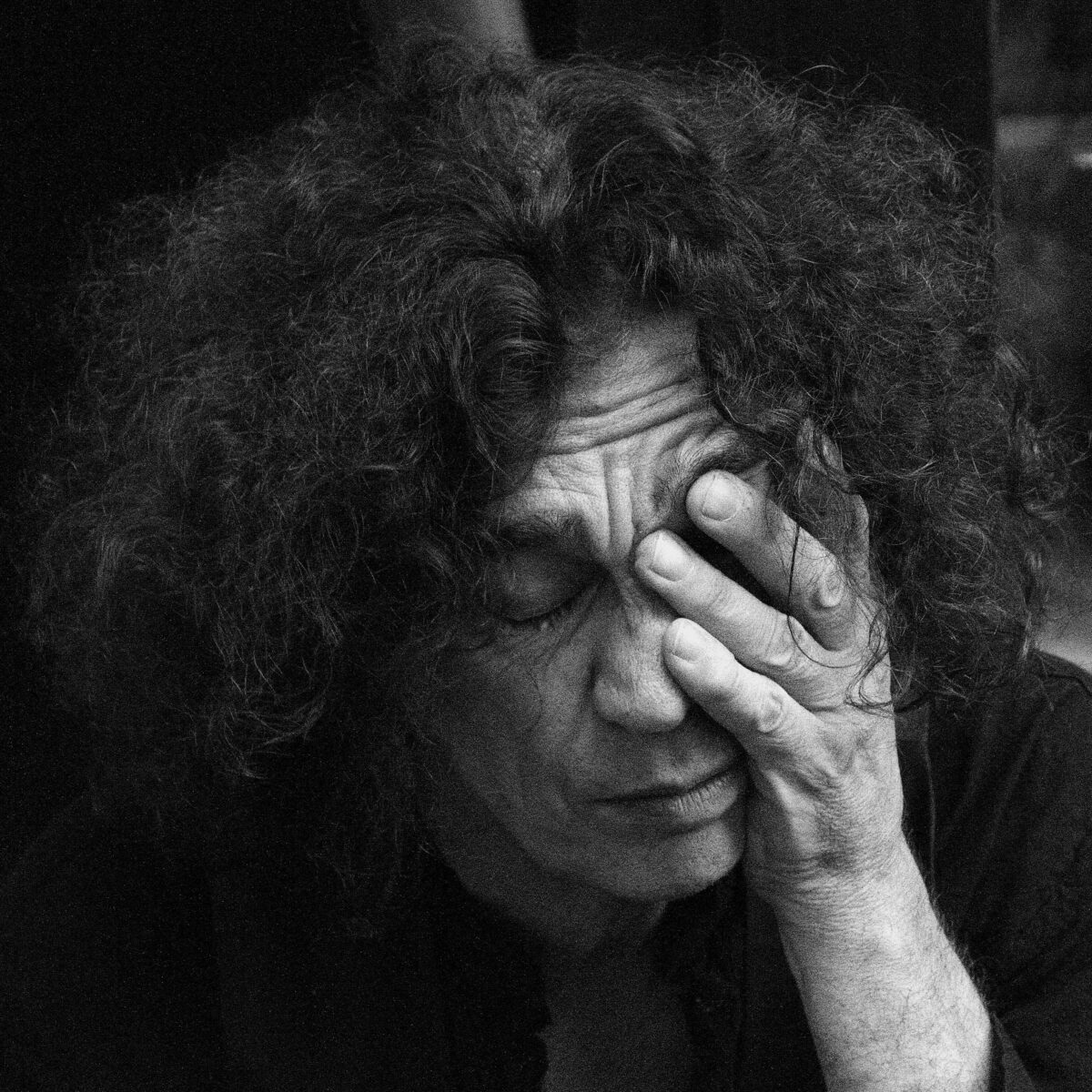
You are mid-spell, candle lit, full attention on your intention. Then suddenly your hands are burning hot, there is pressure building at the crown of your head and a buzzing in your chest you did not call in. Or the working ends and twenty minutes later a migraine arrives like a door slamming shut.
These experiences are not imagination and they are not signs that something went wrong. Your body is a magical instrument and it responds to magic the way any instrument responds to being played hard. This article explains what those responses mean, what each sensation is communicating and how to work with your body instead of being confused or frightened by it.
Your Body Is a Conduit, Not a Bystander
The foundational principle here is one most practitioners learn early but rarely apply to their own physical experience: in spellwork, you are not separate from the magic. You are the channel through which energy moves. You raise it, shape it, direct it and release it. That passage through you leaves traces.
In magical traditions, the body is understood to have an energetic anatomy that runs parallel to its physical one. This includes the chakra system, the aura or energy field and the meridians or energy channels depending on which tradition you work within. When you cast a spell, you are actively working this energetic anatomy. You open channels, concentrate force in specific areas and then discharge it. The physical sensations you experience during and after that process are your nervous system, your organs and your energy field communicating with each other.
Think of it this way: when a musician plays an intense concert, their hands shake afterward, their ears ring and their body is flooded with adrenaline and exhaustion. The music was real and so is the physical aftermath. Your body has the same relationship to intensive magical work. The sensations are evidence of genuine engagement, not side effects to be dismissed.
Different types of workings produce different physical experiences because they draw on different parts of your energetic anatomy. A candle spell focused on intention and release works primarily through the solar plexus and throat. Blood magic works at the deepest level of personal energy because it uses your actual biology. See Blood Magic: The Complete Guide to Working with Blood in Witchcraft for a full grounding in how that works. A long ritual with movement, chanting and sustained raised energy works the whole system at once. The more of yourself you put in, the more your body registers it.
What You May Feel During a Spell
Heat, Especially in the Hands
Heat is one of the most universally reported sensations during active spellwork and it is one of the clearest signs that energy is moving. The hands are the primary exit point for directed magical energy in most traditions. When you focus your intention through your palms toward a candle, a sigil, a person or an object, the energy concentrates there and heat is its signature.
Some practitioners feel this heat as gentle warmth that builds slowly as the working progresses. Others describe a sudden flush that arrives when they hit the peak of a raising. In workings involving strong protective or banishing energy, the heat can feel almost uncomfortable, like holding your hands too close to a flame. Full-body heat during a working often indicates that you are drawing heavily on your own reserves rather than channeling ambient energy.
In blood magic particularly, heat is reported almost universally at the moment of offering. This is understood as the energy of the blood itself activating and the working recognizing what has been given.
Tingling, Buzzing and Crown Pressure
Tingling that travels up the arms during energy raising is your energy channels opening. In the chakra system, the energy flows from the root upward through the body to be directed out through the crown or the hands depending on the nature of the working. The tingling sensation is that flow becoming active enough for the physical body to register it.
Pressure at the crown of the head is specifically associated with the crown chakra engaging. This is common during workings that involve calling on deities, ancestors or higher spiritual forces, since that is the primary interface point for that kind of communication. Some practitioners describe the crown pressure as a gentle weight, others as something pressing down from above. If it becomes uncomfortable, it usually means you have opened wider than you have capacity to hold at that moment and grounding will resolve it.
A buzzing or vibrating sensation in the chest tends to be associated with the heart chakra and commonly appears when a working carries strong emotional charge, in love magic, grief rituals, ancestor work or any spell where you have put significant personal feeling into the intention.
Tingling in the feet or a sense of heaviness in the legs during or after a working is often your body seeking ground, trying to return excess energy to the earth. Pay attention to this one because it is a useful signal. If your feet are tingling, your grounding is incomplete.
Yawning During a Working
Yawning in the middle of a spell is one of the most misunderstood physical signals in practice. Many practitioners take it as a sign that they are tired or losing focus and feel frustrated by it. In witchcraft, repeated yawning during energy work is understood as a release signal: energy is moving and clearing and the body is releasing it through the breath. It is particularly common during cleansing workings, banishing, cord-cutting or any spell that involves shifting or removing something. The yawn is not an interruption. It is evidence the working is doing something.
Some practitioners report yawning most intensely at the exact moment a working clicks into alignment, the moment the energy shifts from building to moving. If you find yourself suddenly yawning repeatedly during a spell that felt flat until that point, pay attention to where in the working you are.
Dizziness and Lightheadedness
Dizziness during a working is most often a capacity signal. It is your system communicating that more energy is moving through you than you can comfortably hold and channel at that moment. This happens most often during longer workings, when you have been sustaining a raised state for an extended period and your personal reserves begin to thin. It also happens when practitioners try to work without adequate grounding, leaving no stable channel for energy to discharge downward.
It can also be a sign of working while already depleted. If you have not eaten, have not slept well, are emotionally exhausted or are already unwell, your capacity to hold energy safely is lower than usual. Dizziness in those circumstances is your body giving you an honest report.
From a practical standpoint: if you become dizzy during a working, sit or kneel on the ground rather than standing, breathe slowly and consciously and finish the working with intention rather than abandoning it mid-stream if you can. Abruptly breaking a working without closing it cleanly can leave energy in an unresolved state, which often makes post-spell symptoms worse.
Cold Sensations and Sudden Chills
Cold where there should be none is a different kind of signal than heat. A sudden cold spot in the room or a chill that moves through you during a working is traditionally associated with the presence of something external: a spirit, an ancestor or a deity making itself known. The chill is a contact signal, a change in the energetic temperature of the space.
A cold that moves through your body from crown to feet is sometimes experienced at the moment a working takes hold and the energy shifts from being held to being released. It is the feeling of something completing.
Cold that arrives specifically in the hands during a working where you expected heat is worth noting in your grimoire. It sometimes indicates that the energy you are directing is meeting resistance or that the direction of the working is unclear.
Emotional Surges
Strong emotion during a working is not a side effect. It is fuel. Spellwork is not a purely intellectual act and it is not meant to be performed with detachment. The emotional charge you bring to a working is part of what makes it coherent and directed. Grief, love, anger, longing, gratitude: these are forms of energy and they are among the most potent forces a practitioner can work with.
Unexpected tears during a working are particularly common and particularly significant. They often arise when a working touches something that has been held in the body unprocessed. The magic creates an opening and what has been compressed moves through it. This is normal and it is not a loss of control. Let it move.
What you want to watch for is emotion that arrives from outside rather than arising from within: a sudden wash of grief or fear that feels foreign, that has no connection to your intention or your current state. That quality of externally-arriving emotion during a ritual that involves entity or spirit work is worth paying attention to as information about what is present in the space.
After the Ritual Ends: Understanding Spell Drop
The most important concept for understanding post-spell physical symptoms is spell drop. It is worth understanding in depth because misreading it causes practitioners a lot of unnecessary concern.
Spell drop is not a sign that your spell failed. It is not a curse backlashing. It is not a negative entity attaching to you. Spell drop is the name for the period of energetic recalibration that follows intensive magical work, when your personal energy field and your physical body are returning to their ordinary baseline after being significantly disrupted.
It has two distinct forms that produce different symptom profiles. Knowing which you are experiencing helps you respond correctly.
In the depletion form of spell drop, you have given more energy to the working than your system comfortably holds. Your field is running below its normal baseline. The symptoms are: heavy fatigue that feels physical and emotional simultaneously, a dull aching headache that sits behind the eyes or across the forehead, emotional flatness or inexplicable sadness, sensitivity to light or sound, brain fog and difficulty concentrating and sometimes crying with no clear cause. You may feel disconnected from your intuition. Everything feels duller and further away. This form of spell drop is essentially a spiritual hangover and it asks for rest, nourishment and quiet.
In the overcharge form, which is less common, you have absorbed more energy than you can hold and your system is running above its normal baseline. The symptoms here look different: a tight headache that sits at the temples or behind the eyes, restlessness and difficulty settling, racing thoughts, irritability that feels out of proportion to circumstances, anxiety without a specific object and a sense of being unable to turn off. You may feel wired and exhausted at the same time. This form asks for active grounding to discharge the excess.
Both forms are temporary. The energy body is naturally homeostatic: it seeks balance and returns to it. Spell drop typically resolves within a few hours and very rarely extends beyond twenty-four hours. The main thing you can do to support recovery is meet your body’s basic needs and not demand more of your energy system while it is recalibrating.
Post-Spell Symptoms in Detail
Fatigue
Magical fatigue after intensive work is your system telling you what it spent. A short candle spell may leave you with nothing more than a pleasant tiredness. A full ritual, an intensive emotional working, ancestor communication or blood magic can leave you genuinely drained for a day or more.
Blood magic tends to produce the most pronounced crash because it is the most physically intimate form of working. You are not just directing energy through your body. You are offering your body’s own substance. The energetic expenditure is real and the recovery needs to honor that. After blood magic specifically, treat the day after as a rest day.
Working during emotional difficulty such as grief rituals, banishing magic focused on a painful situation or healing workings for someone you love deeply tends to deepen the crash because the emotional charge itself is energy being spent. You are not just doing magic in those workings. You are fully present in the wound.
Nausea
Post-spell nausea is most commonly associated with the solar plexus chakra, the center of personal will, self-possession and directed power. When you cast with strong intention, you are pushing through this center. When a large amount of energy moves through any concentrated area quickly, the body registers it as a kind of pressure that manifests as nausea in the stomach.
It also appears when a working completes and your system drops quickly from a raised state. The transition itself, from sustained heightened energy to ordinary baseline, is what triggers it. This is why nausea is more common after workings where you sustained a high charge for an extended period than after brief or simple spells.
Emotional Drop and Mood After Spellwork
The post-spell emotional flatness that many practitioners experience is part of depletion spell drop and it is one of the symptoms that most often causes unnecessary anxiety. People worry that the flat or sad feeling means something went wrong, that they are being drained by an entity or that their magic has turned against them.
It has not. It is the emotional equivalent of the fatigue: your system has spent its charge and is resting in a lower state while it replenishes. It typically lifts on its own within a few hours. Eating, sleeping and doing something grounding and physical all accelerate it.
If emotional disturbance after a working is severe, persists beyond a couple of days or has a quality of something that feels foreign to you, that is a different situation and worth examining more carefully. For most practitioners doing ordinary spellwork, it will not be.
Muscle Aches and Tension
Aching in the neck, shoulders, jaw or back after spellwork is usually straightforward: sustained mental focus produces physical tension that you may not notice during the working but will feel afterward. Practitioners who chant, who hold ritual postures for extended periods or who work with physical intensity such as in movement-based traditions tend to feel this most. It is the body’s receipt for the physical labor of the ritual.
Cycle-Aware Practice: Hormones and Magical Sensitivity
For those who have menstrual cycles, the relationship between hormonal state and magical experience is significant and worth understanding rather than ignoring.
The premenstrual phase, roughly the four days before menstruation begins and the first couple of days of flow, is a time of heightened energetic permeability. The veil between your ordinary conscious state and your deeper energetic sensitivity thins in a way that many practitioners find dramatically amplifies magical work. Intentions go in deeper. Emotional workings hit harder. Connections to ancestors and deities can feel more immediate and present. This is why the menstrual phase has been considered a time of spiritual power across so many traditions.
It is also the time when spell drop is most likely to be pronounced and when post-spell symptoms such as headache and fatigue will land harder. If you want to understand how to work intentionally with your cycle rather than around it, The Secret Power of Menstrual Magic covers the phases and their specific magical qualities in depth. The reason is hormonal: estrogen drops sharply in the premenstrual phase and that drop creates genuine physical sensitivity. A 2023 review published in the Journal of Headache and Pain found that estrogen withdrawal during the perimenstrual period is a primary driver of menstrual migraine, directly affecting the vascular mechanisms that trigger head pain (PubMed, 2023). If you cast intensive magic during this window and then experience a migraine, both factors are real and both are contributing.
The practical implication is not to avoid working during your cycle. Many practitioners consider it their most powerful working time and with good reason. The implication is to plan recovery time deliberately. Know that you are working at a time of heightened sensitivity in both directions: more open, more potent and also more prone to crash. Adjust your expectations for the day after.
Tracking your cycle alongside your practice in a grimoire is genuinely useful. The patterns that emerge over a few months are often illuminating. If you do not yet have a dedicated practice journal, How to Create Your Own Grimoire or Book of Shadows is a good starting point.
PCOS, Hormones and Unusual Sensory Experiences
If you have PCOS and find that your experience of magical work or your sensory sensitivity during rituals feels unpredictable or unusual, this is worth knowing: PCOS affects hormonal regulation across the entire cycle, not just at specific phases. A 2016 study published in PubMed found significantly reduced olfactory function in people with PCOS compared to controls, linked partly to the elevated rates of depressive symptoms associated with the condition (PubMed, 2016).
This is relevant to practice because unusual smells, altered sensitivity to energy and difficulty reading your own energetic state can all be influenced by the hormonal fluctuations PCOS involves. If your magical experiences feel inconsistent across the month in ways that do not align with standard cycle phases, tracking your hormonal symptoms alongside your practice will give you more useful information than most general witchcraft advice can.
Phantom Smells: What They May Be Telling You
Catching a scent with no physical source is one of the more striking experiences that appears in magical practice. Flowers in an empty room, incense when nothing is burning, a scent closely associated with someone who has died.
In witchcraft this is called clairalience and it is understood as one of the clair senses: a form of extrasensory perception that arrives through the olfactory channel. The reason smell is treated as a particularly direct spiritual signal in many traditions comes down to anatomy. The olfactory system bypasses the rational filtering layers that vision and hearing pass through, connecting directly to the amygdala and hippocampus, the centers of emotional memory and deep pattern recognition. A scent can land in awareness without your analytical mind intercepting it first. This is why smell is considered one of the cleaner channels for spiritual contact.
In practice, phantom smells during ritual carry widely shared traditional associations. Sweet or floral scents tend to indicate benign presence, confirmation or a positive response from what you are working with. Smoke or an incense-like smell when nothing is burning often appears when spiritual presences are near, particularly in ancestor work. A decay or earthy smell can signal that you are working close to something that carries older or heavier energy. Sulfur is traditionally associated with protective or adversarial spirit energy depending on context. These are general guides: your own associations and the context of your working matter more than any list.
One practical note: phantosmia, the medical term for phantom smells, has known physical causes including sinus conditions, migraine aura and hormonal fluctuations. A single phantom smell that occurs during ritual and resolves is a spiritual experience worth noting. A phantom smell that persists outside of any magical context, recurs frequently or comes alongside other unusual neurological symptoms is worth raising with a doctor.
Reading the Signs: Is a Reaction Good, Bad or Just Your Body?
The question that comes up most often is: does a strong physical reaction mean the spell worked or does it mean something went wrong?
The answer is that physical intensity during a working is primarily a signal about engagement, not outcome. Strong heat in the hands, significant tingling, emotional surge and crown pressure during a spell are signs that you were genuinely connected to the working, that energy was actively moving through you and that the channeling was real. They are process signals.
Post-spell symptoms, headache, fatigue, nausea and emotional drop, are signals about your energetic and physical state after the work was done. A severe crash tells you that you started from a depleted baseline, gave heavily or worked without adequate grounding. It does not tell you whether the spell will manifest.
A working that produces no physical sensation at all is not necessarily weaker than one that leaves you with a three-hour headache. Some practitioners work in a quieter register. Some spells move clean and fast and leave no residue. The absence of dramatic physical symptoms is not a red flag any more than their presence is a guarantee.
What is worth paying attention to is quality, not quantity. A physical sensation that feels foreign, that has a quality of being imposed from outside rather than arising from your own practice, is worth noting. Dread, intrusive cold, a pressure that feels wrong rather than intense or nausea during a working that was intended to be positive are all worth examining. Your body has its own discernment and it often knows before your conscious mind does when something in a working is off.
Practical Recovery: During and After
If you become dizzy or overwhelmed during a working, sit on the floor rather than standing, slow your breathing and consciously feel the ground beneath you before continuing. Do not abandon the working abruptly if you can help it: close it deliberately, even briefly.
Ground before intensive work and not only afterward. Grounding before a spell gives excess energy somewhere to discharge rather than accumulating in your body. Grounding after the close of a working settles your field back toward its ordinary state.
Eat something before casting, particularly before any blood magic or emotionally intensive work. Low blood sugar amplifies every symptom. Drink water before and after. Dehydration compounds the physiological effects of magical work in both directions.
Close rituals with intention. One of the most common causes of lingering post-spell symptoms is an unclosed working: the candle blown out, the space not sealed, awareness not consciously returned to ordinary reality. Take the time to close properly.
After blood magic, treat your recovery as you would after any meaningful physical offering. Rest, iron-rich food, fluids and no further major energy expenditure for at least a day.
Is It Normal to Feel Sick After a Spell?
Yes. Post-spell physical symptoms are among the most commonly reported experiences in witchcraft communities and they are entirely normal. Headache, fatigue, nausea and emotional drop following intensive work all fall under the umbrella of spell drop: the energetic recalibration period after your system has been significantly engaged. Symptoms typically resolve within a few hours. They are not signs that something went wrong and they are not omens about the outcome of the working.
What Does It Mean When My Hands Get Hot During a Spell?
Heat in the hands during spellwork is one of the most reliable physical signs of energy actively moving. In the magical framework, the hands are the primary exit point for directed energy and heat is its most common signature. The intensity of the heat often corresponds to the intensity of the working. Particularly strong heat that builds toward the peak of a raising and then releases when the spell is sent is a sign of a clean and engaged channeling.
Why Did I Get a Migraine Right After My Spell Ended?
Post-spell migraine is common and has a clear energetic explanation: your system has come down suddenly from an elevated state and the energy field is recalibrating. This is the depletion form of spell drop expressing itself through your head. If you cast during the premenstrual or early menstrual phase of your cycle, the hormonal drop in estrogen at that time is a contributing factor. Research from 2023 confirms that estrogen withdrawal during the perimenstrual phase is a primary trigger for migraine through direct vascular mechanisms. The migraine does not mean the spell failed.
Can the Same Spell Produce Different Symptoms Each Time?
Yes and this is normal. Your baseline state changes. If you cast the same working when well-rested and grounded versus exhausted and emotionally depleted, the aftermath will feel different even if the spell itself is identical. Your cycle phase affects your sensitivity. The emotional charge you bring to a particular working affects how much of yourself goes into it. Two identical workings can produce different recovery experiences and both are accurate reports of what happened.
When Should I See a Doctor?
Post-spell symptoms that are severe, persist beyond a few days, do not improve with rest or occur independently of any magical practice deserve medical attention. A headache accompanied by vision changes, numbness, confusion or fever is not spell drop. Phantom smells that recur persistently outside of ritual context, especially alongside other neurological symptoms, should be evaluated. Extreme fatigue lasting more than several days is worth raising with a doctor regardless of cause. Chest tightness or palpitations during ritual are almost always anxiety-related but are worth checking. Your physical body and your magical practice are not in competition. Looking after both is the same act.
Photo by brut carniollus on Unsplash