
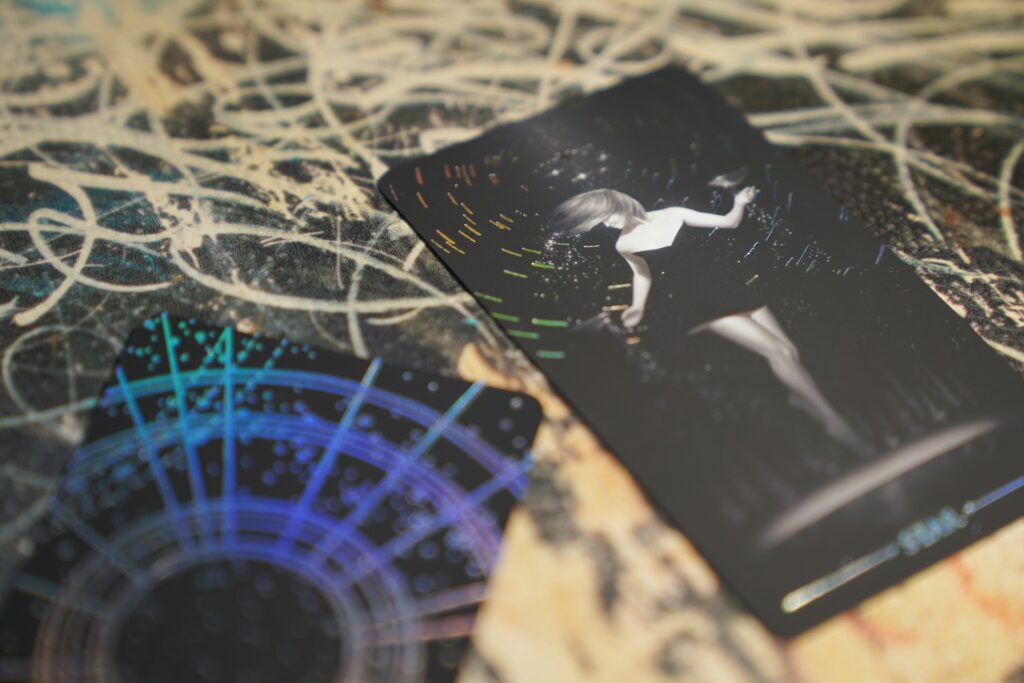
Tarot cards are not just fortune-telling tools. They are symbolic mirrors of the human psyche, deeply connected to Carl Jung’s concept of archetypes. Each card represents universal patterns of behavior, emotion and transformation that exist within all of us.
Understanding the archetypal meaning of tarot cards helps you read them with psychological depth rather than surface prediction. This guide explores how tarot connects to Jungian archetypes and what each card reveals about the human journey.
What Are Jungian Archetypes?
Carl Jung described archetypes as universal patterns that live in the collective unconscious. They are symbolic images and roles that appear across cultures, myths, dreams and stories. Archetypes shape how humans experience life and represent fundamental aspects of human nature.
Examples of Jungian archetypes include:
- The Hero (courage and overcoming challenges)
- The Shadow (repressed and hidden parts of the self)
- The Innocent (purity and trust)
- The Sage (wisdom and truth)
- The Lover (connection and passion)
These patterns are not rigid categories but fluid energies that move through every person’s life.
Which Tarot Cards Are True Archetypes?
Not all tarot cards represent archetypes in the Jungian sense. True archetypes are universal personalities or figures, not situations or processes.
Major Arcana (22 cards) = Universal archetypes representing soul lessons and major psychological forces
Court Cards (16 cards) = Personality archetypes representing different aspects of human character and development
Numbered Cards (Ace-Ten in each suit) = Stages, experiences and processes within each elemental journey. These are not archetypes themselves but archetypal situations that activate different energies.
Major Arcana: The Core Archetypes
The Major Arcana is the heart of tarot’s archetypal system. Each card represents a universal stage in the process of individuation, Jung’s term for the journey toward psychological wholeness.
0. The Fool
Archetype: The Innocent / The Beginner
The Fool represents the start of every journey. This archetype embodies trust, openness and the willingness to step into the unknown. The Fool does not yet know fear or limitation. It is pure potential waiting to unfold.
Shadow aspect: Naivety, recklessness, refusal to grow up
I. The Magician
Archetype: The Creator / The Magician
The Magician represents the power to manifest and transform. This archetype holds the tools of creation (the four elements) and uses willpower to shape reality. The Magician is conscious intention in action.
Shadow aspect: Manipulation, deceit, misuse of power
II. The High Priestess
Archetype: The Mystic / The Inner Feminine
The High Priestess represents intuition, hidden knowledge and the unconscious mind. This archetype guards the threshold between the seen and unseen. She teaches through silence, mystery and inner knowing.
Shadow aspect: Secrets, withdrawal, refusal to engage with reality
III. The Empress
Archetype: The Mother / The Nurturer
The Empress represents fertility, abundance and nurturing energy. This archetype embodies creation in the physical and emotional realms. She is the life-giving force that nourishes growth.
Shadow aspect: Overprotection, smothering, attachment
IV. The Emperor
Archetype: The Ruler / The Father
The Emperor represents structure, authority and order. This archetype establishes boundaries and creates stability. The Emperor is the organizing principle that gives form to chaos.
Shadow aspect: Tyranny, rigidity, control
V. The Hierophant
Archetype: The Sage / The Teacher
The Hierophant represents tradition, spiritual authority and sacred knowledge. This archetype connects the individual to collective wisdom and established systems of belief. The Hierophant teaches through structure and ritual.
Shadow aspect: Dogma, conformity, spiritual gatekeeping
VI. The Lovers
Archetype: The Lover / Union of Opposites
The Lovers represent choice, relationship and the union of masculine and feminine energies. This archetype explores connection, desire and the tension between independence and intimacy. It is the archetypal meeting of anima and animus.
Shadow aspect: Codependency, temptation, avoidance of choice
VII. The Chariot
Archetype: The Warrior / The Victor
The Chariot represents willpower, determination and mastery over opposing forces. This archetype drives forward through discipline and focus. The Chariot is the conquering self that achieves through directed energy.
Shadow aspect: Aggression, ruthlessness, lack of emotional control
VIII. Strength
Archetype: The Tamer / Inner Power
Strength represents courage, compassion and the ability to integrate instinct with consciousness. This archetype shows that true power comes from harmony, not force. Strength tames the beast through love.
Shadow aspect: Repression, passive aggression, false gentleness
IX. The Hermit
Archetype: The Seeker / The Wise Elder
The Hermit represents solitude, introspection and the search for inner truth. This archetype withdraws from the world to find wisdom within. The Hermit carries the light of self-knowledge.
Shadow aspect: Isolation, loneliness, fear of connection
X. Wheel of Fortune
Archetype: Fate / The Cycle
The Wheel of Fortune represents cycles, destiny and the turning points of life. This archetype shows that change is constant and that both rise and fall are part of existence. The Wheel teaches acceptance of life’s rhythm.
Shadow aspect: Victim mentality, resistance to change, belief in bad luck
XI. Justice
Archetype: The Judge / Balance
Justice represents fairness, truth and accountability. This archetype weighs actions and seeks equilibrium. Justice demands honesty and teaches that consequences follow choices.
Shadow aspect: Harsh judgment, revenge, cold logic without compassion
XII. The Hanged Man
Archetype: The Martyr / Surrender
The Hanged Man represents suspension, sacrifice and seeing from a new perspective. This archetype teaches that sometimes growth requires letting go of control. The Hanged Man finds enlightenment through surrender.
Shadow aspect: Victimhood, stagnation, refusal to act
XIII. Death
Archetype: The Transformer / Endings
Death represents transformation, endings and necessary loss. This archetype clears away what no longer serves to make space for rebirth. Death is the gateway to renewal.
Shadow aspect: Fear of change, clinging to the past, destruction without purpose
XIV. Temperance
Archetype: The Healer / The Alchemist
Temperance represents balance, healing and the blending of opposites. This archetype teaches moderation and patience. Temperance is the alchemical process of integration.
Shadow aspect: Imbalance, excess, spiritual bypassing
XV. The Devil
Archetype: The Shadow / Temptation
The Devil represents the shadow self, addiction and the chains we place on ourselves. This archetype forces confrontation with desires, fears and repressed impulses. The Devil teaches that liberation comes through acknowledging what we deny.
Shadow aspect: Bondage, materialism, denial of responsibility
XVI. The Tower
Archetype: The Destroyer / Revelation
The Tower represents sudden upheaval, destruction and the collapse of false structures. This archetype tears down illusions to reveal truth. The Tower brings crisis that leads to awakening.
Shadow aspect: Trauma, chaos, resistance to necessary change
XVII. The Star
Archetype: The Dreamer / Hope
The Star represents hope, inspiration and connection to the divine. This archetype appears after the storm to offer healing and renewal. The Star is the guiding light of the soul.
Shadow aspect: Delusion, false hope, disconnection from reality
XVIII. The Moon
Archetype: The Unconscious / Illusion
The Moon represents the unconscious mind, dreams and the realm of illusion. This archetype navigates confusion, intuition and the hidden forces beneath the surface. The Moon teaches that not everything is as it seems.
Shadow aspect: Deception, paranoia, being lost in illusion
XIX. The Sun
Archetype: The Child / Joy
The Sun represents vitality, clarity and the pure joy of being. This archetype embodies innocence regained, enlightenment and the conscious self fully expressed. The Sun is the light of truth.
Shadow aspect: Arrogance, superficiality, denial of shadow
XX. Judgement
Archetype: The Awakener / Rebirth
Judgement represents awakening, resurrection and the call to higher consciousness. This archetype signals a moment of reckoning and transformation. Judgement is the soul’s evolution into a new level of being.
Shadow aspect: Self-judgment, inability to forgive, refusal to evolve
XXI. The World
Archetype: The Self / Completion
The World represents wholeness, integration and the completion of a cycle. This archetype is Jung’s concept of the Self, the totality of the psyche in balance. The World is the end that becomes a new beginning.
Shadow aspect: Stagnation, fear of new cycles, attachment to completion
Court Cards: Personality Archetypes
The court cards represent archetypal personalities and stages of development within each elemental realm. They are not situations but people, aspects of personality or ways of being.
Wands Court: Archetypes of Action and Will
Page of Wands
Archetype: The Enthusiast / The Student of Passion
Youthful energy and eagerness to explore creative ventures. This archetype is curious, playful and ready to discover their passion. The messenger of inspiration.
Shadow: Flakiness, lack of follow-through, scattered enthusiasm
Knight of Wands
Archetype: The Adventurer / The Passionate Pursuer
Bold action and fearless pursuit of desire. This archetype charges forward with confidence and charisma. The warrior of passion who acts first and thinks later.
Shadow: Recklessness, arrogance, impulsive decisions, commitment issues
Queen of Wands
Archetype: The Charismatic Leader / The Confident Creator
Magnetic confidence and natural leadership. This archetype commands attention through warmth and creative power. The embodiment of passionate self-expression.
Shadow: Jealousy, controlling behavior, demanding attention, temperamental
King of Wands
Archetype: The Visionary / The Master of Will
Mature creative leadership and entrepreneurial mastery. This archetype transforms vision into reality through disciplined passion. The ruler who inspires action.
Shadow: Tyranny, ego-driven leadership, impatience with others
Cups Court: Archetypes of Emotion and Connection
Page of Cups
Archetype: The Dreamer / The Messenger of Emotion
Tender sensitivity and creative imagination. This archetype brings messages from the unconscious through dreams, intuition and artistic expression. The innocent heart open to feeling.
Shadow: Emotional immaturity, escapism through fantasy, oversensitivity
Knight of Cups
Archetype: The Romantic / The Idealist
Pursuit of emotional ideals and romantic gestures. This archetype follows the heart with devotion and poetic sensitivity. The knight who offers the grail of love.
Shadow: Emotional manipulation, unrealistic expectations, moodiness, avoiding reality
Queen of Cups
Archetype: The Empath / The Nurturing Intuitive
Deep emotional wisdom and compassionate intuition. This archetype feels everything and offers healing through empathic presence. The mother of emotional depth.
Shadow: Emotional overwhelm, poor boundaries, drowning in others’ feelings, martyrdom
King of Cups
Archetype: The Emotional Master / The Compassionate Leader
Balanced emotions and mature emotional intelligence. This archetype maintains calm in emotional storms and leads with compassion. The ruler who integrates feeling with wisdom.
Shadow: Emotional suppression, cold compassion, detachment masked as wisdom
Swords Court: Archetypes of Mind and Truth
Page of Swords
Archetype: The Curious Mind / The Student
Sharp curiosity and mental agility. This archetype questions everything and seeks truth through investigation. The messenger who delivers unexpected news.
Shadow: Gossip, manipulation of information, using knowledge as weapon, cynicism
Knight of Swords
Archetype: The Crusader / The Truth Warrior
Charging forward with intellectual conviction. This archetype cuts through obstacles with mental clarity and assertive communication. The warrior who fights for ideas.
Shadow: Aggressive communication, ruthlessness, acting without feeling, intellectual arrogance
Queen of Swords
Archetype: The Truth-Teller / The Clear Communicator
Independent thinking and direct honesty. This archetype sees through illusion and speaks truth with precision. The queen who values clarity over comfort.
Shadow: Coldness, cutting criticism, emotional detachment, using truth as cruelty
King of Swords
Archetype: The Judge / The Master of Logic
Intellectual authority and fair judgment. This archetype makes decisions based on logic and ethical principles. The ruler who commands through mental mastery.
Shadow: Harsh judgment, tyranny of logic, lack of empathy, manipulation through intellect
Pentacles Court: Archetypes of Material Mastery
Page of Pentacles
Archetype: The Apprentice / The Student of Craft
Eager to learn practical skills and grounded in study. This archetype approaches the material world with curiosity and dedication. The messenger who brings opportunities.
Shadow: Procrastination, inability to commit, lack of practical application
Knight of Pentacles
Archetype: The Worker / The Steadfast Builder
Methodical progress and dedication to long-term goals. This archetype values stability, routine and practical results. The warrior who wins through persistence.
Shadow: Stubbornness, rigidity, workaholic tendencies, resistance to change
Queen of Pentacles
Archetype: The Nurturer / The Abundant Provider
Practical wisdom and generous care for physical needs. This archetype creates comfort and nurtures growth through tangible support. The mother of the material realm.
Shadow: Materialism, controlling through resources, measuring worth by possessions
King of Pentacles
Archetype: The Provider / The Master of Resources
Mastery over the material world and wealth creation. This archetype builds empires and provides security through competence. The ruler who transforms resources into abundance.
Shadow: Greed, using wealth as power, valuing possessions over people, workaholism
Numbered Cards: The Archetypal Journey
The numbered cards (Ace through Ten) in each suit do not represent archetypes themselves. Instead, they represent stages, situations and experiences within each elemental journey. These are the processes through which archetypes move and evolve.
Think of them as the path rather than the traveler. The court cards and Major Arcana are the travelers (archetypes), while the numbered cards are the terrain they cross.
Wands (Fire): The Journey of Will and Action
This journey maps the cycle of creative passion from spark to burnout.
Ace – The spark of inspiration and creative potential / Shadow: Unfocused energy, impulsive action without direction
Two – Planning and vision at the crossroads / Shadow: Analysis paralysis, fear of commitment
Three – Expansion and waiting for results / Shadow: Impatience, overextension
Four – Celebration and temporary stability / Shadow: Superficial celebration, avoiding the next challenge
Five – Conflict and competition / Shadow: Pointless fighting, ego battles
Six – Victory and public recognition / Shadow: Arrogance, need for constant validation
Seven – Defense and holding boundaries / Shadow: Paranoia, exhaustion from constant defense
Eight – Swift momentum and acceleration / Shadow: Rushing without awareness, losing control
Nine – Resilience despite exhaustion / Shadow: Defensive walls, inability to rest
Ten – Burden and overextension / Shadow: Burnout, refusing to delegate
Cups (Water): The Journey of Emotion and Connection
This journey maps the emotional cycle from opening the heart to fulfillment or loss.
Ace – Emotional opening and new love / Shadow: Emotional flooding, vulnerability without boundaries
Two – Deep connection and partnership / Shadow: Codependency, losing self in relationship
Three – Community and shared joy / Shadow: Superficial connections, avoidance through socializing
Four – Contemplation and discontent / Shadow: Depression, refusing gifts and opportunities
Five – Grief and loss / Shadow: Wallowing in sadness, refusal to move forward
Six – Nostalgia and innocence / Shadow: Living in the past, escapism
Seven – Fantasy and illusion / Shadow: Delusion, addiction to fantasy
Eight – Walking away from what no longer fulfills / Shadow: Escapism, running away without reflection
Nine – Contentment and wish fulfillment / Shadow: Smugness, shallow satisfaction
Ten – Emotional completion and harmony / Shadow: Unrealistic expectations, denying problems
Swords (Air): The Journey of Mind and Truth
This journey maps the mental cycle from clarity through conflict to painful endings.
Ace – Mental breakthrough and clarity / Shadow: Harsh judgment, truth without compassion
Two – Stalemate and blocked decision / Shadow: Denial, willful blindness
Three – Heartbreak and painful truth / Shadow: Holding onto pain, victimhood
Four – Rest and mental recovery / Shadow: Avoidance, fear of re-engaging
Five – Defeat and hollow victory / Shadow: Cruelty, winning through manipulation
Six – Transition and moving forward / Shadow: Resistance to change, clinging to familiar pain
Seven – Strategy and deception / Shadow: Dishonesty, avoiding responsibility
Eight – Mental imprisonment and self-limitation / Shadow: Victim mentality, refusing help
Nine – Anxiety and mental torment / Shadow: Catastrophizing, refusing comfort
Ten – Rock bottom and painful ending / Shadow: Martyrdom, refusing to let go
Pentacles (Earth): The Journey of Material Reality
This journey maps the material cycle from opportunity through work to prosperity or hardship.
Ace – New material opportunity / Shadow: Greed, missed opportunity
Two – Balance and juggling resources / Shadow: Imbalance, refusal to prioritize
Three – Craftsmanship and collaboration / Shadow: Perfectionism, poor collaboration
Four – Security and control / Shadow: Miserliness, fear of loss preventing growth
Five – Hardship and material loss / Shadow: Refusing help, poverty consciousness
Six – Generosity and fair exchange / Shadow: Charity as control, conditional giving
Seven – Patience and assessment of progress / Shadow: Impatience, giving up too soon
Eight – Mastery through dedicated practice / Shadow: Workaholism, losing sight of purpose
Nine – Independence and self-sufficiency / Shadow: Isolation in success, inability to receive help
Ten – Legacy and lasting material completion / Shadow: Greed, valuing inheritance over growth
What Is the Shadow in Tarot?
The shadow, in Jungian psychology, is the part of the psyche that contains everything we reject, deny or repress about ourselves. It holds both negative traits we refuse to acknowledge and positive qualities we have not yet claimed.
Every archetype in tarot carries both light and shadow meanings. The shadow aspect appears when the archetype is unintegrated, distorted or operating unconsciously.
How Do Tarot and Archetypes Work Together in Readings?
Tarot readings become deeper when you approach cards as archetypal patterns rather than literal predictions. Instead of asking “Will this happen?” you ask “What energy is present?” and “What does this reveal about my inner process?”
Using archetypes in tarot readings helps you:
- Understand recurring patterns in your life
- Recognize which archetypal energies you are expressing or avoiding
- Identify shadow work that needs attention
- See where you are in your individuation journey
For example, if The Devil appears repeatedly, it may signal that you are confronting your shadow, struggling with addiction or feeling trapped by limiting beliefs. If The Star appears, it may indicate a phase of hope and spiritual renewal after a difficult period.
Can Tarot Help with Shadow Work?
Yes. Tarot is a powerful tool for shadow work because it externalizes unconscious patterns through symbolic images. By reflecting on the cards, you engage with parts of yourself that are otherwise hidden.
To use tarot for shadow work:
- Pull a card asking “What shadow aspect needs my attention?”
- Observe which cards make you uncomfortable or resistant
- Reflect on reversed cards as invitations to explore the shadow
- Notice recurring archetypes as signals of unintegrated energy
Shadow work through tarot is not about fixing yourself but about bringing awareness to what is unconscious. Integration happens when you acknowledge and accept all parts of the self, light and shadow together.
Why Do Archetypes Matter in Tarot?
Archetypes give tarot its psychological depth. They transform tarot from a prediction tool into a mirror of the soul. When you understand the archetypal language of tarot, you unlock a symbolic system that speaks to universal human experiences.
Tarot cards reflect the same archetypal patterns that appear in myths, dreams and stories across all cultures. This is why tarot resonates so deeply. It speaks the language of the collective unconscious.
By working with tarot as an archetypal system, you gain insight into:
- Your personality patterns and motivations (court cards and Major Arcana)
- The stages of your psychological and spiritual growth (numbered cards)
- The balance between your conscious and unconscious mind (shadow work)
- The archetypal forces shaping your life journey (Major Arcana)
Tarot becomes not just a reading tool but a guide for self-discovery and transformation.





[…] For the archetypal system that connects Jungian psychology to symbolic practice read our guide to tarot and archetypes. For the core magical system this psychology supports read our complete guide to Chaos […]