Nakshatras are the 27 lunar mansions of Vedic astrology. They are ancient star clusters that the Moon passes through over the course of a month and they add a layer of precision to chart reading that the zodiac signs alone cannot provide.
While the twelve zodiac signs divide the sky into broad 30-degree sections, each Nakshatra spans only 13 degrees and 20 minutes. That narrower lens makes them extraordinarily specific. Two people born with the Moon in Scorpio can have very different inner lives depending on which of the three Scorpio Nakshatras their Moon falls in.
What Does Your Birth Nakshatra Tell You?
Your birth Nakshatra is the lunar mansion occupied by your Moon at the exact moment of your birth. It reveals the quality of your mind, the texture of your emotional life and the instinctive patterns that run beneath your surface personality.
It also determines your Vimshottari Dasha starting point, the planetary time period you were born into and the sequence of periods that will unfold across your life. This makes the birth Nakshatra one of the most practically important placements in the entire chart.
Each Nakshatra has a ruling planet called the Nakshatra lord. That planet’s strength and placement in your chart significantly colors the quality of your Moon and your emotional experience.
How Do Nakshatras Relate to Zodiac Signs?
Each zodiac sign contains two and a quarter Nakshatras. Because 27 Nakshatras multiplied by 13°20′ equals exactly 360 degrees, they map perfectly onto the full zodiac wheel.
Aries contains Ashwini, Bharani and the first quarter of Krittika. Taurus contains the remaining three quarters of Krittika, Rohini and the first two quarters of Mrigashira. This pattern continues through all twelve signs.
The Nakshatra refines the sign. Think of the sign as a neighborhood and the Nakshatra as the specific house within it.
All 27 Nakshatras
| # | Nakshatra | Sign | Degrees | Ruler | Symbol |
|---|---|---|---|---|---|
| 1 | Ashwini | Aries | 0°00′ – 13°20′ | Ketu | Horse’s head |
| 2 | Bharani | Aries | 13°20′ – 26°40′ | Venus | Yoni |
| 3 | Krittika | Aries / Taurus | 26°40′ – 40°00′ | Sun | Flame |
| 4 | Rohini | Taurus | 40°00′ – 53°20′ | Moon | Chariot |
| 5 | Mrigashira | Taurus / Gemini | 53°20′ – 66°40′ | Mars | Deer’s head |
| 6 | Ardra | Gemini | 66°40′ – 80°00′ | Rahu | Teardrop |
| 7 | Punarvasu | Gemini / Cancer | 80°00′ – 93°20′ | Jupiter | Quiver of arrows |
| 8 | Pushya | Cancer | 93°20′ – 106°40′ | Saturn | Flower |
| 9 | Ashlesha | Cancer | 106°40′ – 120°00′ | Mercury | Serpent |
| 10 | Magha | Leo | 120°00′ – 133°20′ | Ketu | Throne room |
| 11 | Purva Phalguni | Leo | 133°20′ – 146°40′ | Venus | Hammock |
| 12 | Uttara Phalguni | Leo / Virgo | 146°40′ – 160°00′ | Sun | Bed |
| 13 | Hasta | Virgo | 160°00′ – 173°20′ | Moon | Hand |
| 14 | Chitra | Virgo / Libra | 173°20′ – 186°40′ | Mars | Bright jewel |
| 15 | Swati | Libra | 186°40′ – 200°00′ | Rahu | Sword |
| 16 | Vishakha | Libra / Scorpio | 200°00′ – 213°20′ | Jupiter | Triumphal arch |
| 17 | Anuradha | Scorpio | 213°20′ – 226°40′ | Saturn | Lotus flower |
| 18 | Jyeshtha | Scorpio | 226°40′ – 240°00′ | Mercury | Earring |
| 19 | Mula | Sagittarius | 240°00′ – 253°20′ | Ketu | Bundle of roots |
| 20 | Purva Ashadha | Sagittarius | 253°20′ – 266°40′ | Venus | Elephant tusk |
| 21 | Uttara Ashadha | Sagittarius / Capricorn | 266°40′ – 280°00′ | Sun | Elephant tusk |
| 22 | Shravana | Capricorn | 280°00′ – 293°20′ | Moon | Three footprints |
| 23 | Dhanishta | Capricorn / Aquarius | 293°20′ – 306°40′ | Mars | Drum |
| 24 | Shatabhisha | Aquarius | 306°40′ – 320°00′ | Rahu | Empty circle |
| 25 | Purva Bhadrapada | Aquarius / Pisces | 320°00′ – 333°20′ | Jupiter | Sword |
| 26 | Uttara Bhadrapada | Pisces | 333°20′ – 346°40′ | Saturn | Twins |
| 27 | Revati | Pisces | 346°40′ – 360°00′ | Mercury | Fish |
The 27 Nakshatras Explained
Ashwini
Ashwini opens the zodiac at 0° Aries and carries the energy of new beginnings, speed and healing. Its symbol is a horse’s head and its deity is the Ashwini Kumaras, the twin physicians of the gods. People with strong Ashwini energy tend to be fast-moving, independent and naturally drawn to healing or medicine. Ruled by Ketu, Ashwini has an instinctive, almost impulsive quality and a gift for starting things quickly.
Bharani
Bharani spans 13°20′ to 26°40′ Aries and holds the energy of birth, death and transformation. Its symbol is the yoni, representing both creation and containment, and its deity is Yama, the lord of death. Ruled by Venus, Bharani carries an interesting tension between pleasure and intensity. People with this Nakshatra prominent tend to be deeply creative, passionate and unafraid of the full spectrum of human experience.
Krittika
Krittika bridges Aries and Taurus and is ruled by the Sun. Its symbol is a flame and its deity is Agni, the fire god. Krittika is associated with purification, cutting away what is unnecessary and the nurturing of what is essential. It is the Nakshatra of sharp discernment. People with Krittika prominent are often direct, determined and capable of great focus, though they can also be critical of both themselves and others.
Rohini
Rohini sits at the heart of Taurus and is ruled by the Moon. It is considered one of the most fertile and auspicious Nakshatras. Its symbol is a chariot and its deity is Brahma, the creator. Rohini carries themes of beauty, abundance, creativity and sensory pleasure. The Moon is said to love Rohini above all other Nakshatras, which is why it is called the Moon’s favorite wife in Vedic mythology. People with this Nakshatra tend to be magnetic, creative and deeply connected to the material and aesthetic world.
Mrigashira
Mrigashira spans Taurus and Gemini and is ruled by Mars. Its symbol is a deer’s head and its deity is Soma, the Moon god. Mrigashira carries a gentle, searching quality, always seeking, always curious, always moving toward the next thing. Despite being ruled by Mars it is one of the softer Nakshatras, blending Martian drive with a tender restlessness. People with this Nakshatra often have a gift for finding beauty and are drawn to travel, exploration and the pursuit of knowledge.
Ardra
Ardra falls entirely in Gemini and is ruled by Rahu. Its symbol is a teardrop and its deity is Rudra, the storm god. Ardra carries the energy of intense transformation through destruction, the kind of storm that clears the air. People with this Nakshatra prominent often experience significant upheaval at some point in their lives which ultimately leads to renewal. There is a sharp, penetrating intelligence here and a capacity to see through illusions that others miss.
Punarvasu
Punarvasu spans Gemini and Cancer and is ruled by Jupiter. Its symbol is a quiver of arrows and its deity is Aditi, the goddess of infinite space. The name means “return of the light” and Punarvasu carries themes of renewal, optimism and the ability to recover and begin again. People with this Nakshatra tend to be philosophical, generous and resilient. There is a quality of returning home here, both literally and spiritually.
Pushya
Pushya sits in Cancer and is ruled by Saturn. Its symbol is a flower or udder and its deity is Brihaspati, the teacher of the gods. Despite Saturn’s rulership, Pushya is considered one of the most auspicious Nakshatras in the entire system. It carries themes of nourishment, devotion and spiritual care. People with this Nakshatra are often deeply caring, reliable and quietly wise. Saturn here takes on a gentle, protective quality.
Ashlesha
Ashlesha completes Cancer and is ruled by Mercury. Its symbol is a coiled serpent and its deity is the Nagas, the serpent deities. Ashlesha carries themes of kundalini energy, deep perception and the ability to see what others cannot. It is one of the more complex Nakshatras, associated with both wisdom and the potential for manipulation. People with this Nakshatra tend to be perceptive, strategic and intensely private. At its highest expression Ashlesha brings profound spiritual insight.
Magha
Magha opens Leo and is ruled by Ketu. Its symbol is a throne room and its deity is the Pitris, the ancestral spirits. Magha carries themes of lineage, authority and connection to the past. People with this Nakshatra often feel a strong sense of ancestral connection or are drawn to understanding where they come from. There is natural leadership here, the kind rooted in tradition rather than ego. Ketu’s influence gives Magha a quality of power without attachment to it.
Purva Phalguni
Purva Phalguni spans mid-Leo and is ruled by Venus. Its symbol is a hammock or the front legs of a bed and its deity is Bhaga, the god of fortune and marital happiness. This is a Nakshatra of rest, pleasure and creative delight. People with Purva Phalguni prominent tend to be charming, artistic and drawn to the finer things in life. There is a quality of wanting to enjoy what has been earned, of celebrating life’s sweetness.
Uttara Phalguni
Uttara Phalguni bridges Leo and Virgo and is ruled by the Sun. Its symbol is the back legs of a bed and its deity is Aryaman, the god of contracts and friendship. Where Purva Phalguni rests, Uttara Phalguni acts. This Nakshatra carries themes of service, commitment and the fulfillment of agreements. People with this Nakshatra tend to be dependable, socially gifted and oriented toward building lasting relationships and institutions.
Hasta
Hasta sits in Virgo and is ruled by the Moon. Its symbol is an open hand and its deity is Savitar, the sun god of creative inspiration. Hasta carries themes of skill, craftsmanship and the ability to manifest ideas through the hands. People with this Nakshatra tend to be practical, resourceful and gifted with manual or artistic skill. There is a light, witty quality here combined with a sharp eye for detail and a talent for getting things done.
Chitra
Chitra spans Virgo and Libra and is ruled by Mars. Its symbol is a bright jewel and its deity is Tvashtar, the divine architect. Chitra is the Nakshatra of beauty, artistry and the desire to create something brilliant. The name means “bright” or “beautiful” and people with this Nakshatra prominent are often visually gifted, drawn to design, aesthetics and the creation of beautiful things. There is a strong drive here to stand out and to make one’s mark through craft or beauty.
Swati
Swati falls in Libra and is ruled by Rahu. Its symbol is a sword or a young sprout bending in the wind and its deity is Vayu, the wind god. Swati carries themes of independence, flexibility and the ability to move with changing circumstances rather than against them. People with this Nakshatra tend to be socially skilled, adaptable and drawn to commerce or the arts. There is a quality of being able to bend without breaking, of surviving through cleverness and grace.
Vishakha
Vishakha spans Libra and Scorpio and is ruled by Jupiter. Its symbol is a triumphal arch and its deity is Indra and Agni together. Vishakha is the Nakshatra of focused purpose and determined achievement. People with this Nakshatra are often intensely goal-oriented, willing to work hard and wait long for what they want. There can be a quality of envy or competitiveness here but at its best Vishakha gives extraordinary drive and the capacity to reach goals that others abandon.
Anuradha
Anuradha sits in Scorpio and is ruled by Saturn. Its symbol is a lotus flower and its deity is Mitra, the god of friendship and contracts. Anuradha carries themes of deep loyalty, devotion and the ability to maintain love and commitment through difficulty. People with this Nakshatra tend to form profound bonds and to honor those bonds even when it is hard. There is a quality of emotional resilience here, the capacity to keep the heart open despite Scorpio’s intensity.
Jyeshtha
Jyeshtha completes Scorpio and is ruled by Mercury. Its symbol is an earring or a circular amulet and its deity is Indra, the king of the gods. Jyeshtha carries themes of seniority, protection and the burden of power. People with this Nakshatra often feel a strong sense of responsibility, sometimes carrying more than their share. There is great capability here alongside a tendency toward isolation. At its highest expression Jyeshtha produces natural leaders who protect the vulnerable.
Mula
Mula opens Sagittarius and is ruled by Ketu. Its symbol is a bundle of roots and its deity is Nirriti, the goddess of destruction and dissolution. The name means “root” and Mula carries the energy of going to the very source of things, pulling up what is buried. People with this Nakshatra often experience significant upheaval that forces them to question everything they thought they knew. At its highest expression this leads to profound philosophical depth and genuine wisdom earned through loss.
Purva Ashadha
Purva Ashadha spans mid-Sagittarius and is ruled by Venus. Its symbol is an elephant tusk or a fan and its deity is Apas, the goddess of water. Purva Ashadha carries themes of purification, invigoration and the ability to refresh and renew. People with this Nakshatra tend to be confident, persuasive and able to revitalize whatever they touch. There is a quality of early victory here, of bold starts and the excitement of possibility.
Uttara Ashadha
Uttara Ashadha bridges Sagittarius and Capricorn and is ruled by the Sun. Its symbol is also an elephant tusk and its deities are the Vishvedevas, the universal gods. Where Purva Ashadha has early energy, Uttara Ashadha brings lasting victory, the kind earned through sustained effort and righteousness. People with this Nakshatra tend to be principled, patient and deeply committed to doing what is right. Success comes late but it endures.
Shravana
Shravana sits in Capricorn and is ruled by the Moon. Its symbol is three footprints and its deity is Vishnu, the preserver. The name means “hearing” and Shravana carries themes of listening, learning and the transmission of knowledge. People with this Nakshatra tend to be excellent listeners, skilled at gathering information and deeply connected to tradition and lineage. There is a quality of quiet wisdom here, the kind that comes from truly paying attention to the world.
Dhanishta
Dhanishta spans Capricorn and Aquarius and is ruled by Mars. Its symbol is a drum and its deity is the Ashta Vasus, the eight gods of abundance. Dhanishta carries themes of wealth, rhythm and the prosperity that comes through collective effort. People with this Nakshatra tend to have strong social connections and a natural ability to create abundance. There is a musical or rhythmic quality here and often a gift for timing.
Shatabhisha
Shatabhisha falls in Aquarius and is ruled by Rahu. Its symbol is an empty circle and its deity is Varuna, the god of cosmic order and the ocean. The name means “the hundred healers” and Shatabhisha carries themes of healing, mystery and the hidden dimensions of reality. People with this Nakshatra tend to be solitary, deeply investigative and drawn to alternative knowledge or healing arts. There is a quality of secrecy here and a need for periods of deep solitude to process experience.
Purva Bhadrapada
Purva Bhadrapada spans Aquarius and Pisces and is ruled by Jupiter. Its symbol is a sword and its deity is Aja Ekapada, the one-footed goat, an ancient fire deity. Purva Bhadrapada carries a fierce, transformative energy despite Jupiter’s gentle rulership. People with this Nakshatra can be intense, unconventional and willing to break from social norms in pursuit of something higher. There is a quality of fire here, of passionate idealism that can transform those around it.
Uttara Bhadrapada
Uttara Bhadrapada sits in Pisces and is ruled by Saturn. Its symbol is twins or the back legs of a funeral cot and its deity is Ahir Budhnya, the serpent of the deep. Uttara Bhadrapada carries themes of depth, wisdom and compassionate endurance. Saturn here takes on a deeply spiritual quality, oriented toward service and the dissolution of ego. People with this Nakshatra tend to be profoundly wise, patient and capable of holding great suffering without being destroyed by it.
Revati
Revati closes the zodiac at the final degrees of Pisces and is ruled by Mercury. Its symbol is a fish and its deity is Pushan, the nurturer and guide of souls. Revati carries themes of completion, safe passage and the nurturing of others through transitions. People with this Nakshatra often have a gift for helping others find their way and a deep sensitivity to the suffering of those around them. There is something timeless about Revati, a quality of existing at the threshold between worlds, honoring what has passed while remaining open to what comes next.
How to Find Your Birth Nakshatra
Open your Vedic chart on Astro-Seek and look for your Moon’s sign and degree. The Nakshatra is usually displayed directly alongside the Moon placement. If not, search for a Nakshatra calculator and enter your Moon’s exact degree.
Once you have your Nakshatra, note its ruling planet. Find that planet in your chart and observe its house and sign. That planet is your Nakshatra lord and its condition in the chart adds significant texture to how your Moon and mind express themselves throughout your life.
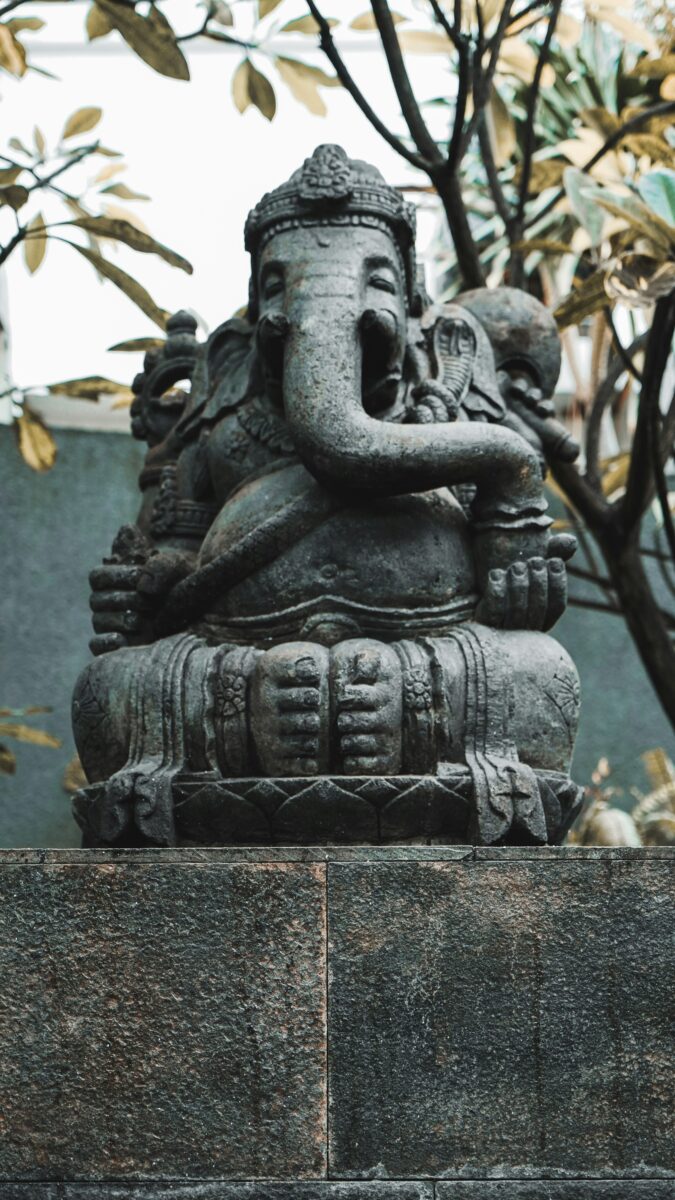
Photo by Dino Januarsa on Unsplash