Throughout history, certain symbols have been misunderstood, feared or deliberately distorted. Among these are the snake and the yoni, two powerful representations of transformation, feminine energy and primal wisdom. In many cultures, these symbols were once revered. Yet over time, societal narratives have often demonized them, especially in contexts shaped by patriarchal or colonial frameworks.
What Does the Snake Mouth Symbolize?
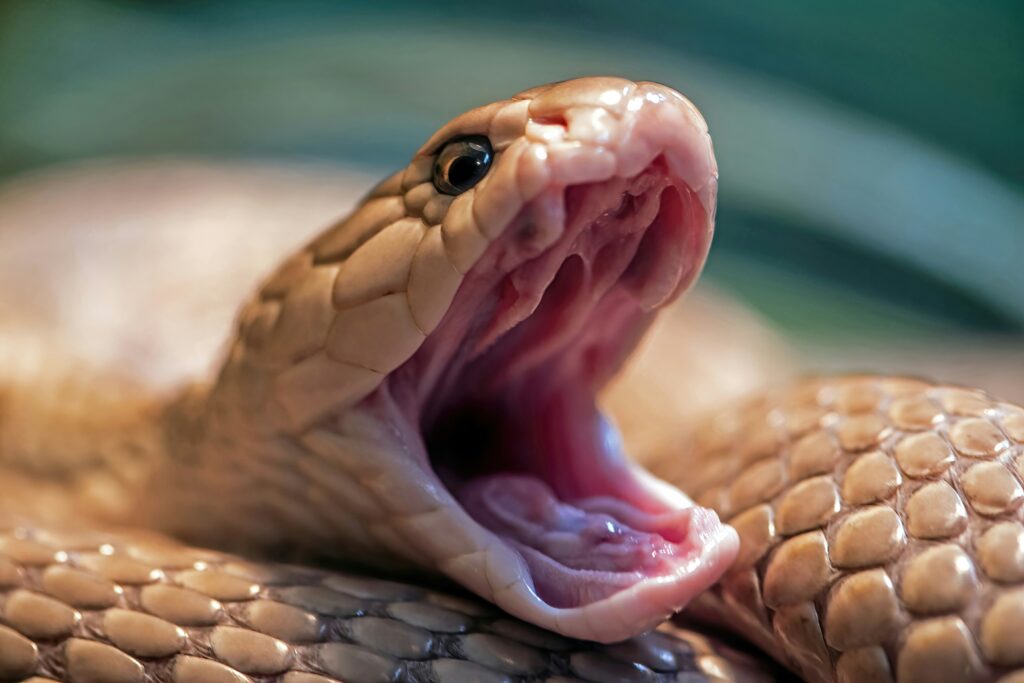
The snake has long been a symbol of transformation, healing and hidden knowledge. In ancient traditions, it represented the shedding of old skin, the renewal of life and the awakening of dormant energy. The mouth of the snake specifically carries layered meanings.
A portal or threshold: The open mouth can signify entry into another realm, whether spiritual, emotional or psychological. When kundalini energy rises, the mouth of the serpent becomes the opening through which consciousness enters higher states.
Consumption and release: The snake mouth may represent the act of devouring what no longer serves and releasing suppressed truths. The serpent swallows and transforms, showing that what is taken in can be metabolized and changed.
Duality and power: The snake mouth embodies both danger and wisdom, destruction and rebirth. The snake as a spiritual symbol shows us that power is neither good nor evil. It simply is.
In mythologies across the globe from Mesoamerican feathered serpents to Hindu nagas, the snake is not inherently evil. It is a force of nature, often linked to fertility, intuition and cosmic cycles.
Yoni as the Source: Reclaiming the Sacred Feminine
Yoni is a Sanskrit term meaning source, womb or sacred space. It refers to the feminine generative organ, but its significance reaches far beyond physical anatomy. In spiritual traditions, the yoni is honored as the origin of life, the seat of divine feminine energy and a symbol of creative potential.
In Tantric philosophy, the yoni is paired with the lingam (masculine symbol) to represent balance and unity. In temple architecture and sacred art, yoni imagery appears as lotus flowers, downward-pointing triangles or circular portals. In ritual practice, it is invoked to access intuition, sensuality and spiritual depth.
In ancient Egypt, the ouroboros, a serpent consuming its own tail, was seen as a symbol of cyclical time, regeneration and unity. The mouth of the serpent was often interpreted as a yonic portal, while the tail represented phallic energy. Together, they embodied the eternal dance of creation and dissolution, reinforcing the sacred interplay between feminine and masculine forces.
The yoni is not a gendered symbol, though it is associated with feminine energy. Everyone carries feminine creative energy. The yoni invites you into receptivity, openness and the capacity to receive and transform.
When you work with yoni energy in spiritual practice, you are accessing the part of yourself that creates, receives and brings forth new life. This may be literal children or it may be creative projects, ideas, healing or transformation.
Despite its sacred origins, the yoni has often been reduced to taboo or shame in modern discourse. This reflects a broader discomfort with feminine power and embodiment. Sexual intimacy and spiritual connection are often where yoni energy becomes most alive and conscious.
Why Have Society and Religion Demonized These Symbols?
The demonization of both the snake and the feminine has deep historical roots. In many Western religious narratives, the snake is cast as a deceiver, most famously in the story of Eden. Likewise, feminine sexuality and autonomy have often been portrayed as dangerous, unruly or corrupting.
These portrayals served specific social functions: to control, suppress and redirect power. By labeling the snake as evil and the yoni as shameful, dominant systems marginalized intuitive wisdom, bodily sovereignty and cyclical knowledge, qualities deeply tied to feminine expression and earth-based spirituality.
Yet in earlier, pre-patriarchal cultures, symbols like the snake and the yoni were central to spiritual life. The snake was seen as a guide through transformation, a healer and a keeper of hidden knowledge. The yoni was revered as the sacred origin of life, a portal to creation and intuition. Their meanings were not feared; they were honored.
Over time, however, these symbols were reshaped through layers of religious doctrine, cultural fear and institutional control. What was once sacred became suspect. What was once empowering became taboo.
Across cultures, reverence for these symbols was once widespread and deeply embedded in spiritual life. In ancient Egypt, the ouroboros symbolized the cyclical nature of time and the unity of Ra and Osiris. In Hindu traditions, yoni-shaped carvings appear in temple architecture as representations of divine feminine energy and cosmic creation. Mesoamerican mythology revered the feathered serpent Quetzalcoatl as a bringer of wisdom, wind and life. These examples remind us that the snake and the yoni were not marginal. They were foundational.
What Happens When These Symbols Are Reclaimed?
When the snake mouth and yoni are brought together in spiritual or artistic expression, they form a potent union of transformation and creation. This pairing can represent the cycle of life and death, the merging of shadow and light and the embodiment of feminine wisdom and primal force.
The reclamation of these symbols is an act of shadow work. You are taking what has been demonized and denied and bringing it back into consciousness. You are saying: this is sacred and I honor it.
In ritual contexts, these symbols may be used to channel energy, awaken intuition or explore the sacredness of the body. They are not inherently sexual, though they may carry erotic charge. More importantly, they invite a return to wholeness.
When you work with snake and yoni symbolism, you are not being provocative or shocking. You are remembering. You are part of an ancient lineage of people who understood that creation, sexuality, transformation and intuition are sacred forces.
Why Is It Important to Approach These Symbols With Respect?
Reclaiming these symbols is not about provocation. It is about remembrance. They are part of a lineage of wisdom that predates modern shame. To engage with them is to honor the body, the earth and the unseen forces that shape our lives.
Respect means understanding their depth, not reducing them to aesthetic or shock value. It means listening to what they represent: cycles, power, healing and truth.
When you approach the snake with respect, it becomes a teacher. When you approach the yoni with respect, it becomes a portal to your own creative power and divine feminine nature.
FAQ
Is the yoni only for people with vaginas?
No. The yoni represents the divine feminine principle, which exists in everyone regardless of gender or anatomy. You can work with yoni energy whether or not you have a yoni-shaped body. The symbolic meaning transcends anatomy.
Why are snake and yoni symbols connected?
Both represent cycles, transformation and creative power. Both have been demonized by patriarchal systems. Both symbolize the threshold between life and death, creation and dissolution. Their pairing shows the union of masculine and feminine forces and the sacred cycle of all existence.
Can I work with these symbols in daily spiritual practice?
Yes. You can meditate on them, wear them as jewelry, draw them, work with them in ritual or simply sit with their meaning. The most powerful work is often the simplest: honoring the symbol with clear intention.
Is it disrespectful to use these symbols in art or decoration?
Not if you approach them with genuine respect and understanding. The risk is reducing them to aesthetic without honoring their depth. If you work with these symbols, know what they mean. Know their history. Honor their power.
Can I work with snake and yoni energy if I have trauma related to sexuality or the body?
Yes, but gently and ideally with support from a spiritual practitioner or therapist who understands trauma. These symbols can support healing, but approaching them after trauma requires care and wisdom.
What is the relationship between yoni and kundalini?
Kundalini rises from the base of the spine through the yoni/root chakra. The yoni is both the seat of kundalini energy and the symbol of the feminine receptive power that allows kundalini to rise. Working with yoni consciousness can support kundalini awakening.
How do I distinguish between spiritual use of these symbols and cultural appropriation?
Do your research. Understand the cultural origin of the symbols. Give credit to the traditions they come from. Work with respect rather than extraction. Use these symbols as a bridge to understand other cultures, not as a way to take from them.
Can these symbols be used in love magic or fertility magic?
Yes. Both snake and yoni symbols can amplify intentions around fertility, creativity and attraction. They can be used in spells, rituals or charm work. The key is clear intention and respect for the power they represent.
Photo by David Clode on Unsplash