Witchcraft is one of humanity’s oldest spiritual practices, spanning cultures, continents and millennia. From ancient folk healers to modern practitioners working with lunar cycles and natural energies, witchcraft continues to evolve while maintaining its core connection to the earth, the elements and personal power. This comprehensive guide explores what witchcraft truly is, the diverse traditions practiced today and how anyone can begin their journey into the craft.
What is Witchcraft?
Witchcraft is a spiritual and magical practice centered on working with natural energies, performing rituals, casting spells and developing deep connections with the cycles of nature and the unseen forces of the universe. At its essence, witchcraft is about personal empowerment, transformation and living in harmony with natural rhythms.
Unlike organized religions with centralized authority, witchcraft is highly individualistic. Each witch develops their own relationship with magic based on study, intuition, experience and personal ethics. While some traditions have specific rules and structures, witchcraft as a whole celebrates diversity and personal sovereignty.
Modern witchcraft draws from ancient folk practices, indigenous wisdom, historical grimoires, contemporary spiritual insights and personal experimentation. It combines practical results with spiritual development, using magic as both a tool for manifesting change and a path to deeper self-knowledge.
👉 Introduction to Witchcraft: A Beginner’s Guide
What Do Witches Actually Do?
Witches engage in a wide variety of practices depending on their tradition, interests and goals. Common activities include casting spells for healing, protection, prosperity, love and personal growth; celebrating seasonal festivals (sabbats) that mark the turning of the year; working with lunar phases, as different moon stages support different types of magic; creating and consecrating magical tools like wands, athames (ritual knives), chalices and pentacles; practicing divination through tarot cards, runes, scrying, pendulums and other methods; studying and using herbs for magical and healing purposes; performing energy work, meditation and visualization; honoring ancestors and communicating with spirits; creating altars and sacred spaces in their homes; keeping grimoires or Books of Shadows to record spells, experiences and knowledge; and crafting potions, oils, incense and other magical preparations.
The daily life of a witch might involve morning devotions or grounding exercises, lighting candles with intention, choosing clothing colors based on magical correspondences, stirring intentions into their coffee, pulling a daily tarot card, tending to magical plants or simply living mindfully in tune with natural cycles.
Can Anyone Practice Witchcraft Regardless of Gender?
Absolutely. Modern witchcraft welcomes practitioners of all genders. The historical reality is that the term ‘witch’ was originally gender-neutral in Old English, derived from ‘wicce’ (feminine) and ‘wicca’ (masculine), both meaning someone who practices magic. Over time, popular culture emphasized the feminine association, but the word has always been appropriate for practitioners of any gender.
What About the Term Warlock for Male Witches?
Many people assume ‘warlock’ is the male equivalent of witch, but this term is controversial in actual witchcraft communities. The word comes from Old English ‘wǣrloga’ meaning oath-breaker or traitor and was historically used as an insult to describe someone who betrayed their coven or broke sacred vows.
Because of these negative connotations, most male practitioners prefer to simply call themselves witches. Some may use terms like wizard, sorcerer or practitioner, but within most modern witchcraft traditions, ‘witch’ is considered the proper gender-neutral term. That said, if an individual chooses to identify as a warlock and reclaims that term for themselves, that is their personal choice.
How Does Witchcraft Welcome Non-Binary and Genderqueer People?
Witchcraft has become an especially meaningful spiritual practice for many non-binary, genderqueer, transgender and LGBTQ+ individuals. The practice offers personal empowerment outside traditional religious structures that may have been exclusionary or harmful. It emphasizes individual sovereignty, self-definition and the freedom to create your own path without rigid rules about who you must be.
However, it is important to acknowledge that some traditional forms of witchcraft, particularly certain branches of Wicca, have historically emphasized gender polarity (the balance of masculine and feminine energies embodied by a God and Goddess). This binary focus can feel exclusionary to those who exist outside or between gender categories.
In response, many practitioners have developed more inclusive approaches. Queer witchcraft and non-binary magical traditions have emerged that honor the full spectrum of gender identities. These practitioners might work with deities who transcend gender, reinterpret traditional rituals to be inclusive, create new magical frameworks that do not rely on binary thinking and build communities where all gender identities are celebrated.
Historical precedent exists for gender diversity in magical and spiritual roles. Many cultures recognized third gender or gender-fluid spiritual practitioners, such as the Galli (priests of Cybele in ancient Rome who often lived as women), Two-Spirit people in various indigenous North American cultures and numerous other examples across world religions. Modern witchcraft continues this tradition of honoring diverse gender expressions.
Is Witchcraft Accessible to Everyone?
Many forms of witchcraft are accessible regardless of your religious background, cultural heritage, socioeconomic status, education level, physical ability or life circumstances. You do not need expensive tools or formal training to begin practicing many traditions.
However, it is crucial to understand that not all magical traditions are open to everyone. Some practices are closed, meaning they belong to specific cultural or ethnic groups and require initiation, heritage or permission to practice. These include certain Native American spiritual practices, some forms of Vodou and traditional African religions, specific family lineages in traditional witchcraft and certain initiatory Wiccan traditions (such as Gardnerian and Alexandrian Wicca).
Respecting these boundaries is essential to ethical practice. Many successful witches practice with nothing more than their intention, a few candles, herbs from their kitchen and items found in nature, working within open traditions that welcome all sincere practitioners.
What Are the Major Types of Witchcraft?
Witchcraft encompasses numerous traditions, each with its own focus, practices and philosophy. Here are the main established paths.
Wicca
Wicca is the most widely recognized modern witchcraft tradition. Founded in the 1950s by Gerald Gardner and further developed by figures like Doreen Valiente, Wicca is a nature-based religion honoring both a Goddess and a God. Wiccans celebrate eight sabbats following the Wheel of the Year (Samhain, Yule, Imbolc, Ostara, Beltane, Litha, Lammas and Mabon). They also observe esbat rituals at each full moon (typically 12 or 13 per year).
Wicca emphasizes the Wiccan Rede (‘An it harm none, do what ye will’) and the Law of Threefold Return (energy returns to you three times over). Practitioners typically work in covens with structured hierarchies, though solitary Wicca is increasingly common. The practice includes casting circles, calling quarters (invoking the four elements and directions), drawing down the moon and working with deity energy.
Different Wiccan traditions include Gardnerian Wicca (the original tradition, requiring initiation and maintaining secrecy), Alexandrian Wicca (similar to Gardnerian but more ceremonial), Dianic Wicca (goddess-centered and often women-only), Eclectic Wicca (blending elements from various sources) and Seax-Wica (based on Anglo-Saxon traditions and open to self-initiation).
👉 Wicca: Principles, Practices and the Wheel of the Year
Traditional Witchcraft
Traditional Witchcraft refers to practices that predate Wicca or exist independently of it. These witches draw on historical European folk magic, regional customs, family traditions and pre-Christian practices. Traditional craft tends to be less structured than Wicca, with greater emphasis on personal intuition, working with local spirits and land energies, ancestor veneration and spirit flight or hedge riding.
Traditional witches may or may not work with deities. When they do, they often honor regional gods, local spirits or the concept of the Witch Father and Witch Mother. Their practices vary significantly based on cultural background but often include working with familiar spirits, crossroads magic, bone work and communion with the dead. The approach is often darker and more pragmatic than Wicca, acknowledging both light and shadow.
Hedge Witchcraft
Hedge witches are solitary practitioners specializing in crossing the boundary between the physical world and the spirit realm. The ‘hedge’ represents the liminal space between the mundane and the mystical, the village and the wilderness, the conscious and the unconscious.
These witches excel at spirit work, astral projection, lucid dreaming, trance states and shamanic journeying. They often serve as intermediaries between worlds, similar to shamans in other cultures. Hedge witches work closely with plant spirits, animal guides and otherworldly beings. Their practice is deeply personal, often passed down through families or developed through solitary exploration and direct spiritual contact.
Green Witchcraft
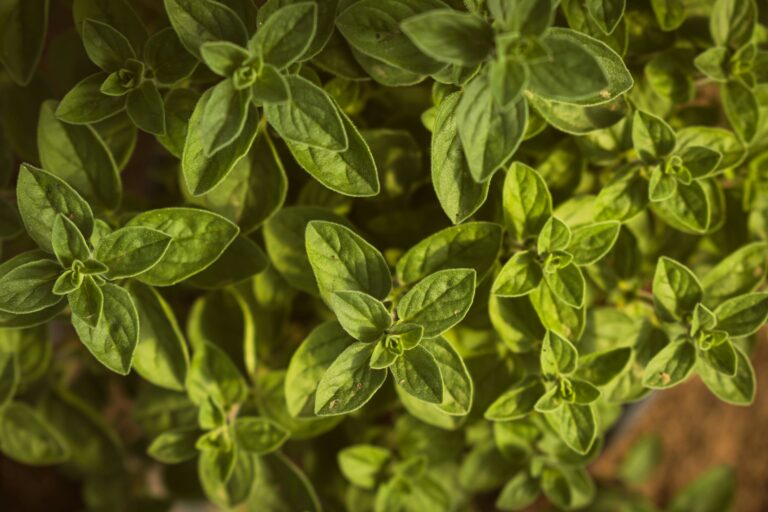
Green witches focus on herbalism, plant magic and deep communion with nature. They cultivate magical gardens, create herbal remedies, work with the energies of trees and flowers and often serve as healers in their communities. Their magic is practical, grounded and intimately connected to the seasons, weather patterns, soil quality and the life cycles of plants.
Green witches study plant correspondences (which herbs align with which intentions), create tinctures and salves, practice wildcrafting (ethically harvesting wild plants), work with essential oils, make flower essences and maintain detailed herbal grimoires. They honor the Green Man, plant deities and nature spirits. Their practice often overlaps with folk herbalism and natural healing.
👉 Top 30 Herbs for Witchcraft: A Practical Guide to Spellwork
Kitchen Witchcraft
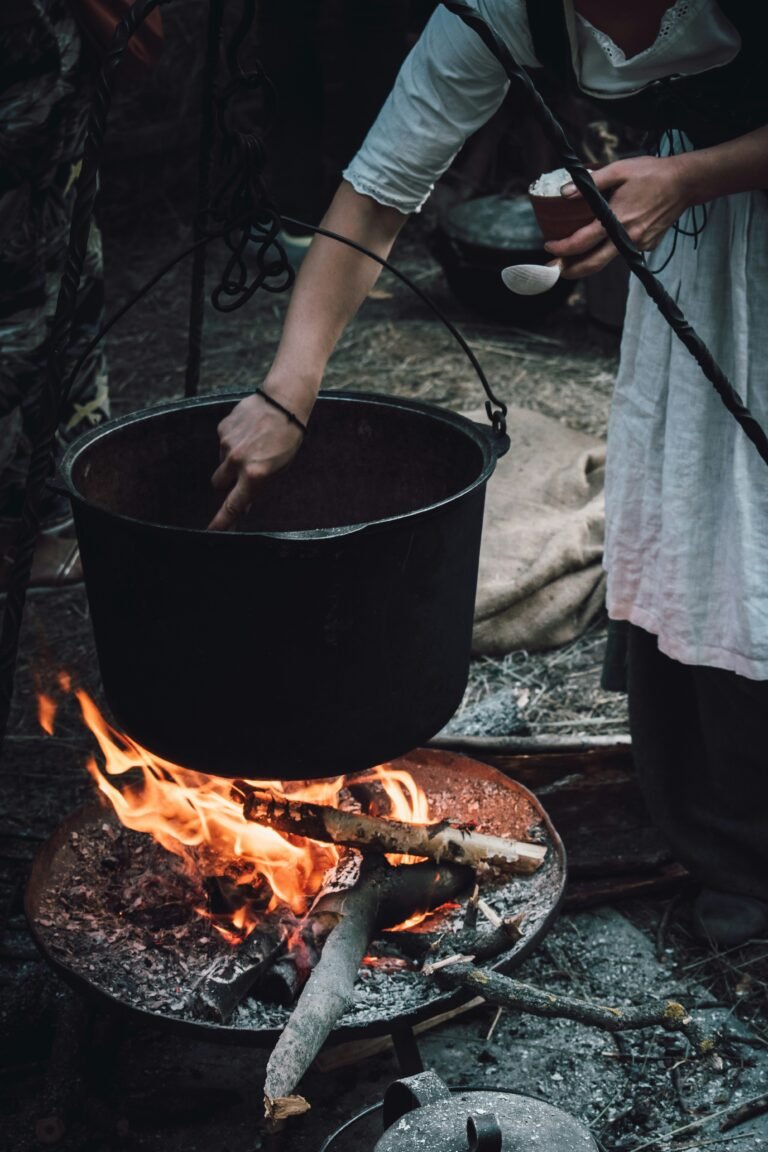
Kitchen witches bring magic into everyday domestic life, transforming the home into sacred space. They enchant their cooking by stirring intentions into food, selecting ingredients based on magical correspondences and blessing meals. The hearth becomes an altar and ordinary activities like cleaning organizing, baking and gardening become magical acts.
This path proves that elaborate tools and rituals are not necessary for effective magic. Kitchen witches might draw sigils in coffee foam, place protective herbs in window sills, enchant cleaning products for energetic cleansing, create magical recipes for specific purposes (love soup, prosperity bread, healing tea) and maintain the energetic health of their living space. The practice is accessible, practical and deeply nurturing.
👉 Kitchen Witchery: Stirring Magic into Everyday Meals
Cosmic Witchcraft
Cosmic witches work primarily with celestial energies, astrology, lunar phases, planetary alignments and star magic. They create rituals timed to astronomical events like eclipses, retrogrades, conjunctions and solstices. Their practice incorporates detailed astrological knowledge, working with zodiac correspondences, planetary hours and cosmic consciousness.
These witches might cast spells during specific planetary alignments, charge crystals under particular constellations, work with birth charts for personal magic, honor celestial deities and meditate on their place within the vastness of the universe. Cosmic witchcraft bridges earthly magic with the infinite energies of space and time.
Sea Witchcraft and Water Magic
Sea witches draw their power from oceans, rivers, lakes and all bodies of water. They work with shells, driftwood, sea glass, sand, seaweed, salt water and marine energies. Their practice includes water scrying (divination using water surfaces), storm magic, working with tides and moon-influenced waters, honoring water deities and spirits like mermaids and undines and collecting rainwater and seawater for magical use.
Sea witches have special affinity for the moon due to its influence on tides. They might perform cleansing rituals in the ocean, create protection spells using beach findings, work with the emotional and intuitive qualities of water and honor the transformative power of erosion and flow.
Cottage Witchcraft
Cottage witchcraft focuses on hearth and home magic, similar to kitchen witchcraft but with broader scope. Cottage witches create protective charms for their homes, practice practical folk magic, work with seasonal crafts (making corn dollies, braiding garlic, creating herb bundles), maintain magical home gardens and incorporate magic into traditional domestic skills like sewing, knitting, preserving food and candle making.
This tradition emphasizes self-sufficiency, sustainability and the sacred nature of everyday tasks. It appeals to those seeking a grounded, home-centered practice that honors traditional skills and simple living.
Elemental Witchcraft
Elemental witches specialize in working with one or more of the classical elements: Earth, Air, Fire and Water (and sometimes Spirit as the fifth element). They develop deep relationships with elemental energies and may focus their entire practice around a single element or work to balance all elements within themselves and their magic.
Earth witches work with stones, crystals, soil, plants and grounding energies. Air witches focus on wind, breath, incense, sound and mental clarity. Fire witches work with candles, bonfires, transformation and passion. Water witches (including sea witches) connect with emotions, intuition and flowing energies. Elemental witches study correspondences, invoke elemental spirits (gnomes, sylphs, salamanders, undines) and create balanced magical workings.
Crystal Witchcraft
Crystal witches specialize in working with stones, gems, minerals and crystals for magical and healing purposes. They study the metaphysical properties of different stones, create crystal grids for manifesting intentions, charge and cleanse crystals using various methods, incorporate stones into spells and rituals, make crystal elixirs and gem water, practice crystal healing and develop personal relationships with individual stones.
This practice combines geological knowledge with energetic sensitivity. Crystal witches often maintain extensive collections, knowing which stones support which intentions (amethyst for intuition, citrine for abundance, black tourmaline for protection, rose quartz for love and so on).
👉 Common Crystals for Spells and Spiritual Practices
Chaos Magic
Chaos magic is a postmodern, experimental approach that treats belief as a tool rather than a requirement. Chaos magicians adopt and discard belief systems strategically, using whatever works for a particular goal. The focus is on results, not tradition or dogma.
Key practices include sigil magic (creating and charging symbols representing intentions), paradigm shifting (consciously changing belief systems), achieving gnosis states (altered consciousness for magical work), incorporating pop culture symbols and personal mythology, experimenting fearlessly and maintaining detailed magical records to track what works. Chaos magic appeals to pragmatists, skeptics and those who reject rigid traditions.
👉 Chaos Magic: A Radical Guide to Belief, Ritual and Personal Power
What Are the Cultural and Regional Witchcraft Traditions?
Beyond these practice-based categories, numerous cultural and regional traditions preserve unique magical heritage. It is essential to approach these traditions with respect and awareness of cultural appropriation.
Hoodoo (African American Folk Magic)
Hoodoo is an African American folk magic tradition that developed in the Southern United States, blending West African spiritual practices with Native American herbalism, European folk magic and Biblical traditions. It is a practice, not a religion, focused on practical results.
Hoodoo practitioners (rootworkers or conjurers) work with roots, herbs, minerals, personal concerns (hair, nails, photos), spiritual supplies like candles and oils, mojo bags (gris-gris), crossroads magic, Biblical psalms and ancestral spirits. Common purposes include protection, justice, love drawing, money attraction, enemy work and uncrossing (removing negative magic). The tradition maintains strong ties to African diaspora spirituality while being distinctly American.
Brujería (Latin American Witchcraft)
Brujería encompasses various forms of Latin American witchcraft, blending indigenous practices with Spanish Catholicism and sometimes African traditions brought through the slave trade. It includes Mexican curanderismo (healing practices), trabajos (spiritual works), limpias (cleansings using eggs, herbs or smoke) and strong emphasis on folk saints like Santa Muerte, the Virgin of Guadalupe and San Cipriano.
Brujas work with herbs, candles, prayers, ritual baths, amulets and spirit communication. The practice varies significantly by region (Mexican, Puerto Rican, Cuban, South American traditions all differ) but shares common elements of syncretism between Catholic and indigenous beliefs.
Stregheria (Italian Witchcraft)
Stregheria is Italian witchcraft rooted in pre-Christian Roman and Etruscan traditions. It honors Italian deities like Diana, Aradia and Tana, maintains strong ancestral connections and incorporates Mediterranean herbs, olive oil, wine and traditional Italian folk customs.
The tradition was preserved through family lines and rural communities, often passed from grandmother to granddaughter. Stregheria includes the creation of protective amulets (cornicello, mano cornuta), mal’occhio (evil eye) practices, seasonal celebrations tied to Italian agricultural cycles and working with the spirits of place in the Italian landscape.
Slavic Witchcraft
Slavic witchcraft draws on the rich folklore of Eastern Europe (Russian, Polish, Ukrainian, Czech, Bulgarian traditions and more). Practitioners work with spirits like domovoi (house spirits), rusalki (water spirits), leshy (forest guardians) and kikimora, honor Slavic deities such as Perun (thunder), Mokosh (earth and fate), Veles (underworld and magic) and Marzanna (winter and death).
Traditional practices include banya (bath house) rituals for cleansing and magic, egg divination and healing, working with birch trees and sacred groves, creating pysanky (magical eggs), celebrating seasonal festivals like Kupala Night and Maslenitsa and using traditional herbs like wormwood, mugwort and St. John’s wort. The practice maintains strong connections to agricultural cycles and ancestral veneration.
Norse and Heathen Witchcraft
Norse magical practices include seidr (shamanic trance work and prophecy, traditionally associated with Freyja and considered women’s magic though men also practiced it), galdr (runic chanting and spell-singing) and extensive rune work for divination and magic.
Modern heathens and Norse witches honor gods like Odin, Thor, Freyja, Freyr and Hel, work with the runes (especially Elder Futhark), practice blot (ritual offerings), maintain household altars, observe seasonal celebrations and work with concepts like wyrd (fate) orlog (primal law) and hamingja (personal power). The practice connects to Viking Age traditions while adapting to modern contexts.
Celtic Witchcraft
Celtic witchcraft draws from Irish, Scottish, Welsh and Breton traditions, honoring deities like Brigid, the Morrigan, Cernunnos and Rhiannon. Practitioners celebrate Celtic fire festivals (Samhain, Imbolc, Beltane, Lughnasadh), work with Ogham (Celtic tree alphabet) for divination, honor sacred wells and springs, practice faery magic and work with the Sidhe, use traditional Celtic herbs like vervain, yarrow and rowan and maintain connections to bardic and druidic traditions.
Celtic witchcraft emphasizes poetry, storytelling, music and the power of words. Many practitioners study Irish or Welsh to access source materials and prayers in their original languages.
Appalachian Folk Magic
Appalachian folk magic (also called Granny Magic) developed in the American mountain regions, blending Scots-Irish, German, Cherokee and African American influences. This practical, down-to-earth tradition includes faith healing using Biblical verses, yarb doctoring (herbal healing), dowsing for water and lost items, creating poppets and charm bags, protective magic using salt, iron and red brick dust, working with local plants like ginseng, bloodroot and sassafras and reading signs and omens from nature.
The practice is deeply Christian, using the Bible as a magical text while maintaining older folk beliefs. Practitioners might ‘talk fire’ out of burns, stop blood through prayer or remove warts through sympathetic magic.
Reclaiming Tradition
Founded by Starhawk and others in the 1980s, Reclaiming combines witchcraft with political activism and social justice. The tradition emphasizes collective empowerment rather than hierarchy, ecstatic ritual with drumming and trance dance, using magic to create positive social change, environmental activism as spiritual practice and feminist spirituality and inclusivity.
Reclaiming witches often participate in protests organize community events, create public rituals and use their magic for healing the earth and fighting oppression. The tradition is openly taught through witch camps and classes, making it accessible to anyone interested.
Eclectic and Solitary Practice
Many modern witches do not follow a single established tradition. Eclectic witches study multiple sources and create personalized practices that resonate with their individual needs, values and spiritual connections. They might combine elements from Wicca, green witchcraft, chaos magic and family traditions, adapting practices from various cultures (with respect and research) and continuously evolving their craft based on experience.
Solitary practitioners work alone rather than in covens, which offers complete flexibility in timing, methods and focus. Many successful witches practice solitarily, developing deep personal relationships with magic without group influence or obligation.
What Are Some Specialized Witchcraft Practices?
Beyond tradition-based paths, some witches specialize in particular magical skills or focus areas.
Divination Witchcraft
These witches focus primarily on divination practices like tarot oracle cards, runes, ogham, scrying (crystal balls, black mirrors, water), pendulum work, bibliomancy, tea leaf reading, bone throwing and astrology. They develop their psychic abilities through consistent practice, offer readings for others and use divination as their primary form of magic and spiritual guidance.
Shadow Work Witchcraft
Shadow work witches focus on psychological and spiritual healing through confronting and integrating the shadow self (repressed or denied aspects of personality). They use magic for deep personal transformation, working with challenging emotions, trauma healing through ritual, banishing limiting beliefs and confronting fears. This practice often incorporates Jungian psychology, meditation, journaling and therapeutic techniques alongside magical work.
Death Witchcraft and Necromancy
Death witches work with death, ancestors and the spirit world. They honor the dead through ancestor altars and offerings, practice necromancy (communication with the dead, not reanimation), work as psychopomps guiding spirits to the afterlife, perform funerary rites and death midwifery, celebrate Samhain and Dia de los Muertos with particular reverence and use bones, graveyard dirt and death imagery in their magic. This path requires respect, clear boundaries and strong protective practices.
Sex Magic
Sex magic harnesses sexual energy for magical purposes. Practitioners use arousal and orgasm to charge intentions, practice solo sex magic through masturbation with focused will, work with partners in sacred sexuality, honor sexuality as divine power and integrate tantric practices. This work requires consent, maturity and ethical awareness. It can be practiced within many traditions or as a standalone focus.
👉 Unlocking the Power of Sexual Energy
Sigil Witchcraft
Sigil witches specialize in creating, charging and deploying sigils (magical symbols representing intentions). They design personalized symbols using various methods (word reduction, automatic drawing, digital creation), charge sigils through meditation, burning, carrying or other activation methods, hide sigils in artwork, tattoos or digital spaces and create complex sigil networks. This accessible practice requires no tools beyond pen and paper.
What About Controversial or Contradictory “Witchcraft” Claims?
While witchcraft is generally inclusive and welcoming, some self-identified practices are widely questioned and criticized within witchcraft communities for being fundamentally contradictory to the core values of the craft.
Can You Be a Christian Witch?
This is one of the most debated topics in modern witchcraft. Some individuals claim to practice both Christianity and witchcraft simultaneously, calling themselves “Christian witches.” However, this is highly controversial for several reasons.
Traditional Christianity explicitly condemns witchcraft. The Bible contains numerous passages forbidding magical practices (Exodus 22:18, Deuteronomy 18:10-12 and others). Throughout history, the Christian church actively persecuted, tortured and executed accused witches during events like the Inquisition and witch trials. Christian doctrine typically views witchcraft as demonic, evil or Satanic.
Many witches argue that calling yourself a Christian witch is contradictory because you cannot genuinely practice a religion that condemns your existence as a practitioner. It is seen as attempting to hold two mutually exclusive belief systems simultaneously. Some view it as cultural appropriation of witchcraft aesthetics without understanding or respecting the history of Christian violence against witches.
That said, some practitioners argue they work with Christian saints, folk magic traditions that incorporate Biblical elements (like Hoodoo or Appalachian folk magic, which use psalms and prayers) or focus on the mystical, Gnostic or esoteric branches of Christianity. The key distinction is that these are often folk practices developed within Christian communities, not Wicca or witchcraft claiming to be Christian.
The general consensus in witchcraft communities is that while you can practice folk magic influenced by Christian culture, identifying as a “Christian witch” is philosophically incoherent and disrespectful to both traditions.
What About Right-Wing or MAGA Witchcraft?
This is another deeply controversial claim. Occasionally, individuals attempt to combine right-wing political ideology (particularly MAGA – Make America Great Again) with witchcraft identity. This is widely rejected by the vast majority of the witchcraft community.
Modern witchcraft, particularly since its revival in the mid-20th century, has been strongly associated with feminism, LGBTQ+ rights, environmentalism, social justice, anti-authoritarianism and resistance to oppression. Many witches view their practice as inherently counter-cultural and opposed to patriarchal, authoritarian systems.
Right-wing movements, particularly MAGA politics, often promote policies and ideologies that directly contradict witchcraft values: opposing LGBTQ+ rights (when witchcraft communities are heavily queer), supporting patriarchal structures (when witchcraft emphasizes feminine power and gender equality), promoting Christian nationalism (when witchcraft is non-Christian or pagan), denying climate change (when witchcraft is earth-centered) and supporting authoritarian leadership (when witchcraft values personal sovereignty).
Furthermore, MAGA and evangelical Christian leaders frequently demonize witches, accuse political opponents of witchcraft as an insult and promote conspiracy theories about witches. They do not respect witchcraft as a legitimate spiritual practice.
The witchcraft community generally views “MAGA witchcraft” as a fundamental contradiction. You cannot authentically practice a tradition rooted in personal freedom, nature reverence and resistance to oppression while supporting ideologies that oppose those very principles.
The Core Issue: Ideological Coherence
Witchcraft is remarkably inclusive regarding gender, sexuality, race, class and personal background. However, it maintains certain core values: personal sovereignty and freedom, respect for nature and the earth, honoring diverse identities and experiences, resisting oppressive systems and ethical treatment of marginalized communities.
When someone claims to practice witchcraft while actively supporting ideologies that contradict these fundamental values, the broader community questions whether they are truly practicing witchcraft or simply appropriating its aesthetic for other purposes.
Can You Mix Different Witchcraft Traditions?
Yes, with respect, research and awareness. Many witches successfully blend elements from multiple traditions, creating eclectic or syncretic practices. The key is approaching this thoughtfully rather than superficially appropriating sacred practices.
Understanding Cultural Appropriation in Witchcraft
Cultural appropriation in witchcraft is a serious ethical issue. It occurs when practitioners from dominant cultures (particularly white practitioners in Western countries) take sacred practices, tools or rituals from marginalized cultures without permission, understanding or respect for their original context.
Common examples of appropriation include using white sage and smudging (specific to certain Native American practices), working with spirit animals without understanding indigenous contexts, practicing closed traditions without initiation or permission, commodifying sacred items for profit and using practices divorced from their cultural and historical significance.
When combining traditions, study each tradition deeply before incorporating its practices, understand the cultural context and history, respect closed practices (traditions that require initiation or belong to specific cultural groups), acknowledge the origins of practices you use, avoid cherry-picking without understanding deeper meaning, source materials from BIPOC-owned businesses when possible, be willing to adapt as you learn more and listen to voices from the cultures you are drawing from.
What Practices Are Closed?
Some practices are closed or require initiation. These include certain Native American ceremonies and spiritual practices, some forms of Vodou and traditional African religions (like Santería and Candomblé), specific family lineages in traditional witchcraft, initiatory Wiccan traditions (Gardnerian, Alexandrian) and some indigenous magical practices worldwide.
Respect these boundaries. Closed practices exist to protect sacred knowledge, honor cultural heritage and prevent the exploitation of marginalized communities.
What Practices Are Open?
However, many traditions welcome sincere practitioners. Open practices include most forms of Wicca (especially eclectic and Seax-Wica), green witchcraft and general herbalism, kitchen and cottage witchcraft, chaos magic, cosmic witchcraft and astrology, crystal work, many European folk magic traditions (when approached respectfully) and solitary eclectic practice.
The difference lies in whether a tradition is protected cultural heritage belonging to a specific oppressed or marginalized group or an open spiritual path that welcomes all sincere practitioners.
How Does Witchcraft Relate to Shamanism?
Witchcraft shares similarities with shamanism but maintains distinct characteristics. Shamanism involves serving as an intermediary between human and spirit worlds, often through trance states, soul retrieval and community healing. Many witchcraft practices, particularly hedge witchcraft, incorporate shamanic techniques.
The boundaries between shamanism and witchcraft can be fluid, especially in indigenous and traditional practices where these Western distinctions may not even exist. A witch might use shamanic journeying, work with animal spirits and perform soul retrieval while still identifying primarily as a witch.
👉 Understanding Shamanism: A Global Spiritual Practice
Beginning Your Witchcraft Journey
The world of witchcraft is vast, diverse and welcoming to sincere seekers who approach it with respect. Whether you are drawn to the structured celebrations of Wicca, the intuitive shadow work of traditional craft, the plant wisdom of green witchcraft, the domestic magic of kitchen practice, the experimental approach of chaos magic or a unique blend of your own creation, there is space for you.
Starting your practice requires no elaborate tools, expensive supplies or formal training (for most open traditions). Begin with reading widely from reputable sources, connecting with your intuition through meditation, observing natural cycles (moon phases, seasons, weather), keeping a grimoire or Book of Shadows, experimenting with simple spells and rituals, learning about herbs, stones and correspondences, finding community online or locally if desired, researching the origins and ethics of practices that interest you and most importantly, trusting yourself.
Remember that witchcraft is a practice, not necessarily a religion (though it can be for some). It complements rather than conflicts with many spiritual paths. What matters most is authenticity, respect, ethical awareness, cultural sensitivity and genuine connection with magical energies.
Your path will reveal itself through study, practice, mistakes, successes and the wisdom you gain along the way. Be patient with yourself. Magic is real, transformation is possible and your journey as a witch is uniquely yours. Welcome to the craft.
Photo by Vladislav Nahorny on Unsplash