
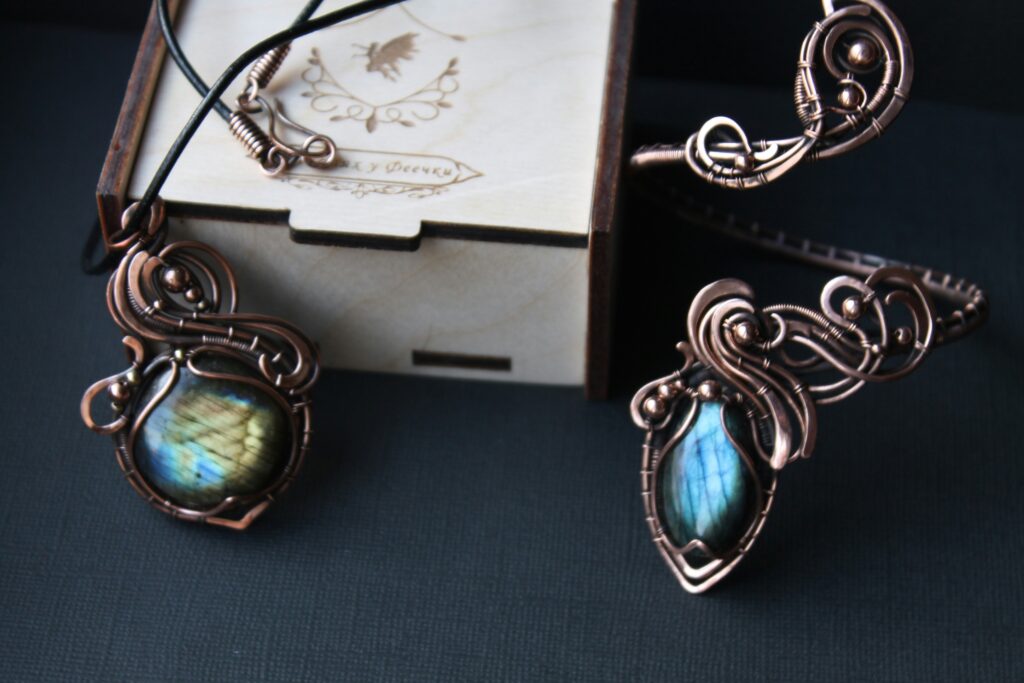
Copper is one of the oldest sacred metals on earth. Long before iron or steel shaped human civilization, copper was already being worked, traded and treated as something more than material. It was warm to the touch, it gleamed like a low sun, it bent without breaking. Cultures separated by oceans came to the same conclusion: this metal carries something alive in it.
In witchcraft today copper is valued as a conductor, an amplifier and a vessel. It moves energy. It holds intention. It links the practitioner to a planetary current that runs through love, harmony, creativity and abundance. Understanding why copper works in magic means following it back through smiths and seeresses, through planetary alchemy and Norse burial mounds, through every hand that ever set a copper coin at a threshold and felt something shift.
Copper Through the Ages: From the First Smiths to Sacred Metal
The earliest confirmed copper working dates to around 9000 BCE in the region of modern-day Turkey and the Fertile Crescent. By 5000 BCE, smelting was practiced across Egypt, Mesopotamia and the Indus Valley. Copper tools, mirrors and jewelry were among the most prized objects in ancient graves, placed with the dead as offerings and protections for the journey ahead.
In Egypt copper was linked to Hathor, goddess of love, beauty and music. She was the patron deity of the Sinai Peninsula, where Egypt’s most important copper and turquoise mines were located, and she was known by the title “Lady of Malachite,” malachite being a copper ore the Egyptians ground into green pigment for cosmetics and ritual use. A temple to Hathor stood at Serabit el-Khadim, at the heart of the copper mining region, where miners left inscribed offerings to her before and after expeditions. Egyptian mirrors were made of polished copper or bronze and their handles were frequently carved into Hathor’s form, placing the goddess literally at the center of the most personal Venusian act: the moment of seeing your own face.
The Bronze Age in Scandinavia (roughly 1700 to 500 BCE) brought copper alloy into the ritual landscape of northern Europe. Elaborate bronze horns called lurs were used in ceremony, and copper alloy objects were deliberately deposited in bogs, rivers and sacred sites. These were not accidents or losses. They were offerings, placed where the boundary between this world and another was considered thin.
The Seven Sacred Metals: Where Copper Fits
Medieval alchemists inherited a system from classical antiquity that linked each of the seven known metals to a planet, a day of the week, a set of qualities and a mode of spiritual action. This system remains one of the most useful frameworks in Western occultism for understanding how metals behave in ritual.
| Metal | Planet | Day | Primary Magic |
|---|---|---|---|
| Gold | Sun | Sunday | Vitality, success, solar deity work, authority |
| Silver | Moon | Monday | Intuition, psychic work, lunar magic, protection |
| Iron | Mars | Tuesday | Protection, banishing, strength, boundaries |
| Mercury | Mercury | Wednesday | Communication, travel, wit, change |
| Tin | Jupiter | Thursday | Abundance, expansion, luck, growth |
| Copper | Venus | Friday | Love, harmony, creativity, prosperity |
| Lead | Saturn | Saturday | Binding, time, endings, deep transformation |
Copper sits at the heart of this system, not at its extremes. It is neither the commanding energy of gold nor the cold boundary of lead. It moves in the middle register, harmonizing, attracting, softening. When you choose copper for spellwork you are aligning with a force that has been recognized as Venusian for over two thousand years of continuous tradition.
Venus, Aphrodite and the Feminine Current
The Greek word for copper, khalkos, and the Latin cuprum both point to Cyprus, the island sacred to Aphrodite. It was there that her most important temple stood, and there that some of the ancient world’s richest copper deposits were found. The metal and the goddess became inseparable in the ancient mind, not because of an arbitrary label but because of a perceived resonance. Both were warm, both were attractive in the literal sense of drawing things toward them, and both were associated with beauty that had real power.
In Roman practice copper was given to Venus. Mirrors made of polished copper were used in her rites. Coins minted with her image were carried as love talismans. The association between copper and attraction, between the metal and the capacity to draw what you desire, was not metaphor. It was understood as a direct material correspondence: working with copper placed you in the current of Venus, and her current brought things together.
This quality of drawing and harmonizing is at the center of how copper functions in magical practice. It does not banish, command or bind. It attracts, connects and conducts.
Freyja, Friday and the Norse Tradition
The connection between copper, Venus and Friday runs deeper than Latin. In Germanic and Norse languages, Friday is Freyja’s day. Freyja is the Norse goddess of love, fertility, magic and beauty, and she is functionally the Norse equivalent of Venus and Aphrodite. The word for Friday in English, Swedish, Danish and Norwegian all derive from her name or from Frigg, her closely related counterpart.
Freyja was known for her passion for beautiful objects, for gold and jewelry, for the famous necklace Brísingamen forged by dwarves. She wept tears of gold when separated from her husband. In modern terms she would be the planetary patroness of copper, the same way Venus holds that role in the Latin alchemical tradition. Practitioners working in a Norse or Heathen framework can approach copper through Freyja rather than Venus with full historical legitimacy.
The archaeology supports this. Confirmed völva burials contain metalwork as ritual equipment. The Fyrkat burial in Denmark included two bronze bowls believed to have originated in Central Asia, placed with the woman’s other ritual tools. The Köpingsvik burial on Öland included a bronze bowl from Western Europe alongside the seeress’s iron staff. Bronze is a copper alloy, and these bowls were the practitioner’s working vessels, not decorative objects. The material was chosen deliberately.
Practically this means that Friday is the strongest day to work with copper, and that any workings aligned with love, beauty, abundance or creative power can draw on the Freyjan current as naturally as on the Venusian one.
Copper as a Vessel: Bowls, Jars and Living Containers
One of the most overlooked dimensions of copper in witchcraft is its function as a container rather than a tool. The material a vessel is made from matters. It is not inert. It shapes what happens inside it.
Copper and brass cauldrons are specifically associated with healing and prosperity magic because of their conductive quality. A glass jar seals an intention. A copper bowl amplifies it. When you place herbs, flowers, offerings or spell components in a copper vessel, you are not just storing them. The copper conducts the energy outward and sustains it, acting like a slow-burning broadcast.
This has practical applications. Copper bowls placed on an altar hold water for scrying or offerings with a warmth that silver and iron do not carry. A copper pot used to hold seasonal flowers brings the energy of Venus into the corner of a room even without any formal ritual. Spell jars assembled in or near copper take on a Venusian amplification. Copper dishes placed under candles during prosperity or love work strengthen the working simply by being present.
The völva bowls found in that Viking burial are not so far removed from this understanding. The material was chosen deliberately. The practitioner knew what copper did.
For practical purposes, if you use copper vessels in your work, treat them as active participants rather than passive containers. Cleanse them regularly, charge them with intention and be aware that they are always doing something, even when nothing formal is happening.
Copper in Modern Witchcraft: Spells, Tools and Everyday Practice
Prosperity jars and wealth work
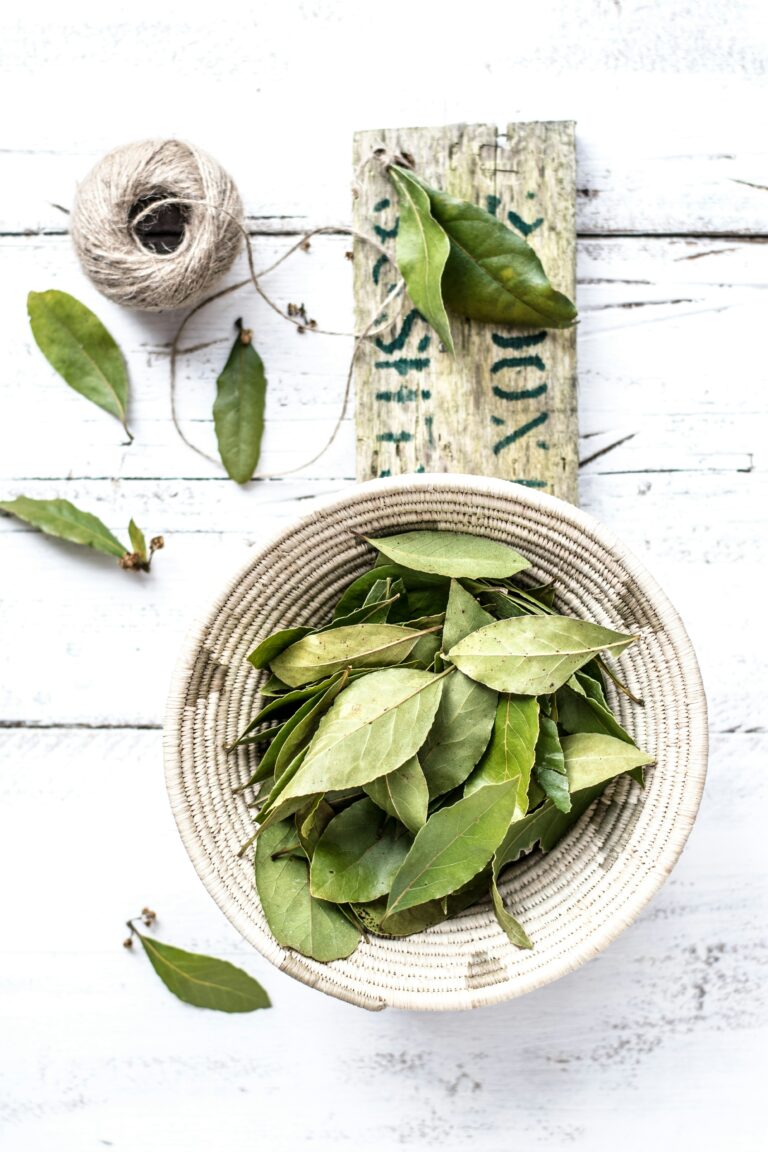
Copper coins, particularly older ones with a higher copper content, are placed in prosperity jars alongside herbs such as cinnamon, bay leaf and basil. The combination activates Venusian abundance energy and the earthy, conductive quality of the metal moves it through the jar. A single copper coin carried in a wallet or purse is one of the simplest forms of ongoing prosperity work.
Wands and rods
Copper wands or rods tipped with copper are used to direct energy during spellcasting. The belief across many traditions is that copper channels energy more cleanly than wood alone, with a precision and warmth that suits love work, healing and creative magic in particular.
Altar tools and offerings
Copper dishes, bowls and candleholders on an altar maintain a low-level Venusian charge throughout daily life. Placing copper near rose quartz amplifies the heart-centered energy of both. Offerings of fresh flowers, honey or rose oil placed in copper vessels are well-suited to working with Freyja, Aphrodite, Hathor or Venus in any of her forms.
Jewelry
Copper bracelets and pendants are worn to keep intention close to the body. They are best consecrated on a Friday, anointed with rose or patchouli oil, and charged under a waxing or full moon for attraction work.
Timing
The most effective times to work with copper are: Friday (Venus day), the hour of Venus (calculable with a planetary hours table), the waxing moon for attraction and the full moon for amplification.
Copper and the Chakras
In energy work, copper is understood as a physical conductor of subtle current, carrying vitality and intention the way copper wire carries electricity. This is not a modern invention. The understanding of copper as a conduit for life force appears in Ayurvedic tradition, in alchemical practice and in modern energy work independently.
Copper is most directly associated with the heart chakra (Anahata) and the sacral chakra (Svadhisthana). At the heart center it encourages compassion, emotional openness and the capacity to give and receive love. Its warm reddish tone resonates with the color frequencies of the heart. At the sacral center it stimulates creativity, sensuality and vitality.
More broadly, copper is used to move stagnant energy and restore circulation throughout the full chakra system. Placing copper rods or coins along the midline of the body during meditation is a practice found in both folk and formalized healing traditions. Wearing copper as a bracelet near the wrist keeps the energy flowing through the hands, which is particularly useful for practitioners who work with touch or gesture.
How to Cleanse and Consecrate Copper
Copper is an active metal and it accumulates energy over time. Regular cleansing keeps it clear and ensures it responds to new intentions rather than carrying old ones.
Physical cleansing: Wash with mild soap and warm water for general maintenance. For deeper cleansing, a paste of vinegar, salt and a small amount of flour will remove tarnish and energetically reset the surface. Rinse thoroughly and dry well.
Energetic cleansing: Pass through incense smoke (frankincense, sandalwood or rose), leave in moonlight overnight or bury briefly in clean earth.
Consecration: Hold the object, breathe steadily and set a clear intention. You can speak it aloud or form it in your mind. Anoint with rose oil for love and harmony work, with cinnamon oil for prosperity, with sandalwood for general spiritual amplification.
Repeat this process at each new moon or whenever you begin a new working.
Precautions When Working with Copper
Copper is generally safe but requires care. It can leave a green patina on skin due to oxidation, which is harmless for most people but may cause mild irritation in those with sensitive skin. If you notice redness or itching, remove jewelry and give the skin time to recover.
Clean copper tools and jewelry regularly. Corroded or heavily tarnished pieces should not be placed directly on skin and should be cleaned before ritual use. Copper that has deteriorated significantly should be retired rather than repurposed.
Copper should never be ingested. Drinking vessels, if used for magical purposes, should be cleaned thoroughly between uses and copper water should not be consumed in large quantities or over extended periods without understanding the traditional context, which involves specific vessel types and limited amounts.
Timing for Copper Work
Friday is the day of Venus in every tradition that uses a planetary week, and Freyja’s day in the Norse naming system. All copper workings are strengthened by being performed on Friday. Planetary hours of Venus can be calculated for any day of the week using a planetary hours table, which provides additional windows when Friday is not practical.
The waxing moon is the most effective lunar phase for copper attraction work: drawing love, harmony, abundance and creative energy toward you. The full moon amplifies and completes. The waning moon is less suited to copper’s primary functions but can be used for releasing what blocks the heart or suppresses creativity.
Within the day, the hour of Venus at dusk has particular resonance for love and harmony work, as it corresponds to the transitional light that softens edges and brings things together.
Deities Associated with Copper
Venus (Roman): love, beauty, desire, harmony, fertility. The primary patron of copper in the Western alchemical tradition. Copper on a Venus altar, particularly with rose petals and rose oil, creates a direct material link to her current.
Aphrodite (Greek): the Greek equivalent of Venus, born from sea foam, associated with the island of Cyprus where both the goddess and copper deposits were celebrated together. The Greek word for copper, khalkos, and the Latin cuprum both point to Cyprus as the origin point of this correspondence.
Freyja (Norse): love, beauty, magic, fertility, the battlefield and the dead. The Norse equivalent of Venus, whose day is Friday in every Germanic language. The most appropriate patron for copper work in a Norse or Heathen framework.
Hathor (Egyptian): love, beauty, music and the protection of miners and craftspeople. Her temple at Serabit el-Khadim stood at the heart of Egypt’s copper mining region in the Sinai. She was known as the Lady of Malachite, malachite being the copper ore ground into green pigment for ritual and cosmetic use. Copper mirrors were offered at her temples, their handles carved into her image.
Ishtar (Mesopotamian): love, war and the divine feminine in its most complete form. The Mesopotamian equivalent of Aphrodite and Venus, associated with the morning star and with the full range of desire and power that the Venusian current carries.
Is Copper Feminine?
In the Western alchemical and astrological tradition, Venus is feminine and copper carries that designation. This is consistent across Greek, Roman, Arabic and medieval European sources and remains the standard in modern Western occultism.
The qualities copper carries, attraction, harmony, receptivity, creativity and the capacity to draw things toward you through affinity rather than force, have been described as feminine in this tradition. But these are qualities, not a gender. A practitioner of any gender working with copper is not working against the metal’s energy. They are working with its actual qualities, which appear in the record of every culture that recognized copper as something more than material.
Freyja, the Norse patron of this current, is a goddess who also chooses half of the battle-dead and travels to war. Hathor is also the Eye of Ra, a fierce solar force when roused. Ishtar descends to the underworld and returns. The Venusian current is warmer than Mars but it is not passive. Copper conducts. It moves things.
Frequently Asked Questions
How does copper work as a magical conductor?
Copper’s electrical conductivity, the highest of any common metal, has long been used as a metaphor and a model for its spiritual function. In witchcraft copper is understood to channel and amplify energy rather than generate it. It moves what is already present: intention, life force, prayer or desire. This is why it is used in wands, vessels and amulets rather than as a standalone power source. It serves what you bring to it.
Which planet rules copper?
Venus rules copper in the classical alchemical and astrological system of seven sacred metals. This assignment is at least two thousand years old and appears consistently across Greek, Roman, Arabic and medieval European sources. In the Norse tradition the equivalent patron is Freyja, whose day (Friday) corresponds directly to Venus’s day in the Latin naming system.
What is the best day to work copper magic?
Friday is the traditional day for copper work, being the day of Venus in the Latin tradition and Freyja in the Norse tradition. For amplification, time your work to a waxing or full moon. Venus hours, which can be calculated with a planetary hours table for any day of the week, offer additional windows of favorable timing if Friday is not practical.
Can I use any copper object in witchcraft?
Yes, with the same approach you would bring to any magical tool. The object should be cleansed, consecrated with clear intention and kept for dedicated use when possible. Mass-produced copper items work as well as handcrafted ones once they have been cleared of ambient energy and charged with purpose. Older coins with a higher copper content are particularly valued in prosperity work because of their history and material quality.
Why does copper tarnish and what does it mean energetically?
Copper oxidizes when exposed to air and moisture, forming a greenish layer called verdigris. This is a natural chemical process and does not indicate that the metal has lost its potency. Some practitioners see tarnish as a sign that the copper has been actively working and absorbing energy. Regular cleansing removes it physically and energetically, restoring the metal to a cleaner state. Heavily corroded copper should be cleaned before ritual use but is not permanently compromised.
Is copper linked to any specific deities beyond Venus?
Beyond Venus and her equivalents, copper has associations with Hathor in Egyptian tradition, who was linked to copper through language and temple practice. In Mesopotamian tradition copper was used in the worship of Ishtar, the goddess of love and war whose qualities closely mirror those of Venus and Freyja. These three goddesses, Hathor, Ishtar and Aphrodite/Venus, represent the same planetary current expressed through different cultural forms. Working with copper connects you to all of them through the shared Venusian resonance of the metal.
Photo by The Witch’s House on Unsplash



[…] Copper […]
[…] Copper […]