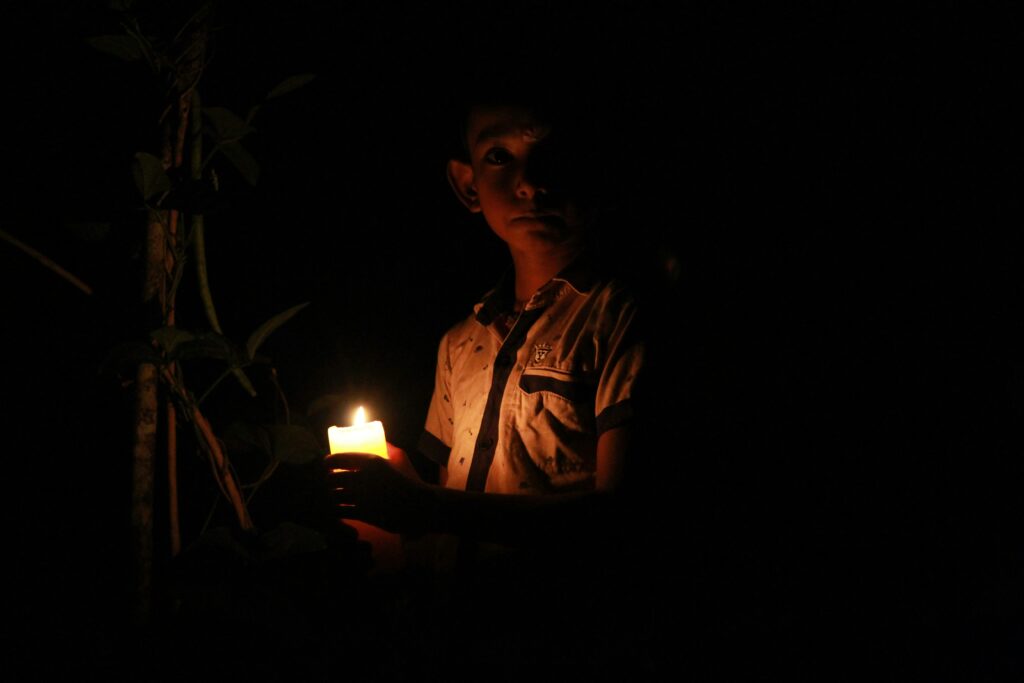
A changeling is a supernatural being from European folklore, primarily found in Irish, Scottish, and Scandinavian traditions. Folklore describes a changeling as a fairy or magical entity that is secretly left in place of a human child, while the “real” child is taken to the fairy world. This belief reflects the deep human fascination with the unseen world and the fragile boundary between humans and the supernatural.
Where Does the Changeling Legend Come From?
The myth of the changeling dates back to the Middle Ages and earlier in Celtic and Norse cultures. In Ireland, Scotland, and parts of Scandinavia, fairy lore often included stories of children mysteriously disappearing or being replaced.
Before modern medicine, communities used the changeling legend to explain infant mortality, sudden illness, or unusual behavior in children. A child who fell ill, behaved strangely, or developed differently might be believed to have been swapped with a fairy child.
The changeling myth also reflects cultural fears and respect for the unseen world. Fairies were believed to inhabit forests, hills, or other liminal spaces, and human interactions with these realms could be dangerous or unpredictable.
What Does a Changeling Look Like?
Changelings are usually described as:
- Sickly or weak compared to ordinary children
- Unusually clever or wise for their apparent age
- Mischievous or difficult to manage
- Sometimes appearing as elderly fairies in a child’s body
Stories often describe how changelings can behave in strange or unnatural ways, drawing attention to their otherworldly origin. In some tales, they may reveal their true nature after a period of time, either through magical abilities or by acting in ways a normal child never would.
What Do Changelings Do?
Changelings are not always malevolent, but folklore suggests they can:
- Bring misfortune or illness to a household
- Act strangely or disrupt family life
- Use magical powers to manipulate or influence humans
- Remain in the human world while the real child lives in the fairy realm
Some tales describe changelings as testers of human cleverness, challenging families to outwit the fairy world in order to retrieve the real child.
How Did People Protect Against Changelings?
Folkloric remedies varied by region, often combining ritual, caution, and cleverness:
- Iron or salt: Believed to repel fairies
- Fire or loud noises: Used to scare the fairy into returning the real child
- Offerings: Food, milk, or gifts left to appease fairies
- Observation: Watching for unusual behaviors or magical signs to identify a changeling
In many stories, the emphasis is on respecting the fairy world while protecting the child, as harming the changeling could provoke fairy revenge.
Why Are Changelings Still Fascinating Today?
The changeling myth continues to captivate because it explores identity, the unseen, and human vulnerability. It also reflects ancient attempts to explain phenomena like illness, developmental differences, or sudden misfortune in a world without modern science.
In modern media, changelings appear in literature, movies, and games as symbols of displacement, mystery, and the tension between human and magical realms. They remind us of the fragility of life and the enduring allure of the supernatural.
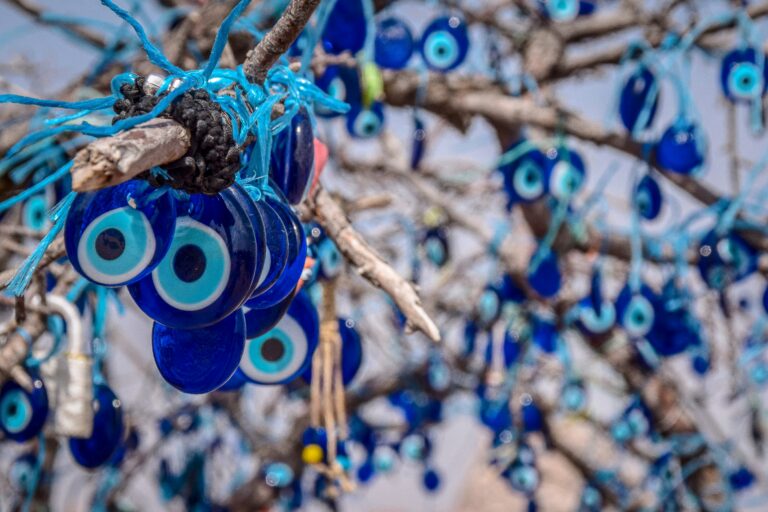
Photo by Rajesh Ram on Unsplash