

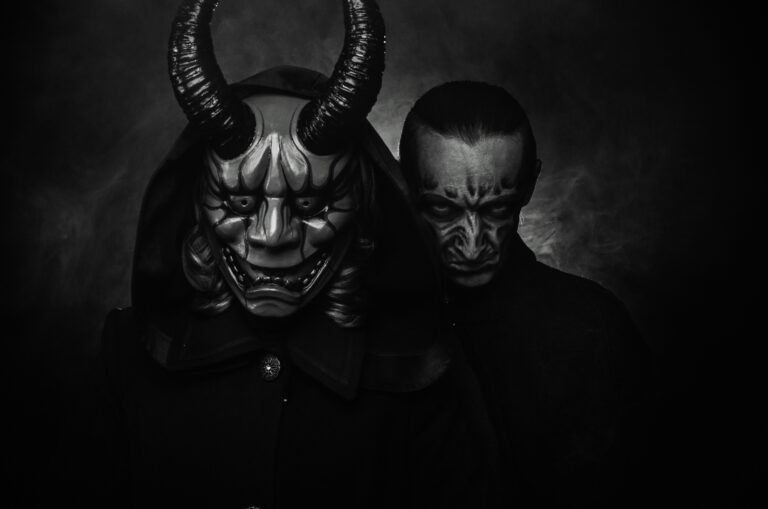
Throughout history, countless people have described waking in the night unable to move, unable to speak, barely able to breathe, while something dark and heavy waited in the room. The experience is among the most consistently terrifying in human life: full consciousness combined with complete physical helplessness, and a presence that feels entirely real. This is sleep paralysis, and the shadowy entity that so many people perceive during it has been given a different name in every culture that has tried to explain it.
Understanding the sleep paralysis demon means understanding both what is happening in the brain and what humanity has believed about that experience for thousands of years. The two accounts are not as far apart as they might seem.
What Happens During Sleep Paralysis?
Sleep paralysis is a neurological event that occurs at the boundary between REM sleep and wakefulness. During REM sleep, the brain generates vivid dreams and simultaneously sends signals that suppress voluntary muscle movement. This mechanism, called REM atonia, exists to prevent the body from physically acting out what the dreaming mind is experiencing. It is entirely normal and protective.
The problem arises when the transition out of REM sleep is incomplete. The brain becomes conscious, aware of the surrounding environment and fully awake in every cognitive sense, but the muscle suppression continues. The result is a period of paralysis, typically lasting from a few seconds to two minutes, during which the person cannot move, speak or signal distress in any way.
What makes sleep paralysis more than a simple inability to move is the perceptual phenomena that often accompany it. The brain is in a state where dream-generation systems are still partially active while waking perception has resumed. This produces hallucinations that are distinguished from ordinary dreaming by their apparent reality. The room looks correct. The surroundings are accurate. But something in the room does not belong there.
Why Does a Demon Appear?
Researchers studying sleep paralysis have documented that a significant proportion of episodes involve three specific experiences appearing together: the sense of a presence in the room, a feeling of pressure or weight on the chest and intense fear disproportionate to the immediate situation. These three elements recur across cultures and centuries with striking consistency.
The neurological explanation involves the amygdala, the brain region responsible for threat detection and fear responses, which remains highly active during sleep paralysis while the prefrontal cortex, responsible for rational assessment, is still coming online. The brain detects a threat state, generates a fear response and attempts to explain that fear by constructing a perceived source. The result is an entity that feels as present and physically real as anything in waking life.
The form the entity takes depends on the cultural context of the person experiencing it. The brain reaches for available templates. In medieval Europe those templates included demons and witches. In contemporary culture they include shadow figures, intruders and, increasingly, alien abductors. The underlying neurology is identical. The interpretation is culturally learned.
The Incubus and the Succubus
Among the most historically significant interpretations of sleep paralysis is the incubus. In medieval European and earlier Near Eastern tradition, the incubus was a male demon believed to prey on women during sleep, pressing down on them, stealing breath and vitality, sometimes causing illness or pregnancy. The name comes from the Latin incubare, to lie upon, which describes the physical sensation of the experience almost exactly.
Folklorist David Hufford, in his 1982 study The Terror That Comes in the Night, made a compelling case that the incubus legend was generated by sleep paralysis experiences. The classic incubus encounter, waking unable to move, feeling a weight on the chest, sensing a threatening male presence, maps directly onto the documented hallucination profile of sleep paralysis with the added layer of sexual threat that medieval theology assigned to nocturnal demons.
The succubus, the female counterpart who was said to prey on sleeping men in the same way, represents the same experience from the other direction. Both figures are likely, at their historical root, attempts to explain and name what sleep paralysis feels like. The full stories of both the incubus and succubus are explored in their own articles on this site.
Sleep Paralysis Across Cultures
One of the most compelling pieces of evidence that sleep paralysis experiences are genuinely universal is the way they appear independently in cultures with no historical contact, always producing variations on the same core description: presence, pressure, helplessness, fear.
In Japan the experience is called kanashibari, meaning bound in metal, a description that captures the sensation of paralysis precisely. The cause is attributed to spirits or curses binding the body in place.
In Newfoundland, Canada, the entity is called the Old Hag, a witch-like figure who sits on the sleeper’s chest and cannot be moved. The term hag-ridden entered English as a description of someone who woke exhausted, as if they had been ridden through the night.
In Scandinavia the same entity is known as the mara, a spirit that presses down on the chest and brings nightmares. The word mara is the direct etymological ancestor of the word nightmare, which originally meant a spirit that rides sleepers, not simply a bad dream.
In the Arabic and Islamic tradition, the experience is often attributed to a jinn, an invisible entity capable of possession and torment. Islamic protective practice recommends reciting Ayat al-Kursi and other verses before sleep specifically as a ward against such encounters.
In West African traditions and in communities of African diaspora in the Americas, the figure is often described as a witch or spirit sitting on the chest, associated with envy, sorcery or the interference of the dead.
In South and Central American folklore the entity may take the form of a dead relative or a punishment spirit. The Peruvian pisjtaku, a vampire-like being that drains fat and vitality, shares thematic overlap with the pressure-on-chest experience.
What each of these figures shares is not a common mythological source but a common neurological one. The experience generates the description and the culture provides the name.
Magical and Spiritual Interpretations
From an occult or metaphysical perspective, sleep paralysis sits in particularly interesting territory because it occurs at the hypnagogic or hypnopompic threshold, the liminal states between sleep and waking that have historically been associated with genuine spiritual contact, prophetic dreams and access to non-ordinary reality.
Some practitioners interpret the sleep paralysis presence not as a hallucination but as a genuine entity, whether a parasitic spirit drawn to the vulnerability of the sleeping state, a manifestation of repressed emotional content taking a temporary form, or a shadow entity feeding on the fear generated during the episode. Regardless of whether these interpretations are taken literally, they point to something real: the sleep paralysis state is not ordinary consciousness and the experiences it produces are not ordinary experiences.
Witches and healers across many traditions have developed protective practices specifically for the sleeping state. Salt placed at thresholds or near the bed is a near-universal protective measure in European folk magic. Protective herbs including mugwort, rue and rosemary are burned, placed in sachets or infused into bedding. Mugwort has a particular association with dream work and is believed by many practitioners to strengthen waking awareness within the dream state, making it easier to recognize and respond to threatening presences.
Some traditions recommend calling on protective ancestors or deities before sleep as a form of energetic guardianship. Others work with cleansing smoke, protective crystals such as black tourmaline or obsidian placed near the sleeping space, or affirmations of boundary-setting spoken before bed.
Within Western esoteric traditions, there is also a lineage of practitioners who have deliberately cultivated the sleep paralysis threshold as a launching point for astral projection or lucid dreaming, working with the state rather than against it. From this perspective the fear itself is the primary obstacle. Practitioners who learn to remain calm during the onset of paralysis describe the transition into conscious dreaming or out-of-body experience as becoming accessible.
How to Protect Yourself
From a practical magic standpoint, the most consistently recommended measures involve preparing both the physical space and the internal state before sleep. Cleansing the bedroom with smoke, salt or sound removes accumulated negative energy and establishes the space as protected. Protective charms, amulets or crystals placed near the bed provide ongoing energetic support. Setting a deliberate intention before sleep, whether framed as a prayer, an affirmation or an energetic boundary, signals to whatever operates in the liminal state that the space is not open.
From a scientific standpoint, sleep paralysis is more common in people with irregular sleep schedules, high levels of stress or anxiety, sleep deprivation, or a habit of sleeping on the back. Sleeping on your side reduces frequency for many people. Consistent sleep and wake times help stabilize REM cycles. Avoiding caffeine, alcohol and heavy meals in the hours before bed reduces sleep disruption. When an episode begins, focusing attention on moving a single small muscle, a finger, a toe, the corner of the mouth, is the most reliable method of breaking the paralysis.
Between Science and Folklore
Sleep paralysis does not require a choice between the neurological explanation and the spiritual one. Both are describing something real. The neuroscience accounts for the mechanism. The folklore accounts for the meaning, the cultural processing of an experience that is genuinely strange and genuinely frightening, and the development of practices for managing it.
The entity that sits on the chest, whatever name it carries in whatever tradition, represents something that human beings have needed to confront since long before there were words for what happens in the brain during REM sleep. That confrontation, whether through prayer, protective herbs, medical treatment or deliberate dream practice, is itself meaningful. The demon at the threshold has always been an invitation to understand the boundary between sleep and waking more deeply.
Frequently Asked Questions
What is the sleep paralysis demon?
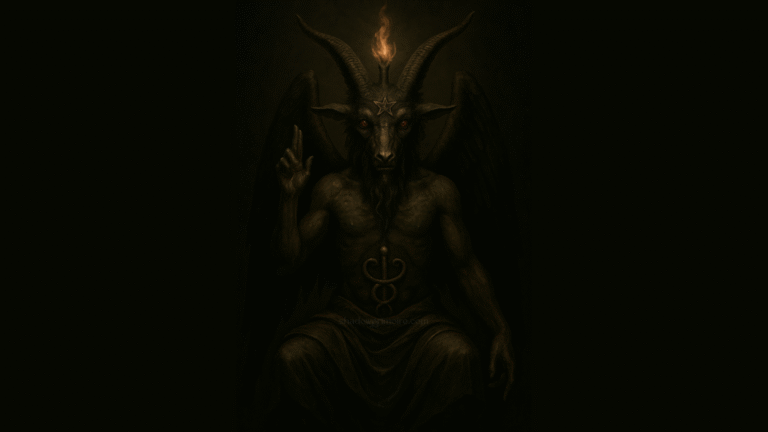
The sleep paralysis demon is the name given to the entity or presence that many people perceive during episodes of sleep paralysis. It is not a single specific demon but a category of experience, a threatening figure sensed in the room during paralysis, that every culture has interpreted through its own available mythology. Neurologically it is a hallucination produced by the brain’s fear systems activating in a state of partial wakefulness.
Is sleep paralysis dangerous?
Sleep paralysis is not physically dangerous. The paralysis resolves on its own, typically within a few seconds to two minutes, and leaves no lasting physical effects. It can be deeply frightening and, in people who experience it frequently, may cause significant anxiety around sleep. Chronic sleep paralysis may be worth discussing with a doctor, particularly if it is associated with other symptoms of a sleep disorder such as narcolepsy.
Why do people see the same demon during sleep paralysis?
People do not technically see the same demon, but they describe remarkably similar experiences: a presence, a weight on the chest and intense fear. This consistency exists because it reflects the consistent neurological signature of sleep paralysis rather than a shared mythology. The brain in this state generates the same type of threat hallucination because the same neurological conditions are present. The cultural interpretation of what the presence is varies enormously.
What is the relationship between the incubus and sleep paralysis?
The incubus is widely considered by researchers to be the medieval European cultural interpretation of sleep paralysis. The classic incubus encounter, waking unable to move with a threatening male presence pressing down, is a precise description of sleep paralysis with its characteristic hallucinations. The incubus was the available explanatory framework for that experience in a culture steeped in demonology. The full account of the incubus is explored in the incubus.
How do you stop sleep paralysis?
From a medical standpoint, the most effective approaches involve improving sleep hygiene: keeping consistent sleep times, sleeping on your side, reducing stress and avoiding substances that disrupt REM sleep. During an episode, focusing on moving a small muscle can help break it sooner. From a magical or spiritual standpoint, protective practices before sleep, including salt, protective herbs and intentional boundary-setting, are recommended across multiple traditions. Many practitioners find that combining both approaches is more effective than either alone.
Can sleep paralysis be used for astral projection?
Some practitioners in Western esoteric traditions have deliberately cultivated the sleep paralysis threshold as a doorway to astral projection or lucid dreaming. The hypnopompic state, in which the body is immobile but the mind is conscious, creates conditions that some describe as ideal for projecting awareness outside the physical body. This approach requires learning to remain calm during the onset of paralysis rather than reacting with fear, which is challenging but reportedly possible with practice.
Photo by Mohamed Jamil Latrach on Unsplash




[…] The full account of sleep paralysis, including its cultural variations across Japan, West Africa, Scandinavia and the Islamic world, is covered in the sleep paralysis demon. […]