

Few figures in folklore carry the weight of the incubus. He is the demon who arrives in the dark, who pins the sleeper down, who inhabits the space between dream and waking where the body cannot move and the mind cannot reason. His legend stretches from ancient Mesopotamia through medieval theology into modern neuroscience, and the experiences that gave rise to him have never stopped happening. People still wake in the night, frozen and afraid, with a presence looming over them. The incubus is the oldest explanation for that fear.
What Does Incubus Mean?
The word comes from the Latin incubare, meaning to lie upon or to brood over. It shares its root with the word incubate, and that overlap is not accidental. The incubus was imagined as something that settled onto the body, pressing down, smothering breath, drawing out vitality. The Romans used incubus to describe a nightmare, specifically one with a physical, oppressive quality. The weight on the chest was the demon himself.
The feminine counterpart, the succubus, takes her name from succubare, to lie beneath. Together they represent the two directions of nocturnal assault in the Christian demonological tradition: the incubus preying on women, the succubus on men.
Ancient Origins: Mesopotamia and the Lilu Spirits
The direct ancestors of the incubus appear in Akkadian and Babylonian texts as the lilu and ardat lili, spirits associated with the night, with storms and with predatory sexuality. The ardat lili was a female spirit who attacked men. Her male counterpart, the lilu, assaulted women. These were not yet the systematized demons of later theology, but the core fear was already present: something in the dark that took what it wanted from sleeping people.
These Mesopotamian spirits fed into Jewish folklore over centuries of cultural contact. By the time of the Talmud and later medieval Jewish mysticism, the tradition had a face and a name.
Lilith: The Original Night Predator
The connection between the incubus tradition and Lilith is direct and underacknowledged in most modern retellings. In Jewish folklore, Lilith is described as a night-wandering spirit who comes to men in their sleep, seduces them and drains their vitality. She is also credited with attacking women in childbirth. She is, in other words, both succubus and a figure whose mythology parallels the incubus almost exactly.
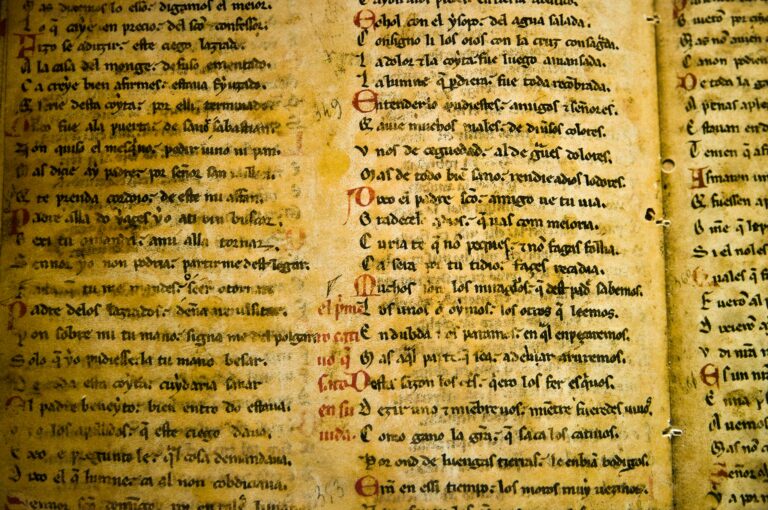
The Alphabet of Ben Sira, a medieval Jewish text dated roughly to the eighth through tenth century CE, presents Lilith as Adam’s first wife, created equal to him, who fled the Garden of Eden rather than submit. After her exile she became associated with Samael, a figure in Jewish mysticism connected to death and accusation, and she was said to give birth to demonic offspring. The fear of Lilith infiltrating the dreams of sleeping men, and the protective amulets inscribed with angelic names that Jewish households used to ward her off, are part of the same tradition that produced the incubus in Christian Europe.
If you want to understand where the incubus comes from, Lilith is an essential thread. Her story is explored in depth in the Lilith mythology.
The Incubus in Medieval Christian Demonology
Medieval Europe inherited the incubus from earlier traditions and systematized him within Christian theology. He became one of the most discussed entities in demonological literature because he raised uncomfortable questions that theologians felt compelled to answer.
Thomas Aquinas addressed the incubus directly in the Summa Theologica, formulating what became the dominant medieval explanation: demons were capable of having children with humans not through their own reproduction but through a transfer of human material. A succubus, in this view, would collect semen from a man. An incubus would then use it to impregnate a woman. The result would be a child of human parentage but demonic influence.
This theory appears again in the Malleus Maleficarum, the 1487 witch-hunting manual written by Heinrich Kramer. The Malleus treated incubi as literal realities and provided detailed accounts of their methods. Witches, it claimed, had regular congress with incubi, which formed part of the basis for prosecuting women for heresy. The incubus was not just a theological curiosity but a judicial weapon.
The most famous legendary child of an incubus is Merlin. Geoffrey of Monmouth, writing in the twelfth century, described Merlin’s father as an incubus who had appeared to a noblewoman. This was not presented as scandalous but as an explanation for Merlin’s preternatural gifts. The supernatural origin conferred power.
Another significant figure is Asmodeus, a demon described in the deuterocanonical Book of Tobit as an entity obsessed with a woman named Sarah, killing each of her seven husbands on their wedding nights. Asmodeus is associated with lust and possessiveness and is classified in various traditions as a king of demons with dominion over carnal desire. He represents the incubus archetype at its most destructive.
Sleep Paralysis and the Incubus
Modern sleep science offers a different explanation for what medieval people called the incubus, and it is one that makes the legend considerably less mysterious without making the experience any less terrifying.
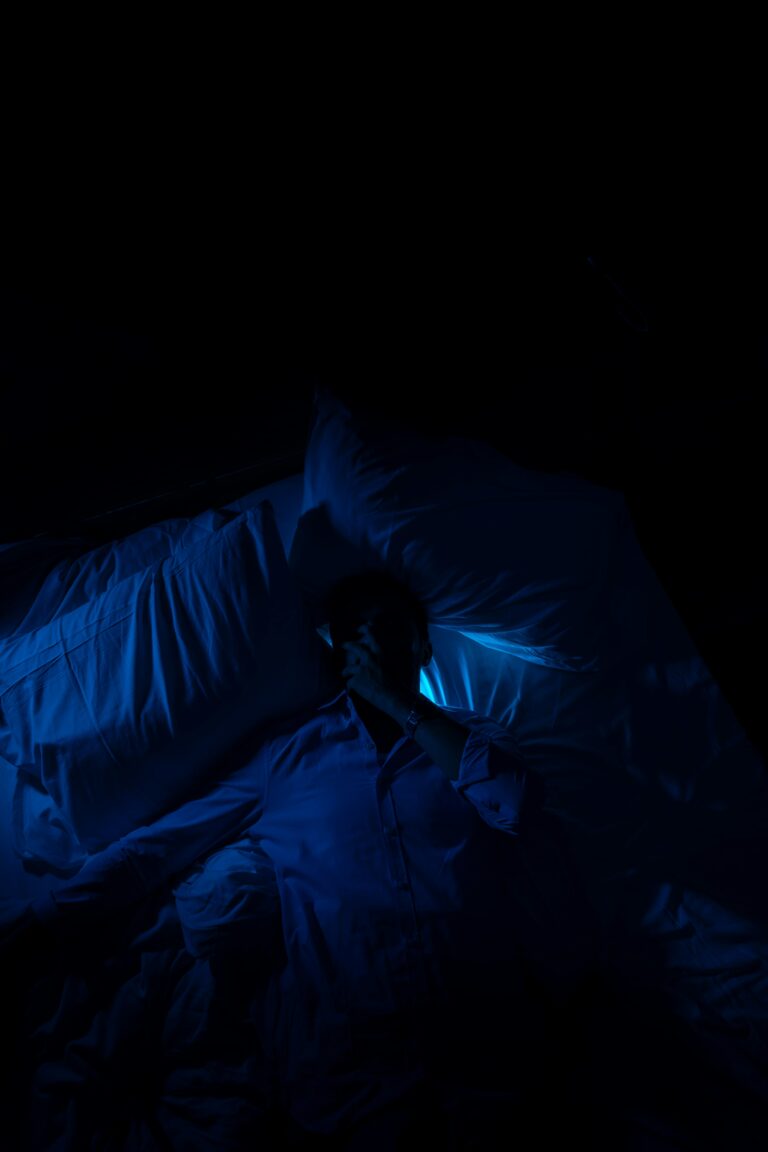
Sleep paralysis occurs when the mechanisms of REM sleep overlap with wakefulness. During REM sleep the brain suppresses voluntary muscle movement, preventing the sleeper from physically acting out dreams. When a person wakes while this suppression is still active they find themselves conscious but completely unable to move. The episode typically lasts from a few seconds to a couple of minutes, though it can feel much longer.
What makes sleep paralysis relevant to the incubus legend is what often accompanies it. Research, particularly the work of folklorist and sleep researcher David Hufford in his 1982 study The Terror That Comes in the Night, documented that a large proportion of people experiencing sleep paralysis also perceive a presence in the room, feel a weight or pressure on the chest and experience intense fear. Hallucinations during the hypnagogic or hypnopompic state, the transition between sleep and waking, can produce visual, auditory and tactile experiences that feel entirely real.
In other words, the classic incubus encounter, waking unable to move, feeling something pressing down, sensing a malevolent presence, is a recognizable description of sleep paralysis with accompanying hallucinations. This is likely how the legend was born and why it appears in so many independent cultural traditions. The experience is universal because the neurology is universal.
The full account of sleep paralysis, including its cultural variations across Japan, West Africa, Scandinavia and the Islamic world, is covered in the sleep paralysis demon.
The Incubus in Occult Tradition
Outside of mainstream Christian theology, occult traditions approached the incubus differently. Some grimoires and magical texts described rituals for contacting or invoking incubi, framed as a means of acquiring forbidden knowledge or power. These practices were universally treated as dangerous, both because of the spiritual corruption they were believed to cause and because of the energy drain associated with the entity.
The concept of the incubus as an energy-draining entity has survived into contemporary occult practice through the idea of psychic vampirism and parasitic attachments. From this perspective the incubus represents a class of entity that feeds on sexual or life-force energy, leaving the person weakened, anxious and depleted over time.
Protection Against the Incubus
Across traditions the methods for warding off incubi follow recognizable patterns. Salt placed near the bed or at thresholds is common to European folk magic and is thought to prevent entry. Iron, particularly iron horseshoes, was used in British and Germanic traditions as a ward against supernatural entities of all kinds.
Protective herbs including mugwort, rue and rosemary have long associations with nocturnal protection and were placed in sachets or burned as smoke to cleanse the sleeping space. Mugwort in particular is associated with dream work and is believed by some practitioners to strengthen the sleeper’s awareness within dreams, making them less vulnerable to influence.
In the Islamic tradition, reciting specific Quranic verses before sleep, particularly Ayat al-Kursi, is considered protective against jinn and demonic entities. Jewish protective practice historically involved amulets inscribed with the names of the angels Senoy, Sansenoy and Semangelof, specifically to ward against Lilith and related spirits.
Modern witchcraft approaches often recommend cleansing the bedroom space regularly, setting firm energetic boundaries as a practice, and working with protective deities or ancestors as guardians of the sleeping space.
The Incubus in Modern Culture
Contemporary portrayals of the incubus have moved far from the theological horror of the medieval period. In fiction, games and film he often appears as a morally complex or even romantic figure, dark and dangerous but not simply monstrous. This shift reflects changing attitudes toward sexuality and the rehabilitation of taboo archetypes as objects of fascination rather than fear.
The incubus appears in urban fantasy literature as a recurring character type, often positioned as an antihero with a predatory nature he struggles to control. In games such as the Shin Megami Tensei series he is a classifiable demon with defined attributes. In paranormal romance his dangerous qualities become part of his appeal.
What these portrayals share with the original folklore is the core tension between desire and danger. The incubus was always about something wanted and feared at the same time, something that arrived at the boundary of sleep where the body’s defenses were down. That ambivalence has not disappeared. It has simply been reframed.
H2 Frequently Asked Questions
What is the difference between an incubus and a succubus?
An incubus is a male demon associated with preying on women during sleep. A succubus is his female counterpart, traditionally described as targeting men. In medieval theology the two were sometimes said to work together, with the succubus collecting semen from men that the incubus would then use to impregnate women. In modern culture both figures have been reimagined as morally complex archetypes rather than purely malevolent demons. The succubus is covered in full in the succubus.
Is the incubus the same as the sleep paralysis demon?
They are not the same thing but they are closely related. Sleep paralysis is a neurological phenomenon in which a person wakes during REM sleep and cannot move, often accompanied by hallucinations of a presence, pressure on the chest and intense fear. Most scholars who study the history of the incubus believe that sleep paralysis experiences are exactly what gave rise to the legend. The incubus is the cultural interpretation; sleep paralysis is the likely physical cause.
Who is the most famous incubus in legend?
Asmodeus is one of the most prominent demonic figures associated with the incubus tradition, described in the Book of Tobit as a demon of lust who killed seven of a woman’s husbands. Merlin from Arthurian legend is the most famous person said to have been fathered by an incubus, with Geoffrey of Monmouth attributing his powers to this supernatural parentage.
Can men be visited by an incubus?
Traditional demonology specifically defined the incubus as targeting women and the succubus as targeting men. However, some later accounts and modern perspectives allow for more flexibility, and the experience of sleep paralysis accompanied by a sense of threat or violation is reported by people of all genders. Some contemporary practitioners and writers use the term incubus more broadly to include any predatory nocturnal entity regardless of the victim’s gender.
How do you protect yourself from an incubus?
Common protective practices across folk magic traditions include placing salt near the bed or at entry points, using iron as a ward, burning protective herbs such as mugwort or rue and setting intentional energetic boundaries before sleep. Specific religious traditions recommend prayer or recitation before bed. Modern witchcraft practice often combines space cleansing with invocation of protective figures or ancestors as guardians of the sleeping environment.
What does Lilith have to do with the incubus?
Lilith is one of the foundational figures in the tradition that produced the incubus. In Jewish folklore she is described as a night-wandering entity who preys on sleeping men, drains vitality and attacks the vulnerable. Her mythology overlaps directly with both the succubus and the incubus tradition and she represents the ancient Near Eastern origin of the archetype before it was systematized by Christian demonology. Her full story is explored in the Lilith mythology.
Photo by DIEGO SÁNCHEZ on Unsplash


[…] root, attempts to explain and name what sleep paralysis feels like. The full stories of both the incubus and succubus are explored in their own articles on this […]