Death is a universal experience, yet cultures and spiritual traditions interpret what happens after death in vastly different ways. This article explores perspectives from witchcraft, esotericism, indigenous practices, and major religions, examining the soul, energy, reincarnation, and the afterlife.
How Do Modern Esoteric and Witchcraft Traditions View Death?
In contemporary witchcraft and esoteric traditions, death is seen primarily as a continuation of the soul’s journey. The soul is believed to transform, release energy, and move into other planes of existence. Rituals, spell work, and energy practices are used to guide, honor, and support this transition. Many practitioners also explore astral travel, communing with spirit guides, and ancestral connections to deepen understanding of life beyond the physical. The soul may evolve, integrate with universal consciousness, or continue influencing the living in subtle ways.
How Do Indigenous and Pagan Traditions See the Afterlife?
Indigenous and pagan cultures often perceive death as a transition rather than an end. Spirits remain connected with the living, the ancestors, and the natural world. Rituals and ceremonies honor the deceased, maintain spiritual balance, and reinforce the interwoven nature of life and death. Consciousness and energy are viewed as ongoing, capable of interacting with the material world and shaping experiences across generations.
What Happens After Death in Christianity?
Christianity traditionally teaches that the soul survives death and undergoes judgment. The righteous are welcomed into Heaven, the sinful may go to Hell, and some traditions include Purgatory as a temporary state of purification. Variations exist: Christian mortalism views the soul as resting until resurrection, while annihilationism suggests the ultimate destruction of the wicked rather than eternal punishment.
How Does Islam View Life After Death?
In Islam, the soul enters Barzakh, a waiting period between death and the Day of Judgment. Souls experience a preliminary reward or punishment based on earthly deeds. After the final judgment, they are sent to Paradise or Hell according to moral and spiritual conduct.
What Does Hinduism Say About Reincarnation?
Hinduism teaches that the soul (Atman) is eternal, moving through cycles of birth, death, and rebirth called Samsara. Karma influences the conditions of each new life, and the ultimate goal is Moksha, liberation from the cycle, uniting the soul with the divine.
How Do Buddhists Understand Death?
Buddhism emphasizes impermanence and denies a permanent, unchanging soul. Consciousness continues through cycles of rebirth shaped by karma. Liberation, or Nirvana, is achieved when the cycle ends, freeing the individual from suffering and rebirth.
What Are Jain and Sikh Beliefs About the Soul?
Jainism holds the soul (Jiva) as eternal, and liberation depends on detachment from karma. Sikhism combines concepts of karma and reincarnation with a focus on unity with God as the ultimate goal.
What Is Soul Journey or Soul Transmigration?
Soul journey, or soul transmigration, describes the soul’s passage through multiple lives and experiences to learn, evolve, and reach higher consciousness. In Hinduism, the soul progresses through lifetimes to attain Moksha. Buddhism emphasizes cycles of rebirth shaped by karma until Nirvana. Esoteric and occult traditions describe the soul as consciously choosing lessons across lives, refining its spiritual essence. In shamanic and indigenous practices, souls traverse spiritual realms, gaining wisdom, guidance, and healing abilities.
Soul journey emphasizes the interconnectedness of life, death, and the universe, portraying death not as an end but as a transformative passage that advances the soul’s evolution.
Are There Universal Patterns Across Traditions?
Despite differences, many beliefs share common themes: the soul or consciousness continues, ethical conduct affects the afterlife, and death is transformative rather than terminal. Ancestors, spirit guides, and energy are often integral to the continuation of life beyond the physical.
Death as Transformation
Across spiritual, esoteric, and religious traditions, death is rarely seen as a final cessation. It represents the soul’s ongoing journey, the evolution of energy, and a transition to new realms of consciousness. Exploring these perspectives illuminates humanity’s quest to understand existence beyond the material world.
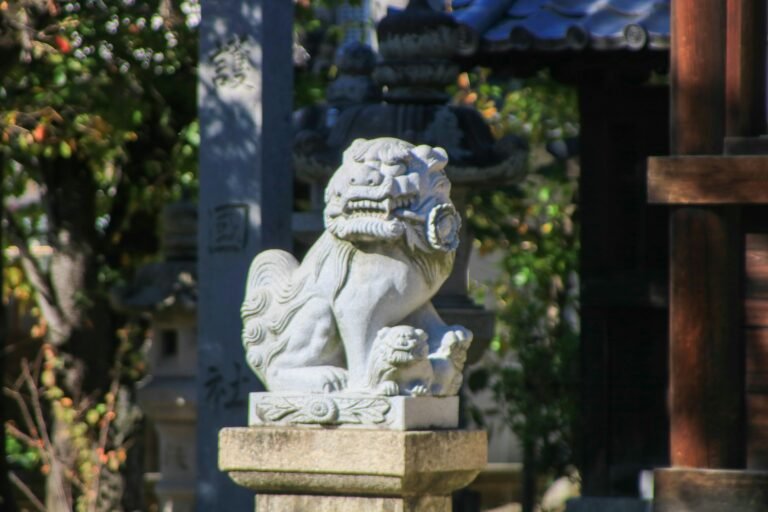
Photo by Christopher Campbell on Unsplash