Albedo is the second stage of the alchemical Great Work: the whitening, when the blackened matter of nigredo is washed until it turns pale and clean. In psychological terms it is the clarity that comes after a crisis. The storm has passed and the ruins are still there, but for the first time you can look at them calmly and begin to understand what happened.
This article explains what albedo meant in the alchemist’s laboratory and in Jungian psychology, how to recognize it in your own life and how to work with it. It also covers the tarot cards that mirror the whitening and a tarot spread for this stage. If you are still in the dark of the first stage, start with Nigredo: The Blackening Stage of Alchemy. For an overview of all four stages, see The Alchemical Stages.
What Is Albedo?
Albedo is Latin for “whiteness.” It is the second of the four stages of the Magnum Opus, after nigredo (the blackening) and before citrinitas (the yellowing) and rubedo (the reddening). Greek alchemists called it leukosis.
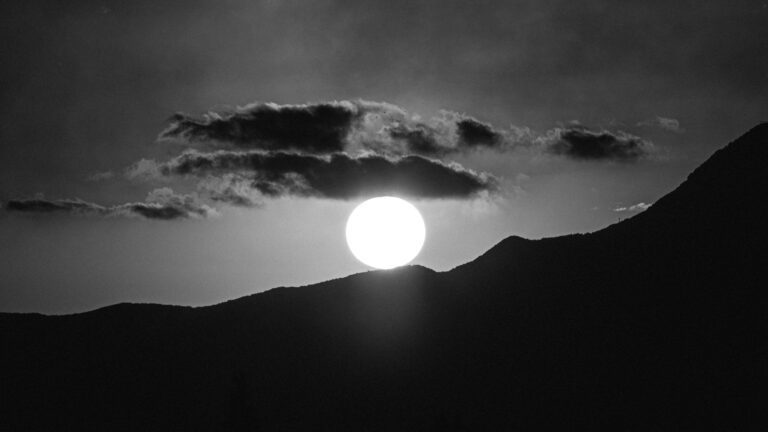
Where nigredo was night, albedo is the light of the moon: cool, quiet and reflected rather than its own. Astronomers still use the word albedo for how much light a surface reflects, which fits the alchemical image surprisingly well. The moon does not make its own light. It receives it and gives it back.
Many alchemists prized the albedo so highly that they treated it almost as a goal in itself. Its product was the white stone, said to turn base metals into silver. Jung described albedo as the daybreak of the work, with the full sunrise arriving only in rubedo.
Albedo in the Alchemist’s Laboratory
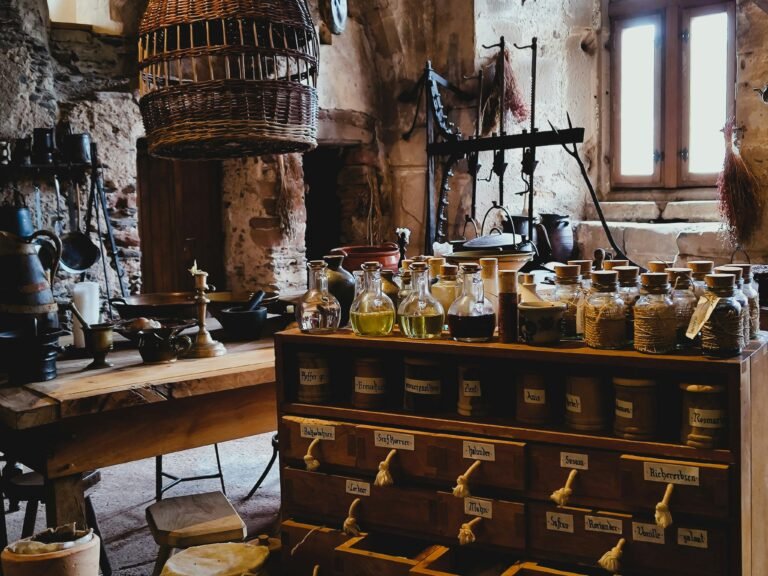
In the laboratory, albedo began where nigredo ended. The black, decomposed matter was washed again and again, a process the alchemists called ablutio, until the impurities separated out and the substance turned pale and almost luminous. An old alchemical instruction quoted by Jung puts it bluntly: whiten the latten and tear up your books. The work now depended on patient washing rather than on theory.
The washing was often pictured as dew or rain falling on a dead body in a grave. The Rosarium Philosophorum shows this moment in its woodcut of dew falling on the united king and queen in their tomb, followed by the image of the soul returning to the body.
Albedo in Psychology: Clarity After the Dark
For Jung, albedo was the stage where the contents that erupted in nigredo begin to be understood rather than merely endured. Anger, grief, shame and suppressed desire are still present, but they no longer flood everything. They can be looked at.
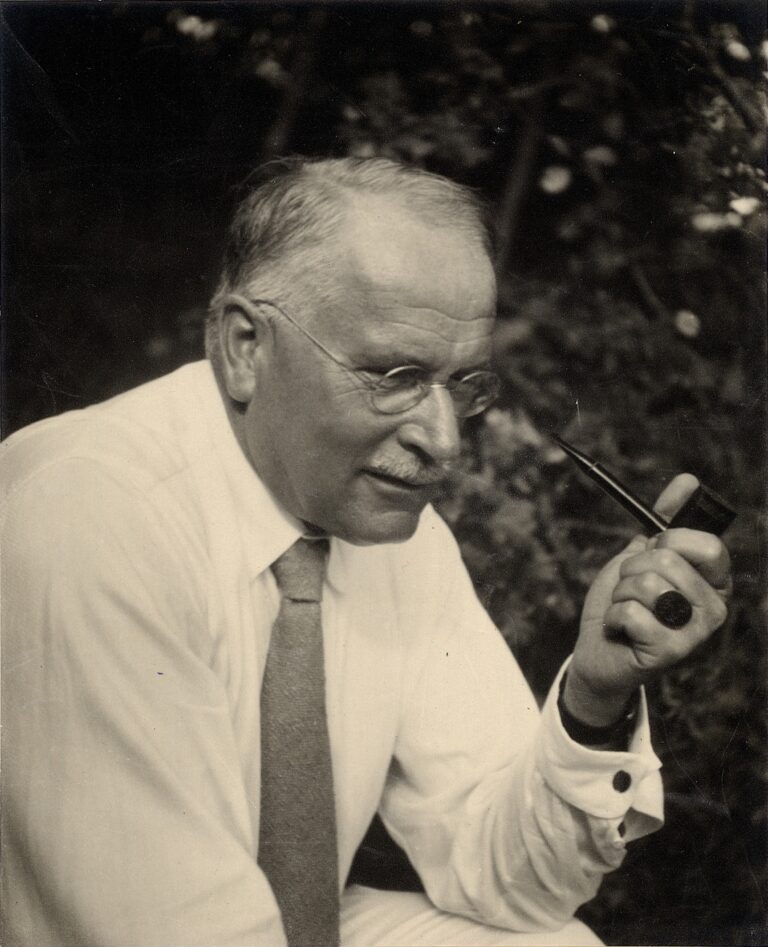
A central task of this stage is the withdrawal of projections: recognizing as your own the qualities you had seen only in other people. Jung also linked albedo with meeting the anima or animus, the inner figures that had been steering behavior from the unconscious. Marie-Louise von Franz, one of Jung’s closest collaborators, described albedo as a slow settling into calm, distance and objectivity. She also noted that alchemists considered it the hardest part of the work. Once it was done, the rest was largely a matter of keeping the fire going.
The Emerald Tablet, the founding text of Hermetic alchemy, says to separate the earth from the fire and the subtle from the gross. The Jungian analyst Edward Edinger read this as the work of albedo: separating the literal facts of an experience from its symbolic meaning. It is no longer only “this happened to me.” It is also “this is what it means.” For more on this inner work, see Alchemy and the Shadow.
Signs You May Be in Albedo
- The acute crisis has passed, even if its effects remain.
- You can talk or write about what happened without being overwhelmed.
- You want to understand, not just survive.
- You start noticing what you project onto others.
- You crave quiet, simplicity and clean spaces.
- Emotions still come, but they pass instead of taking over.
- Your dreams bring water, washing, white animals, snow or moonlight.
- Life feels calm but slightly pale, as if color has not fully returned.
How Long Does Albedo Last?
Albedo is usually quieter and slower than nigredo. It can feel uneventful from the outside, which is why people often underestimate it. It may last weeks or many months. Rushing it tends to send you back into the dark, because what has not been washed has a way of resurfacing.
How to Move Through Albedo
In albedo the work shifts from enduring to reflecting. Washing in alchemy was done again and again. Inner washing works the same way: you return to the same material until it comes clean.
Journal Prompts for Albedo
- What did the dark period take from me and what did it leave behind?
- Which quality that irritates me in others might also live in me?
- What am I still carrying that was never mine?
- What do I understand now that I could not see before?
- If my recent dreams were letters to me, what would they be saying?
Active Imagination
Jung’s own method fits albedo well. Let an image, a feeling or a dream figure come to mind and then engage it in dialogue. Write down what you ask and what it answers without censoring either. The goal is not to analyze from a distance but to let the unconscious speak while you listen. For the basics of this kind of inner work, see How to Start Shadow Work.
A Simple Albedo Ritual
Albedo belongs to the moon and the element of water, so a washing ritual fits it naturally. Monday, the moon’s day, is a traditional time for it. The night of a full moon works too.
- Fill a bowl with water and add a pinch of salt.
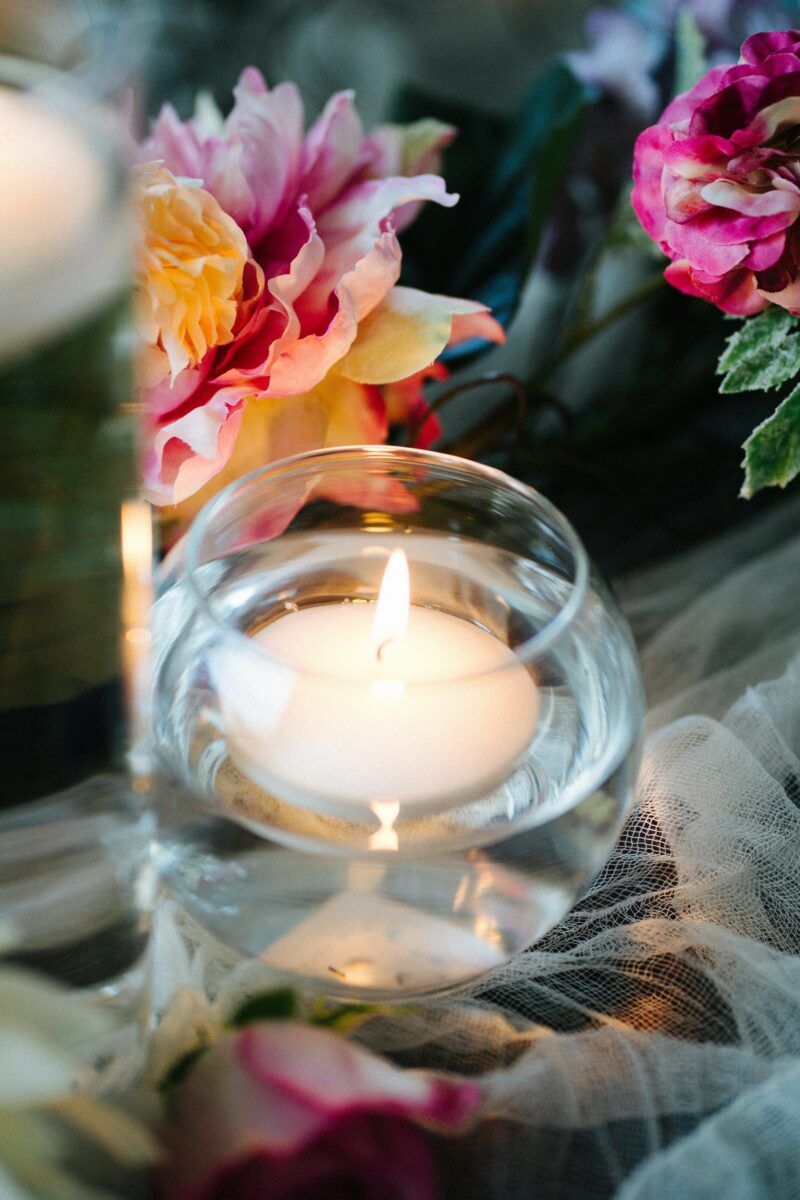
- Light a white candle.
- Write down one thing from your dark period that you now understand differently.
- Wash your hands slowly in the salt water while naming what you are ready to rinse away.
- Look at the candle’s reflection in the water for a few minutes and notice what comes to mind.
- Pour the water out onto the earth or down the drain.
The point is not to erase what happened but to clean it, so that what remains can be seen clearly. For more elemental and lunar practices, see The Art of Modern Alchemy.
Common Mistakes in Albedo
- Mistaking albedo for the end. The calm and clarity of the whitening can feel like arrival. Jung described the white state as refined but not yet fully alive, still waiting for the warmth and blood of rubedo.
- Turning detachment into coldness. Distance from your feelings helps you see them. Cutting yourself off from them is something else.
- Analyzing forever. Understanding is the purpose of albedo, but endless interpretation can become a way to avoid living.
- Forcing the next step. Big decisions and dramatic changes belong to later stages. Let the clarity settle first.
Albedo in Tarot
As with nigredo, there is no historical set of albedo cards. The pairings below are an interpretive lens that can help you recognize the stage in a reading. For all four stages in the cards, see Tarot and Alchemy.
Tarot Cards of Albedo
The Star (XVII). The clearest image of albedo. After the collapse of The Tower comes a naked figure pouring water under a night sky: hope, healing and washing all at once.
Temperance (XIV). The alchemist’s card. An angel pours liquid between two cups, blending and purifying. In Aleister Crowley’s Thoth tarot this card is called Art and depicts the alchemical work directly.
The High Priestess (II). Inner knowing and the veil between the conscious and the unconscious. In the Golden Dawn system she is ruled by the moon, the planet of albedo.
Among the Minor Arcana, the Four of Swords reflects the rest that albedo requires, the Six of Swords the passage from rough water to calmer shores and the Ace of Cups the renewed, cleansed flow of feeling.
An Albedo Tarot Spread
Use this five-card spread when the worst has passed and you want to understand what it left behind.
- What remains: what the dark period has left with me.
- What needs washing: what I still carry that is ready to be rinsed away.
- The mirror: what I see in others that belongs to me.
- The reflected light: the insight available to me now.
- The first warmth: what is ready to move toward the sun.
Lay the cards in a gentle arc like the curve of the moon. Read the third card with particular honesty, since projections are easiest to see in others and hardest to see in ourselves. The fifth card points toward the next stage, the yellowing of citrinitas.
Symbols and Correspondences of Albedo
| Correspondence | Albedo |
|---|---|
| Color | White, silver |
| Greek name | Leukosis |
| Metal | Silver |
| Planet | Moon |
| Element | Water |
| Day | Monday |
| Symbols | Moon, white dove, swan, white rose, white queen |
| Operations | Washing, separation, sublimation |
| Psychology | Reflection, withdrawing projections, dialogue with the unconscious |
| Tarot | The Star, Temperance, The High Priestess |
Signs Albedo Is Ending
- Understanding starts to turn into a wish to act.
- Warmth and energy return, not only calm.
- You want to express what you have learned, not just think about it.
- Color seems to return to everyday life.
- Your dreams bring sunrise, gold, fire or blossoming.
The alchemists saw the white matter begin to turn yellow, as if touched by the first sun. That is citrinitas, the yellowing: the forgotten stage where reflected light becomes your own.
Frequently Asked Questions
What does albedo mean in alchemy?
Albedo is Latin for “whiteness.” It is the second stage of the Great Work, when the blackened matter of nigredo is washed and purified until it turns white. Psychologically it is the clarity and reflection that follow a crisis.
What is the difference between nigredo and albedo?
Nigredo is breakdown: the old form dies and hidden material surfaces. Albedo is cleansing: that material is looked at, understood and separated from what was never yours. Nigredo is endured. Albedo is reflected upon.
What tarot cards represent albedo?
The Star, Temperance and The High Priestess are the Major Arcana most often linked with albedo. Among the Minor Arcana, the Four of Swords, the Six of Swords and the Ace of Cups reflect its rest, passage and renewed feeling. These pairings are interpretive rather than historical.
How long does albedo last?
There is no fixed length. Albedo is often quieter and slower than nigredo and can last from weeks to many months. Rushing it tends to bring unresolved material back to the surface.
Is albedo the end of the alchemical work?
No. Many alchemists prized the white stone, but the work continues through citrinitas to rubedo, where clarity becomes lived and embodied.
What comes after albedo?
Citrinitas, the yellowing, follows albedo in the four-stage model. In the three-stage model the work moves straight on to rubedo, the reddening.
Photo by Janay Peters on Unsplash