Citrinitas is the third and least known stage of the alchemical Great Work: the yellowing, when the white matter of albedo begins to glow as if lit by the first sun. In psychological terms it is the moment when insight stops being only reflected light and becomes your own. What you came to understand in the quiet of albedo starts to warm up, wake up and point toward a direction.
It is also the forgotten stage. From around the 15th century many alchemists dropped it and moved straight from white to red. This article explains what citrinitas meant, why it disappeared, how to recognize it in your own life and how to work with it. It also covers the tarot cards that mirror the yellowing and a tarot spread for this stage. For the stages before it, see Nigredo and Albedo. For an overview of all four stages, see The Alchemical Stages.
What Is Citrinitas?
Citrinitas comes from the Latin citrinus, “lemon-yellow.” Greek alchemists called the stage xanthosis. In the older four-stage model it sits between albedo (the whitening) and rubedo (the reddening).
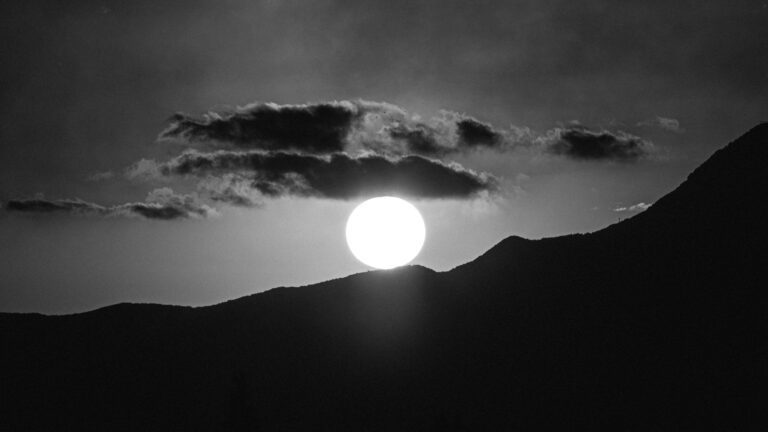
If albedo was moonlight, citrinitas is dawn. The light is no longer borrowed from somewhere else. It is the first warmth of a sun that is still low on the horizon: real, but not yet at full strength.
Why Citrinitas Was Forgotten
From around the 15th and 16th centuries, many alchemical writers compressed the four stages into three. Citrinitas was folded into rubedo. Jung noted that the yellowing gradually fell out of use.
There were practical reasons. In the laboratory the yellowing was hard to tell apart from the beginning of the reddening. Many writers simply treated it as part of rubedo. Some modern authors also suggest that a three-stage scheme suited Christian symbolism of the Trinity, though this is interpretation rather than documented fact.
In the 20th century the stage found new defenders. The archetypal psychologist James Hillman brought renewed attention to it in his essay The Yellowing of the Work and argued that it deserved a place of its own in psychological work.
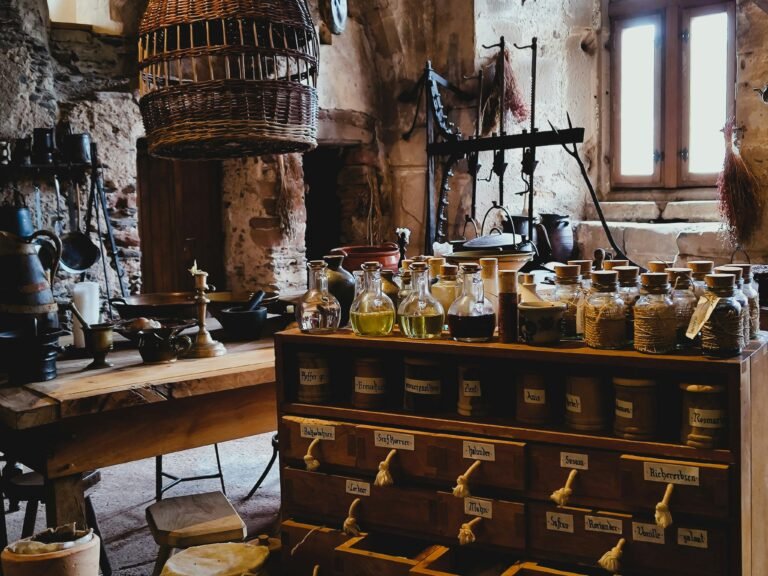
Citrinitas in the Alchemist’s Laboratory
In the laboratory, citrinitas came after the white stone had been prepared. As the heat was raised, the pale matter took on a yellow or golden tinge. To the alchemists this was the first sign of solar quality appearing in a substance that had so far been lunar. Silver was turning toward gold.
The yellowing was a threshold rather than a goal. It promised gold without being gold yet, which is one reason it was so easy to overlook.
Citrinitas in Psychology: Your Own Light
Jung paid less attention to citrinitas than to the other stages. Later writers describe it as the point where insight becomes wisdom. In albedo you understand what happened. In citrinitas that understanding begins to give direction, meaning and energy. You are no longer only reflecting. You are starting to shine.
Psychologically this is often the stage of purpose. The question shifts from “what did this teach me?” to “what do I want to do with what I now know?” Intuition sharpens, creativity returns and life starts to feel meaningful again, sometimes with a surprising sense of lightness.
The dawning light carries a risk too. Jung warned of inflation, the state in which the ego identifies with insights or energies that are larger than itself. In citrinitas it is easy to mistake the first light for enlightenment and to believe the work is done.
Signs You May Be in Citrinitas
- Energy and curiosity return, not just calm.
- What you learned in the dark starts to feel useful.
- You catch yourself making plans for the future.
- Ideas, creative impulses or a sense of calling appear.
- Meaningful coincidences seem to cluster.
- Other people notice that something in you has changed.
- You feel warmer toward life, even if you are not yet sure where it is going.
- Dreams bring sunrise, gold, yellow flowers, birds or open landscapes.
How Long Does Citrinitas Last?
Citrinitas is usually the shortest and most transitional of the stages. It can pass in a few weeks or show up as moments of clarity scattered over a longer period. Because it is brief and gentle, it is easy to miss. Noticing it is part of the work.
How to Move Through Citrinitas
In citrinitas the work shifts from reflecting to orienting. You do not need to act on everything yet. You need to let the new light show you which way to face.
Journal Prompts for Citrinitas
- What do I know now that I did not know before the dark?
- Where in my life do I feel warmth returning?
- What wants to be created, said or started through me?
- Which insight am I ready to stop only thinking about?
- What would it look like to live this, not just understand it?
A Simple Citrinitas Ritual
Citrinitas belongs to the rising sun. Sunday, the sun’s day, is a traditional time for this practice. Doing it at sunrise is even better.
- Face the morning sun or light a yellow or gold candle.
- Write down one insight from your recent inner work.
- Under it, write one small action that would bring that insight into daily life.
- Read both aloud toward the light.
- Keep the paper where you will see it each morning for a week.
- At the end of the week, notice whether you took the step.
The point is to turn reflected light into your own. For more planetary and elemental practices, see The Art of Modern Alchemy.
Common Mistakes in Citrinitas
- Mistaking dawn for noon. The first light is real but not yet full. Treating it as final arrival leads to inflation.
- Living only in ideas. Inspiration that never touches daily life fades back into white.
- Burning out on new energy. Returning vitality is precious. Spending it all at once can send you back into the dark.
- Skipping it altogether. Many people jump from understanding straight to big changes. Citrinitas is the step where you let the new direction settle in your body first.
Citrinitas in Tarot
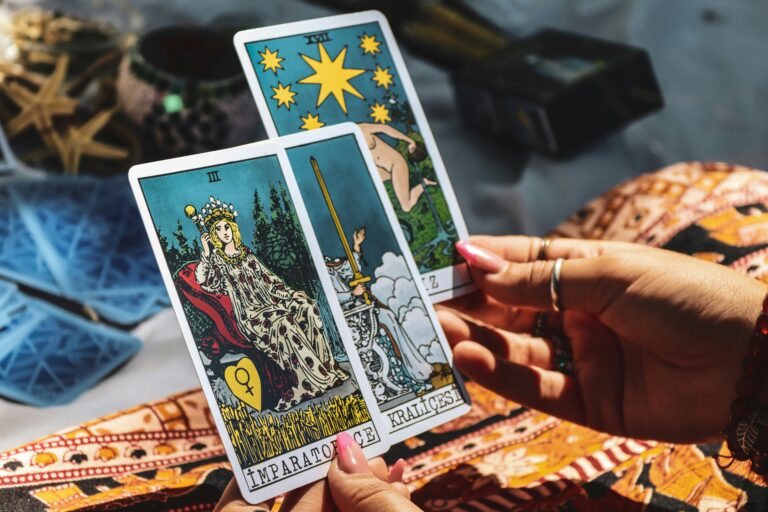
There is no historical set of citrinitas cards. The pairings below are an interpretive lens that can help you recognize the stage in a reading. For all four stages in the cards, see Tarot and Alchemy.
Tarot Cards of Citrinitas
The Sun (XIX). The clearest image of citrinitas: a child riding out under a rising sun with sunflowers behind the wall. Joy, warmth and a new beginning in full light. In the Golden Dawn system the card is ruled by the sun itself.
Strength (VIII). Inner fire held gently. A woman calmly closes the mouth of a lion, an animal long linked with the sun. In the Golden Dawn system the card belongs to Leo, the sign ruled by the sun. In citrinitas new energy returns and the task is to hold it without being carried away by it.
The Magician (I). The moment insight becomes will. With the four elements on his table, one hand raised to the sky and the other pointing to the earth, he embodies the Hermetic principle of as above, so below: turning what you understand into what you do.
Among the Minor Arcana, the Ace of Wands brings the first spark, the Three of Wands the wide view toward the future and the Page of Wands the eager, still inexperienced enthusiasm of this stage.
A Citrinitas Tarot Spread
Use this five-card spread when you sense new energy returning and want to understand where it is leading.
- The dawn: where my own light is beginning to show.
- The insight: what I have learned that is ready to be used.
- The direction: which way the new energy wants to go.
- The first step: one concrete action that brings this into daily life.
- The shadow of the light: where I might overreach or burn out.
Lay the first four cards in a rising line from bottom to top, like the sun climbing the sky. Place the fifth card below them as their shadow.
Symbols and Correspondences of Citrinitas
| Correspondence | Citrinitas |
|---|---|
| Color | Yellow, early gold |
| Greek name | Xanthosis |
| Metal | Gold in its first form |
| Planet | Sun (rising) |
| Element | Air (in modern practice) |
| Day | Sunday |
| Symbols | Rising sun, dawn, yellow flowers, young sun |
| Operations | Distillation |
| Psychology | Purpose, meaning, wisdom, inner direction |
| Tarot | The Sun, Strength, The Magician |
Signs Citrinitas Is Ending
- New direction turns into lasting commitment.
- Ideas become actions and actions become habits.
- Warmth deepens into passion.
- You feel more yourself in everyday situations, not only in moments of insight.
- Dreams bring fire, the color red, weddings or crowned figures.
The alchemists saw the yellow deepen into red. That is rubedo, the reddening: the stage where what you have learned becomes who you are.
Frequently Asked Questions
What does citrinitas mean in alchemy?
Citrinitas means “yellowness,” from the Latin for lemon-yellow. It is the third stage of the four-stage Great Work, between albedo and rubedo, when the white matter begins to turn yellow like the first light of the sun. Psychologically it is the stage where insight turns into wisdom and direction.
Why is citrinitas often left out?
From around the 15th century many alchemists compressed the work into three stages and folded citrinitas into rubedo. The yellowing was hard to distinguish in practice and was often seen as the start of the reddening.
What tarot cards represent citrinitas?
The Sun, Strength and The Magician are the Major Arcana most often linked with citrinitas. Among the Minor Arcana, the Ace of Wands, the Three of Wands and the Page of Wands reflect its spark, vision and enthusiasm. These pairings are interpretive rather than historical.
How long does citrinitas last?
Citrinitas is usually the shortest of the four stages. It may last a few weeks or appear as moments of clarity spread over a longer period.
What comes after citrinitas?
Rubedo, the reddening, is the final stage. There the new direction of citrinitas becomes embodied in how you live.